
Blooming
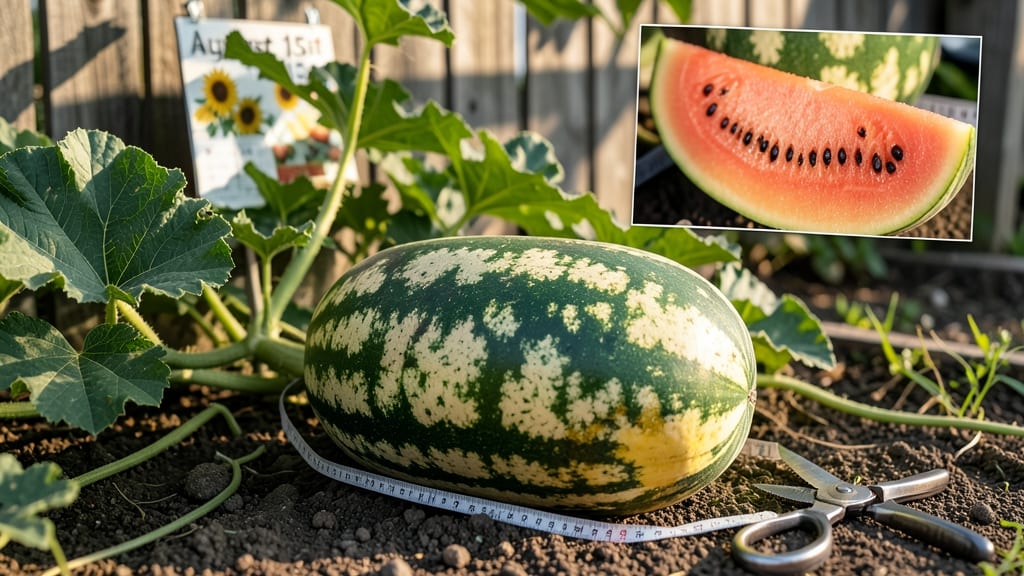
Waiting up to 7–10 days after harvesting is safe for cutting watermelons if stored at 55–65°F in a dry environment. Beyond this window, melons risk losing sweetness and developing mushy texture—while underripe ones stay rock-hard and flavorless. Always verify ripeness first using the thump test and scent check.
Watermelons continue maturing slightly after harvest, thanks to ethylene gas release that converts starches into sugars over time.
However, this process slows dramatically after 7 days, and improper storage—like exposure to heat or humidity—can accelerate spoilage. 🌱 The key is balancing patience with freshness: a properly ripened melon will yield to gentle pressure near the blossom end (the "thump test") and release a sweet, musky aroma when cut.
Store-bought melons often peak at 3–5 days after purchase, while homegrown varieties may take longer due to their fresher state.
For optimal flavor, I recommend cutting watermelons within 10 days of harvest, but never wait longer than 2 weeks—even with perfect storage. Overripe melons develop a grainy texture and fermented smell, while underripe ones lack juiciness.
Pro tip: If you're unsure, slice a small section near the center—if it's pale and seedy, the melon needs more time.
💡 In This Article
- Watermelon Ripening Science: Why Timing Matters
- Field-to-Table Ripeness Tests for Perfect Watermelon Selection
Watermelon ripening science: why timing matters
The ripening process in watermelons is driven by ethylene gas, a plant hormone that triggers the conversion of starches into sugars. After harvest, this natural sweetening continues for about 7–10 days—but only if stored at 55–65°F.
Above 70°F, enzymes that break down cell walls accelerate, causing the flesh to soften prematurely and develop a grainy texture. Below 50°F, sugar conversion slows, leaving the melon underripe and bland.
Ethylene production peaks during this window, which is why you’ll notice the sweetest flavor within 3–5 days of purchase for store-bought melons.
What’s happening at the cellular level? As ethylene levels rise, pectin in the watermelon’s cell walls degrades, making the flesh softer and juicier. However, if storage conditions are poor—like high humidity or fluctuating temperatures—the melon’s natural defenses weaken, allowing mold and bacteria to thrive.
This is why overripe watermelons develop a fermented smell (from microbial activity) and a mushy, watery texture. The ideal storage environment mimics the cool, dry conditions of a vine-ripened melon’s natural habitat.
Here’s the science behind the thump test: A ripe watermelon’s flesh has a high moisture content, so when you tap the blossom end, you’ll hear a deep, hollow sound. This indicates the seeds have fully developed and sugars have peaked.
An underripe melon sounds dull, while an overripe one may feel soft or even leak liquid when pressed. The scent test works because ripe melons release volatile compounds like hexanal and linalool, which create that unmistakable sweet, musky aroma. 🌱
Temperature isn’t the only factor—humidity plays a critical role too. Watermelons stored in 80%+ humidity develop mold within 5–7 days, while those in 50–60% humidity last up to 14 days.
This is why wrapping the melon in a breathable cloth (not plastic) helps maintain moisture balance without trapping condensation. The goal is to slow ethylene action just enough to preserve sweetness while preventing spoilage.
For homegrown watermelons, the ripening timeline can extend slightly longer because they’re harvested at peak freshness. Commercial melons, however, are often picked earlier to withstand shipping, so their ripening clock starts ticking the moment they hit store shelves.
This is why store-bought melons may only have a 3–5 day window for optimal flavor after purchase—compared to 7–10 days for homegrown varieties.