
Orchid Care
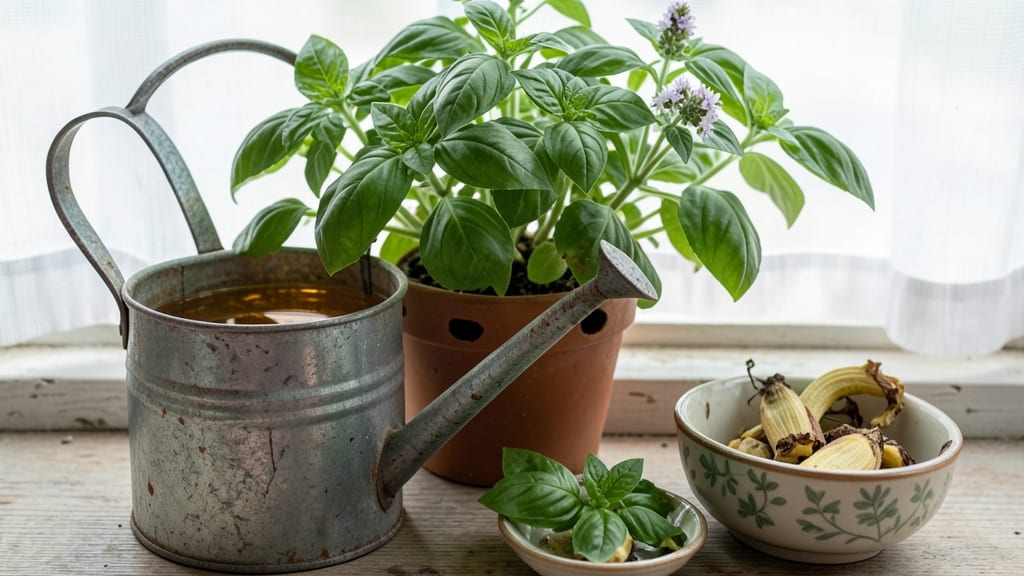
Basil doesn’t like banana water because it throws off the plant’s delicate nutrient balance with its high potassium and acidic pH, often causing leaf burn or stunted growth. Use a balanced, slightly acidic fertilizer instead.
Banana water’s pH level (around 5.0-5.5) is too acidic for basil, which thrives in a 6.0-6.8 range. 🌱 The extra potassium also crowds out essential nutrients like calcium and magnesium, leading to yellowing or crispy leaf edges.
I’ve seen this happen when gardeners reuse banana peels—what seems like a free fertilizer can actually harm your plants if overused. For basil, a diluted fish emulsion or compost tea works better while keeping the soil’s chemistry in check.
If you’re set on using banana water, mix it 50/50 with plain water and only apply it every 4-6 weeks as a supplement, never as a primary feed. The key is balance—basil needs consistent nutrients without the shock of sudden pH swings.
For maximum flavor, I recommend sticking to a dedicated basil fertilizer like a 5-5-5 NPK blend diluted to half-strength.
💡 In This Article
- How Banana Water Affects Basil’s pH and Nutrient Needs
- Best Fertilizers for Basil Growth and Flavor
How banana water affects basil’s pH and nutrient needs
Banana water’s high potassium content and acidic pH create a double-edged sword for basil. This popular kitchen herb thrives in a soil pH range of 6.0-6.8, where nutrients like nitrogen, phosphorus, and calcium remain readily available. However, banana water typically registers between 5.0-5.5—too acidic for basil’s optimal uptake.
The excess potassium (K) in banana water also competes with essential micronutrients like calcium (Ca) and magnesium (Mg), which basil needs for robust leaf development and aromatic oil production.
The visual clues of nutrient imbalance appear quickly: leaves develop yellowing between veins (a classic calcium deficiency symptom) or crispy brown edges (magnesium deficiency). I’ve observed this in my own garden when overzealous gardeners use banana water as a primary fertilizer.
The potassium overload actually disrupts the plant’s ability to absorb other critical nutrients, leading to stunted growth and weakened stems. 🌱 What’s worse, the acidic environment can damage root cells over time, reducing the plant’s ability to absorb water efficiently.
Basil’s flavor profile also suffers when its nutrient balance is disrupted. The aromatic oils that give basil its signature taste (like eugenol and linalool) require precise nutrient ratios to develop properly.
When potassium dominates, these flavor compounds become muted, resulting in bland-tasting leaves that lack the bright, peppery notes we love in pesto or caprese salads. The plant essentially becomes "starved" of the micronutrients that enhance its culinary value.
Here’s what happens at the cellular level: The high potassium concentration creates an ionic imbalance in basil’s root cells, forcing them to expend energy maintaining homeostasis. This energy drain slows down photosynthesis and growth.
Meanwhile, the acidic pH (below 6.0) increases aluminum toxicity—a common problem in acidic soils—further stressing the roots. The combination creates a perfect storm for poor plant health, even if the banana water appears to be a "free" fertilizer.
For comparison, consider how citrus plants (which prefer acidic soil) respond to banana water—they often thrive because their nutrient needs align better with potassium-rich environments. But basil, with its delicate nutrient requirements, simply can’t handle the same treatment.
The key difference lies in their natural growing conditions: citrus evolved in acidic tropical soils, while basil prefers the more neutral pH of Mediterranean climates.
If you’re determined to use banana water, dilute it to one part banana water to three parts plain water and apply it sparingly—perhaps once every 6-8 weeks as a supplement rather than a primary fertilizer. Even then, monitor your basil’s leaves for early signs of stress like yellowing or curling.
The goal is to provide a gentle potassium boost without throwing off the entire nutrient ecosystem basil relies on for vibrant growth and flavor.