
Orchid Care
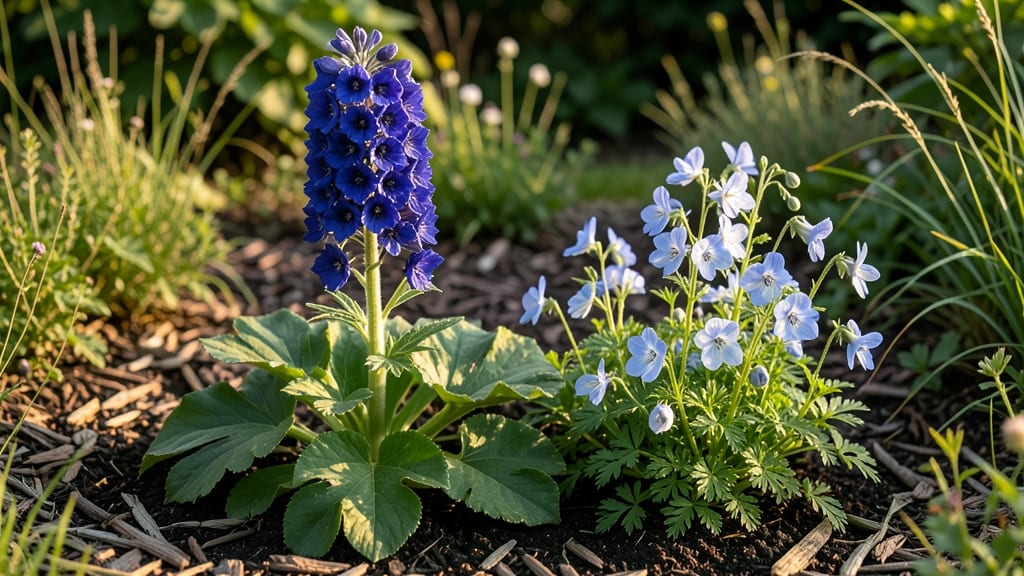
Whether delphiniums are annual or perennial depends entirely on your climate zone. These striking flowers thrive as perennials in USDA Zones 3-8 but are typically treated as annuals in colder or warmer regions where winter survival is unlikely. Their ability to return year after year hinges on frost tolerance and seasonal conditions.
Delphiniums' perennial nature stems from their deep root systems, which can withstand freezing temperatures down to -30°F in ideal conditions. 🌱 In colder zones (like 1-2) or hotter climates (9+), the plants simply can't survive winter's harshness or summer's heat stress, forcing gardeners to replant each year.
The key difference? Hardy varieties like 'Blue Bird' or 'Black Night' develop strong taproots that store energy for regrowth, while tender types bolt or die back without proper protection.
For those in marginal zones, container gardening offers a clever workaround—pots can be moved indoors during extreme weather. A thick layer of mulch (3-4 inches) also helps insulate roots, while selecting dwarf cultivars reduces exposure to wind damage.
The trade-off? Perennial delphiniums may take 2-3 years to reach full bloom size, but the payoff is years of vibrant color with minimal replanting.
💡 In This Article
- How Cold Zones Affect Delphinium Lifespan
- Growing Delphiniums as Perennials in Unfavorable Climates
How cold zones affect delphinium lifespan
Delphiniums' ability to survive winter hinges on their deep taproot system, which can extend 3-4 feet underground. This root structure acts like a natural storage unit, accumulating carbohydrates during summer to fuel regrowth in spring.
In USDA Zones 3-8, where winter temperatures rarely drop below -30°F, these roots remain dormant but viable, allowing the plant to emerge year after year. The magic happens when soil temperatures stay above 40°F—this threshold triggers root metabolism without active growth, a state botanists call "cold hardiness."
Outside these zones, the story changes dramatically. In Zone 1 (where winters dip to -50°F), even the hardiest delphinium roots can suffer irreversible damage. The frozen ground becomes a barrier, preventing root respiration—the process that keeps cells alive.
Meanwhile, in Zone 9+ (with mild winters but hot summers), delphiniums face heat stress instead.
Temperatures above 90°F for extended periods cause the plants to bolt prematurely, sending all energy into seed production rather than root storage. 🌡️ This explains why gardeners in these areas treat delphiniums as annuals—they simply can't complete their natural life cycle.
The transition between annual and perennial behavior occurs in "marginal" zones (like Zone 2 or 9). Here, success depends on microclimates and growing conditions. A sheltered spot with extra mulch might protect roots enough for survival, while exposed areas will fail.
For example, 'Pacific Giant' delphiniums—known for their 5-foot-tall spikes—can handle -20°F but need protection in Zone 2. The key metric? Soil temperature at root depth: if it stays above 32°F for most winters, perennial growth becomes possible.
Another critical factor is the plant's growth cycle timing. Delphiniums need 90-120 days of cool weather to mature properly. In warmer zones, this window shrinks, forcing the plant to rush its development. The result? Smaller root systems that can't store enough energy to survive the next winter.
This biological clock explains why delphiniums in Zone 9 often produce fewer blooms each year—they're constantly playing catch-up with their natural growth rhythm. 🌱
What most gardeners don't realize is how soil composition affects this equation. Sandy soils drain quickly, causing roots to dry out in summer, while clay soils can suffocate roots in winter. The ideal mix? Well-draining loam with 20-30% organic matter, which helps regulate moisture and temperature at root level.
This is why container-grown delphiniums often outperform in-ground plants in marginal zones—the controlled environment protects roots from both extremes.
For those pushing the limits, consider these zone-specific survival strategies: In Zone 2, plant delphiniums against south-facing walls where winter sun provides 10-15°F of extra warmth. In Zone 9, use shade cloth during summer to keep soil temps below 85°F.
These microclimate tweaks can turn annuals into quasi-perennials, extending their lifespan by 2-3 years before replanting becomes necessary.