
Vegetables
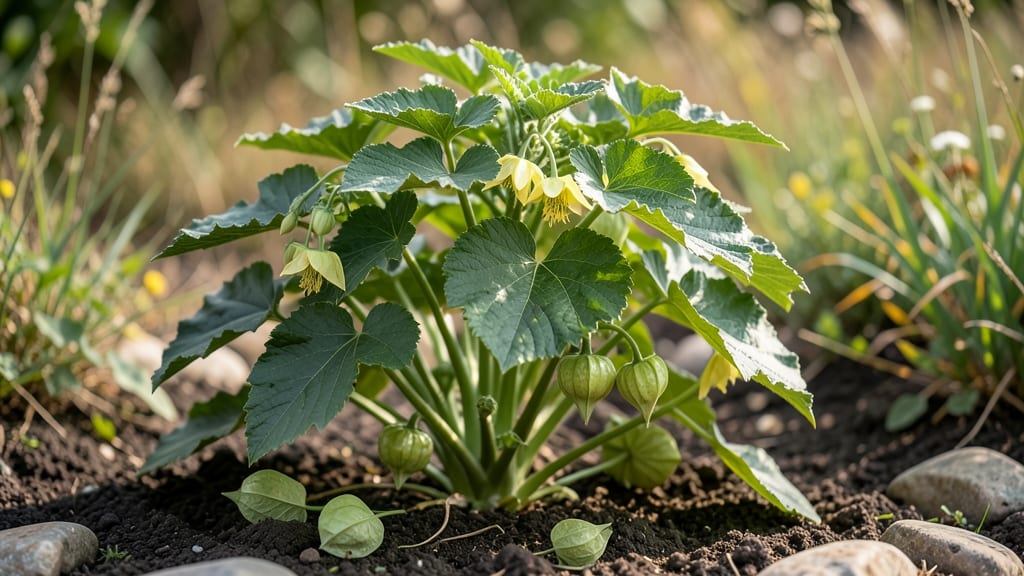
Tomatillos aren't perennial in most regions—they die back after harvest in colder climates unless grown as annuals or protected in frost-free microclimates. Only USDA zones 9-11 allow them to overwinter naturally.
Unlike hardy plants that return year after year, tomatillos are frost-sensitive annuals in most growing zones.
Their shallow root systems and tender stems can't survive freezing temperatures, which is why they typically produce one harvest before dying back. 🌱 In warmer climates like Southern California or Florida, these plants may persist through mild winters, but even there, they often decline without protection.
The key factor is winter lows—anything below 25°F will kill them back to the ground, requiring replanting each spring.
This seasonal limitation explains why gardeners in cooler zones treat tomatillos like other warm-season crops, planting fresh seeds each year. The good news? With proper protection—like moving container-grown plants indoors or using row covers—you can extend their growing season in marginal zones.
Some cold-tolerant varieties also handle light frosts better than others, making them better candidates for overwintering experiments.
💡 In This Article
- Tomatillo Cold Hardiness and Survival Zones
- Extending Tomatillo Growth Beyond One Season
Tomatillo cold hardiness and survival zones
Tomatillos belong to the nightshade family and share their frost sensitivity with relatives like tomatoes and peppers. Their shallow fibrous root systems—typically reaching only 12-18 inches deep—lack the deep anchoring and insulation found in perennial plants.
When temperatures drop below 32°F, these roots freeze solid, cutting off nutrient and water flow to the plant's tender stems and leaves. 🌡️ The real damage occurs at 25°F, where cellular structures rupture, causing irreversible damage within hours.
USDA hardiness zones provide a clear framework for understanding tomatillo survival. In zones 9-11, where winter lows rarely fall below 20°F, tomatillos can overwinter naturally, though they often decline after 2-3 years due to accumulated stress.
Zones 8 and below require protection—even a single hard frost (28°F or lower) will kill established plants back to the ground. The plant's natural response to cold is dormancy, but tomatillos lack the hardy woody stems of perennials like asparagus, making true overwintering impossible in colder regions.
What makes this particularly challenging is the plant's growth habit. Tomatillos produce new leaves and stems from the base, but these growth points are just as vulnerable to frost as the mature plant.
Unlike biennials that store energy in roots, tomatillos allocate nearly all their resources to fruit production during the growing season, leaving little reserve for cold survival. 🌱 This explains why even established plants in marginal zones (like zone 8b) often fail to regrow after winter, despite appearing healthy in fall.
Temperature thresholds aren't the only factor—soil moisture plays a critical role. Wet, freezing soil conducts cold more efficiently than dry soil, accelerating root damage. This is why gardeners in transitional zones (like zone 8a) often see better results with raised beds or containers, where soil temperatures moderate more easily.
The plant's native habitat in Mexico's highlands (where nights can drop to 40°F) suggests some genetic tolerance, but modern varieties lack the cold adaptation of their wild ancestors.
For comparison, consider how tomatoes—another nightshade—handle cold. Most tomato varieties die at 32°F, similar to tomatillos, but some cold-hardy types (like 'Cold Set') can survive brief exposures to 28°F. Tomatillos, however, show no such resilience, making them true annuals in all but the warmest climates.
Their lack of perennial adaptations explains why they're rarely found in long-term garden rotations outside zones 9-11.
Understanding these biological limits helps explain why tomatillos thrive as annuals in most gardens. Their entire life cycle—from seed to fruit—is compressed into a single growing season, with no energy diverted to winter survival structures like bulbs or rhizomes.
This focus on rapid reproduction makes them ideal for warm climates but ill-suited to cold zones where patience for perennial growth is required. 💫