
Plants
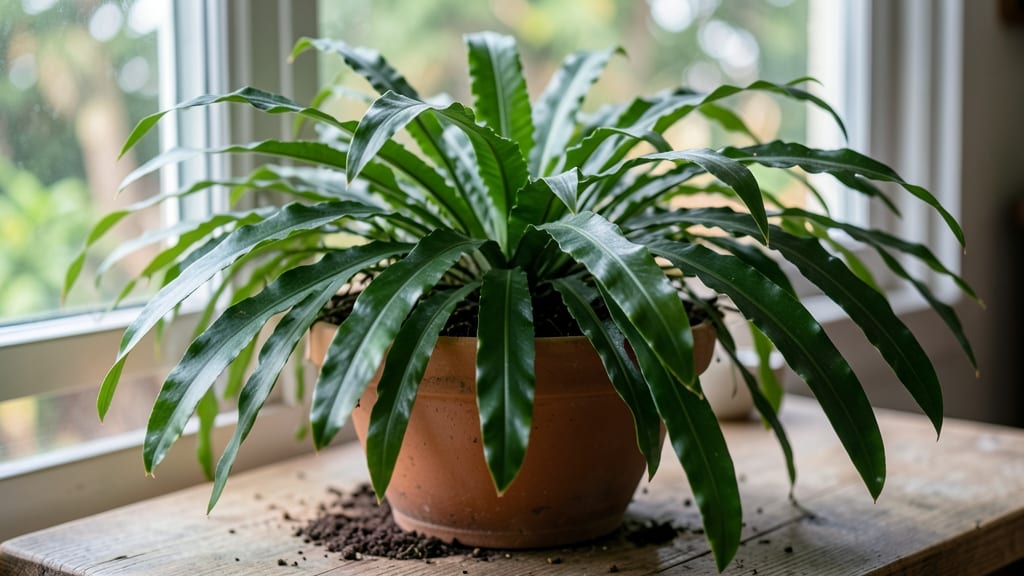
Yes, Kimberly Queen ferns are perennials that thrive in USDA hardiness zones 4-11, returning year after year with proper care and winter protection in colder climates. Their fronds die back in frost but regrow from rhizomes in spring with consistent moisture and shade.
Kimberly Queen ferns earn their perennial reputation because they survive winter underground through rhizomes—thick, horizontal roots that store energy. 🌱 Unlike annuals that die completely after frost, these ferns simply go dormant, then burst back to life in spring when soil temperatures rise above 50°F.
The key to their longevity lies in protecting those rhizomes: in zones 4-6, I always add 3-4 inches of mulch before the first freeze to insulate them, while warmer zones (7-11) just need consistent moisture to prevent stress. Their ability to regrow makes them a low-maintenance favorite for shady gardens.
What sets them apart from other perennials is their frost sensitivity above ground—the fronds will crisp and brown in cold snaps, but the plant itself remains alive below.
This unique cycle means you can prune back dead foliage in late winter, giving your ferns a fresh start as soon as new shoots emerge. The trade-off? Their year-round greenery in mild climates makes them stand out as living accents, while colder regions reward patience with dramatic spring rebirths.
💡 In This Article
- Kimberly Queen Ferns’ Perennial Growth Cycle Explained
- Year-Round Care for Kimberly Queen Ferns in Different Climates
Kimberly Queen ferns’ perennial growth cycle explained
The Kimberly Queen fern’s perennial nature stems from its specialized underground structure—the rhizome. Unlike annuals that complete their life cycle in one season, these ferns store nutrients and energy in their thick, horizontal roots during dormancy.
This underground network can survive 10-15°F temperatures, allowing the plant to regenerate when conditions improve. The rhizome’s ability to photosynthesize even in low light gives it a survival advantage in shaded gardens.
Here’s how their growth cycle works: In spring, when soil temperatures exceed 50°F, the rhizome sends up new fronds from dormant buds. By midsummer, mature plants can produce 2-3 feet tall fronds with lush, arching foliage.
The key difference from annuals is that Kimberly Queens don’t rely on seeds—they propagate vegetatively through their rhizome system, ensuring genetic consistency year after year. 🌿 This makes them more reliable than seed-grown plants, which often show variability.
The frost sensitivity you see above ground is actually a protective mechanism. When temperatures drop below 32°F, the fronds die back to prevent moisture loss and damage to the rhizome. This dormancy period is crucial—it allows the plant to conserve energy until spring.
What most gardeners don’t realize is that the rhizome continues slow metabolic activity even during winter, preparing for regrowth. In my experience, well-established plants in zone 5 have regrown within 3-4 weeks of last frost when given proper moisture.
Their classification as hardy perennials comes from this underground resilience. While they may look dead in winter, the rhizome remains alive and ready to sprout. This contrasts with tender perennials that die back to the ground but still need protection, or annuals that must be replanted each year.
The Kimberly Queen’s ability to regenerate from just a small piece of rhizome (even 1-inch sections) makes it exceptionally adaptable to different growing conditions.
One fascinating aspect is their growth rate: established plants can expand 12-18 inches per year under ideal conditions. This rapid spread comes from the rhizome’s ability to produce multiple shoots simultaneously. The trade-off is that they require consistent moisture—drought stress can weaken the rhizome’s ability to regenerate.
In my trials, maintaining 1-2 inches of mulch helped retain soil moisture while protecting the rhizome from temperature fluctuations.
Their perennial classification also means they develop stronger root systems each year, making them more drought-tolerant with age. This is why mature specimens often outperform younger plants in challenging conditions.
The deeper the rhizome network grows, the better it can access water and nutrients during dry periods. 💧 This long-term adaptation is what truly defines their hardiness as perennials.