
Light Requirements
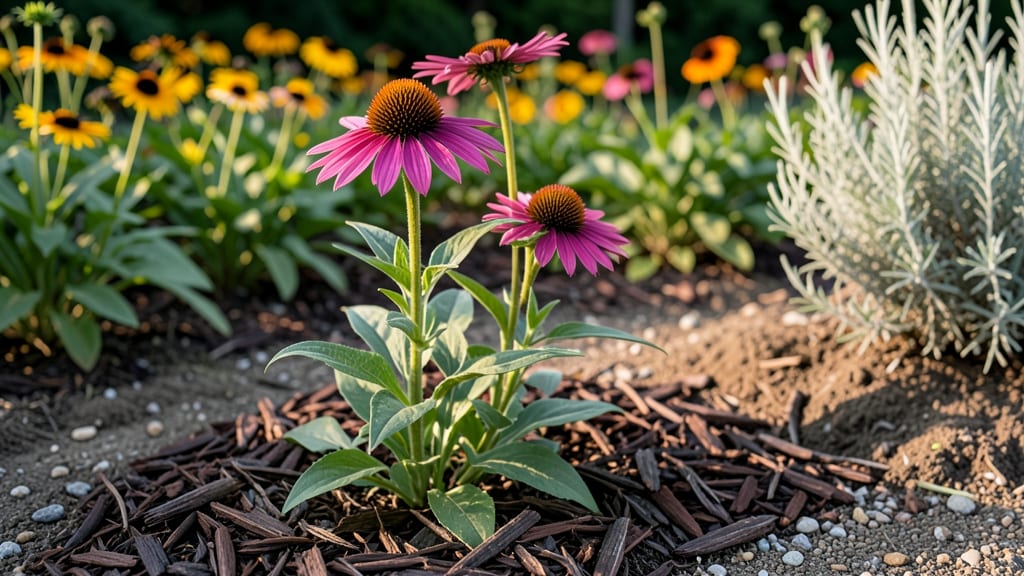
Zone 4's full sun perennials prove that cold winters don't mean dull summers. 🌻 I've grown these tough plants through brutal winters and scorching summers, and they keep coming back stronger every year. The key is choosing varieties that handle both extremes—freezing nights and blazing afternoons—without wilting or giving up.
These perennials need well-draining soil and consistent watering during their first season, but once established, many handle drought like champions. Think coneflowers that dance in late summer, Russian sage with its lavender spikes, and sedum that turns into a ruby carpet in fall.
They're the workhorses of the sunny garden, asking for little but giving back with color and pollinators all season long. By late June, your garden will burst with blooms that last until frost, and the best part? These plants multiply over time, giving you free plants to share with neighbors.
The secret is proper spacing—give them room to breathe—and a little mulch to protect roots when winter arrives. Perfect for prairie-style gardens, cottage borders, or even container arrangements. Let's get these cold-hardy beauties thriving in your sunniest spot!
📚 In This Guide
- What you need
- Instructions
- Tips and common mistakes
- Wrapping up and next steps
What you need
- ● Perennials: Choose Zone 4 hardy full-sun varieties like Coneflower (Echinacea), Black-Eyed Susan (Rudbeckia), Daylily (Hemerocallis), or Russian Sage (Perovskia). Buy 3–5 plants per variety for a balanced look.
- ● Well-draining soil: 50 lbs of compost or aged manure (mix into top 12 inches of soil) to improve fertility and drainage.
- ● Mulch: 2–3 cubic feet of organic mulch (straw, shredded bark, or wood chips) to retain moisture and protect roots in winter.
- ● Garden gloves & trowel: A pair of durable gloves and a stainless-steel trowel for planting.
- ● Watering can or hose: With a gentle spray nozzle for even moisture distribution.
- ● Stakes or plant supports: 6–12 stakes (4–6 ft tall) for taller perennials like Russian Sage or Bee Balm.
- ● Slow-release fertilizer: 10–20 lbs of balanced 10-10-10 or organic fertilizer (apply in early spring).
- ● Pruning shears: Bypass pruners for clean cuts and deadheading.
- ● Drip irrigation system: Automates watering and saves time (especially useful in hot Zone 4 summers).
- ● Plant labels: Waterproof tags to track varieties and planting dates.
- ● Winter protection: Burlap or frost cloth for tender perennials during extreme cold snaps.
How to select and plant Zone 4 perennials for full-sun gardens
Here's the straightforward approach I use to pick and establish hardy perennials that thrive in Zone 4's full sun.
🌱 Step 1: Choose the Right Cold-Resilient Varieties
Focus on perennials with proven Zone 4 hardiness like coneflowers, black-eyed Susans, and Russian sage. These plants handle winter temperatures down to -20°F without extra protection. I always check the USDA Plant Hardiness Zone map for each variety—some labeled "Zone 4" may still struggle in your microclimate if winters run colder.
Look for plants with deep root systems and waxy foliage—both traits help them survive freezing temperatures. Avoid delicate perennials like tender daylilies unless you have a protected microclimate. I like to group plants by their bloom times to ensure continuous color from early spring through fall.
☀️ Step 2: Prepare the Full-Sun Planting Site
Full sun means at least 6 hours of direct sunlight daily, but Zone 4 perennials often appreciate afternoon shade in hot summers. Test your site by placing a white board where you plan to plant—if it gets hot enough to burn your hand in summer, you may need afternoon shade for heat-sensitive varieties.
Amend the soil with 2-3 inches of compost before planting to improve drainage and fertility. Zone 4 soil can compact easily, so I add a handful of perlite or coarse sand if the native soil is heavy clay. Test your soil pH—most full-sun perennials prefer neutral to slightly alkaline soil (6.0-7.5).
🪴 Step 3: Plant at the Correct Depth and Spacing
Dig holes twice as wide as the root ball but only as deep as the container's root base. Planting too deep can suffocate roots, while shallow planting exposes them to temperature swings. I always remove plants from their containers and loosen any circling roots before placing them in the hole.
Space perennials according to their mature size—18-24 inches apart for most full-sun varieties. Crowding leads to poor air circulation, which invites fungal diseases. After planting, water deeply to settle the soil and eliminate air pockets around the roots.
💧 Step 4: Establish a Watering Routine for the First Season
Water newly planted perennials deeply once a week during the first growing season, providing 1-1.5 inches of water per session. In Zone 4's dry summers, you may need to water more frequently, but always let the top 2 inches of soil dry out between waterings to prevent root rot.
I use drip irrigation or soaker hoses for new plantings to deliver water directly to the root zone. Avoid overhead watering, which can spread disease and waste water through evaporation. Mulch with 2-3 inches of organic mulch (like shredded bark) to retain moisture and protect roots from temperature extremes.
✂️ Step 5: Maintain Through Winter and Early Spring
Leave dead foliage on perennials through winter—it insulates roots and protects against early spring freezes. In late winter, cut back brown stems to 2-3 inches above the ground once new growth appears. This encourages fresh, vigorous growth and prevents disease buildup.
Apply a 2-inch layer of mulch in early spring to retain soil moisture as plants emerge. Zone 4 perennials often face late frosts, so I monitor weather forecasts and cover tender new growth with frost cloth if a freeze is predicted. Fertilize lightly in early spring with a balanced, slow-release fertilizer to support new growth.
Tips & tricks for perfect Zone 4 perennial gardens
Here's what I've learned after years of growing tough, beautiful perennials in my own Zone 4 garden.
Cold-Hardiness Reality Check: Just because a plant is labeled "Zone 4" doesn't mean it'll survive your specific microclimate. I've had coneflowers thrive in my front yard (-18°F winters) while the same variety struggled in my back yard where cold air pools. Always check your specific winter lows—some Zone 4 plants need winter protection if your area dips below -20°F. The USDA map gives averages, but your microclimate might be colder.
Soil Prep Secret: That 2-3 inches of compost in Step 2 is non-negotiable for Zone 4 gardens. Our native soil often compacts easily, and perennials need good drainage to survive winter freezes. I mix in a handful of perlite or coarse sand if my soil feels heavy—this creates tiny air pockets that prevent waterlogging. For clay-heavy soils, I add extra compost (up to 4 inches) to improve structure over time. Think of it as giving your plants a cozy winter blanket.
Planting Depth Visual: When you're planting in Step 3, imagine the root ball sitting at the same level it was in its container. If you plant too deep, roots suffocate; too shallow, and they freeze. I use a pencil to mark the depth on the container before removing the plant, then match that level in the hole. For bare-root plants, look for the "crown" (where roots meet stems) and plant just below soil level.
Watering Hack: That 1-1.5 inches of water per week in Step 4 is a guideline, but Zone 4 summers can be deceivingly dry. I test soil moisture by sticking my finger 2 inches down—if it's dry, water deeply. Morning watering prevents evaporation, and drip irrigation delivers water right to the roots where it's needed. The mulch layer (2-3 inches) acts like a moisture sponge, keeping roots consistently hydrated without overwatering.
Pro Tips for Zone 4 Perennials Full Sun
- Here's what I've learned after years of growing tough, beautiful perennials in my own Zone 4 garden.
- Cold-Hardiness Reality Check: Just because a plant is labeled "Zone 4" doesn't mean it'll survive your specific microclimate.
- Soil Prep Secret: That 2-3 inches of compost in Step 2 is non-negotiable for Zone 4 gardens.
Frequently asked questions
Got questions about thriving perennials in Zone 4’s full sun? You’re not alone! Here are answers to the most common concerns—so you can garden with confidence.
What are the hardiest perennials for Zone 4 full sun?
Top picks like coneflowers (Echinacea), black-eyed Susans (Rudbeckia), daylilies (Hemerocallis), and Russian sage (Perovskia) handle cold snaps and blazing sun. Look for USDA Zone 3-4 labels—these toughies bounce back every spring with minimal fuss.
When is the best time to plant perennials in Zone 4?
Plant in early spring (April–May) or early fall (September–October) for established roots before winter. Avoid late summer—heat stress weakens young plants. Pro tip: Water deeply after planting and mulch to protect roots from freeze-thaw cycles.
How do I prevent perennials from dying in extreme Zone 4 winters?
Mulch heavily (3–4 inches of straw or shredded leaves) after the first frost to insulate roots. Group plants in clumps for shared warmth, and avoid overwatering before winter. Bonus: Evergreens like sedum or heuchera add year-round interest!
Can I grow vegetables alongside full-sun perennials in Zone 4?
Pair perennials with cold-hardy veggies like kale, spinach, or Swiss chard in spring/fall. Use raised beds for better drainage, and rotate crops annually to avoid soil depletion. Warning: Avoid planting tomatoes or peppers near perennials—they compete for nutrients.
Why are my Zone 4 perennials wilting despite full sun?
Overwatering or poor drainage are likely culprits. Check soil moisture—1 inch per week is ideal. If leaves turn yellow, it may be root rot (fix with gritty soil amendments). Sunburn (brown patches) means gradual acclimation is needed—start with morning sun before full exposure.
Still stumped? Drop your specific perennial + issue below—we’ve got you covered!
Wrapping up and next steps
Choosing the right Zone 4 perennials for full sun means your garden can thrive year after year—even through harsh winters! From hardy coneflowers to vibrant daylilies, these plants bring color, texture, and resilience to your landscape.
With the right prep, soil care, and a little patience, you’ll enjoy a low-maintenance, stunning garden that keeps coming back stronger.
Ready to get started? Sketch your garden layout, pick your top 3-5 perennials, and plant them this season! 🌱✨ Your future self (and pollinators) will thank you!