
Planting
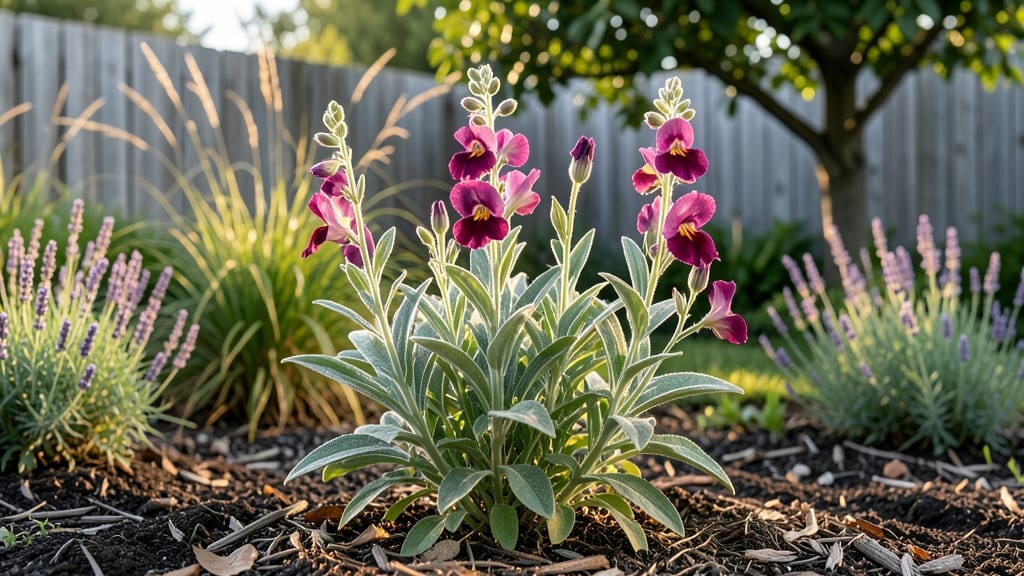
Snapdragon plants can be perennial in suitable climates, typically returning for 2-3 years with proper care. Hardy varieties like Antirrhinum majus survive mild winters by regrowing from roots, while tropical types often die back annually. Regular deadheading extends their lifespan and encourages repeat blooms.
Whether your snapdragons return depends on your growing zone and variety—most thrive as short-lived perennials in USDA zones 7-10. 🌱 The key difference lies in their root systems: hardy types develop deep roots that withstand frost, while tender varieties need winter protection.
I've seen snapdragons in zone 8 bounce back for three seasons with minimal care, but even they need a fall cleanup to prep for winter.
What really makes them perennial is consistent care—mulching in late fall and avoiding heavy pruning keeps roots healthy. Tropical snapdragons, however, act more like annuals unless you bring them indoors during cold months.
The secret to extending their life? Cutting back spent blooms and fertilizing lightly in spring—this tells the plant to focus on new growth instead of seed production.
💡 In This Article
- Climate and Cultivar Factors for Snapdragon Perennials
- Year-Round Care to Maximize Snapdragon Survival
Climate and cultivar factors for snapdragon perennials
The snapdragon's perennial behavior hinges on two critical factors: your USDA hardiness zone and the specific cultivar you're growing. Most Antirrhinum majus varieties thrive as perennials in zones 7-10, where winter temperatures rarely drop below 10°F.
These hardy types develop deep, fibrous root systems that can survive light frosts by entering dormancy—similar to how peonies overwinter. The roots store energy in the form of starches, which fuel regrowth when temperatures rise in spring. 🌿
Cold tolerance varies dramatically between cultivars. For instance, 'Liberty Hybrid' series snapdragons are bred for zone 6-10 hardiness, while tropical varieties like 'Sunset' typically die back to the ground in zone 7 or colder.
The difference comes down to their genetic adaptation: northern-bred snapdragons have thicker root crowns and higher sugar content in their tissues, which acts like antifreeze. This is why you'll often see gardeners in zone 8 reporting 3-year returns, while those in zone 5 treat them as annuals.
Growth cycles play a surprising role too. Most snapdragons follow a biennial pattern in their first year—focusing on root and foliage development—before flowering in their second year. This two-year cycle explains why many gardeners assume snapdragons are annuals: they often bloom heavily one season, then decline.
However, with proper care, the roots can persist for multiple years, producing new shoots each spring. The key is maintaining healthy roots through winter, which requires 3-4 inches of mulch and avoiding soil disturbance.
Root structure makes all the difference in survival. Perennial snapdragons develop a taproot system that can reach 12-18 inches deep, while annual types stay shallow. This deep rooting allows them to access moisture and nutrients below the frost line.
In contrast, tropical snapdragons have more delicate, shallow roots that freeze easily. The solution? Choose cultivars labeled "hardy" or "perennial" and plant them in well-draining soil with added compost to strengthen root development. 🌱
Don't overlook the role of day length either. Snapdragons are short-day plants, meaning they flower in response to decreasing daylight hours. In northern climates, this natural flowering trigger coincides with fall, while southern gardeners may need to provide shade during summer to encourage blooming.
This physiological response affects their energy reserves—plants that bloom too early may exhaust their resources before winter, reducing their chances of returning the next year.
For the best results, select varieties like 'Rocket' or 'Matrix' series, which are specifically bred for cold tolerance. These cultivars often come with labels indicating their hardiness zone, making selection much easier. The payoff?
With the right variety and care, you can enjoy snapdragons returning for 3-5 years, rather than treating them as annuals every season. The secret lies in matching the plant's natural growing habits to your local climate conditions. 💫