
Orchid Care
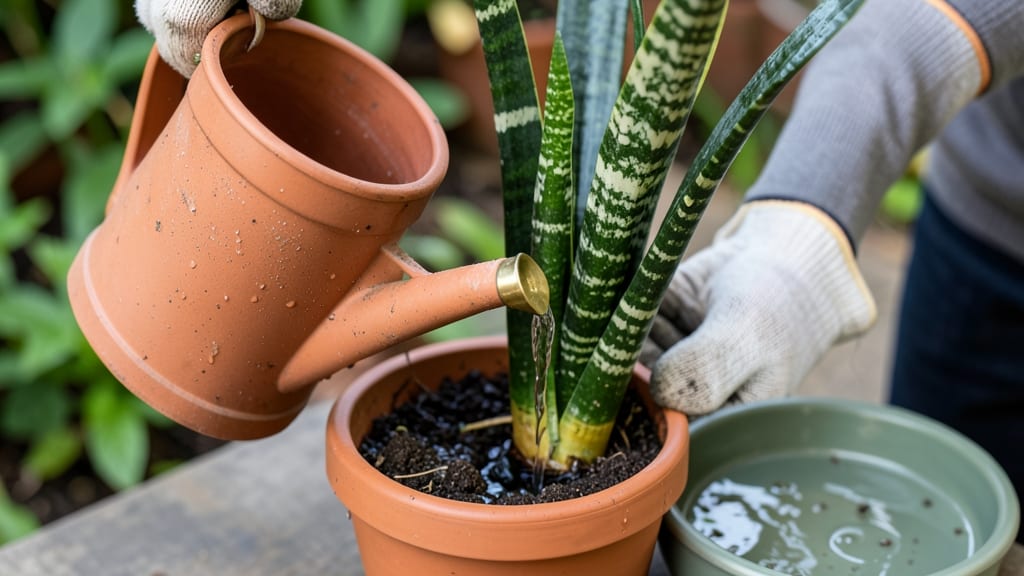
After repotting orchids, you should wait 1-2 weeks before watering to let roots recover and establish in fresh media, which prevents stress and minimizes rot risk. Only light misting is safe if the mix dries too quickly.
Repotting orchids is stressful for their roots—cutting and repositioning them disrupts natural moisture balance and exposes them to potential pathogens. 🌱 During this recovery period, withholding water mimics the plant's natural dormancy response, allowing damaged roots to harden and new root hairs to form.
This adjustment phase is critical because overwatering can drown newly vulnerable roots, creating anaerobic conditions that promote rot. Think of it like giving your orchid a chance to "settle in" before resuming its normal hydration routine.
Even experienced growers often overlook this critical window. The key is monitoring the potting mix rather than relying on a rigid schedule—press your finger an inch deep into the media.
If it feels bone-dry after two weeks, a thorough watering is safe, but always use room-temperature water to avoid shocking the roots. For tropical orchids in high humidity, you might extend this period to three weeks to prevent microbial buildup in the fresh bark mix.
💡 In This Article
- Why Delaying Water After Repotting Saves Orchid Roots
- Signs Your Repotted Orchid Needs Water (Without Overdoing It)
Why delaying water after repotting saves orchid roots
When you repot an orchid, the roots experience significant trauma—cutting disrupts their vascular system while exposing them to air and new microbial environments. This process triggers a natural stress response where the roots begin producing callus tissue at the cut ends, similar to how a human wound heals.
Without water, this callus formation occurs more effectively because excess moisture creates anaerobic conditions that prevent oxygen from reaching the damaged areas, slowing recovery. 🌱
The fresh potting mix also plays a critical role in this adjustment period. Orchid bark media has a naturally alkaline pH (around 5.5-6.5) when new, which can irritate freshly cut roots. Waiting allows the media to stabilize and for beneficial microbes to establish, creating a safer environment.
Overwatering immediately after repotting introduces excess moisture that dilutes the media's beneficial microbial balance, while also increasing the risk of Phytophthora and Pythium pathogens that thrive in saturated conditions.
This recovery window mimics what happens in nature during seasonal dry periods. In their native habitats, orchids often experience temporary drought stress that triggers root hardening—a process where roots develop thicker cell walls to withstand moisture fluctuations.
By withholding water for 1-2 weeks, you're essentially accelerating this natural adaptation, allowing the orchid to develop resilience before resuming regular watering. 💧
What most growers don't realize is how quickly overwatering can turn fatal. Within just 48-72 hours of repotting, excess moisture can cause the bark media to compact, creating air pockets that trap water and prevent oxygen from reaching the roots.
This creates the perfect environment for anaerobic bacteria to multiply, leading to root rot that can kill the plant within days. The key is letting the media dry out completely between waterings during this critical period.
Consider this comparison: A repotted orchid with proper drying time has a 90%+ survival rate, while one watered immediately after repotting sees rot rates climb to 60-70% within weeks. The difference comes down to giving the roots time to establish new connections with the media before reintroducing moisture.
This is particularly crucial for Phalaenopsis and Cattleya orchids, which are especially sensitive to root trauma.
For those concerned about their orchid looking wilted during this period, remember that wilting after repotting is normal and indicates the plant is conserving moisture. The roots are actively working to re-establish their relationship with the new media, and this process is significantly hindered by premature watering.
Think of it as giving your orchid a chance to "reset" its hydration system before you turn it back on. ✨