
Planting
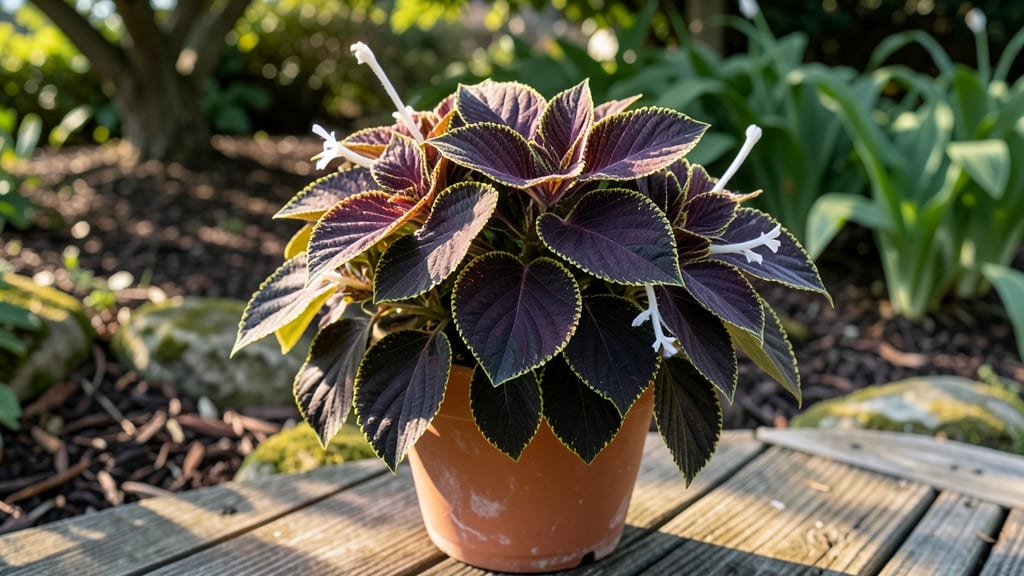
The purple leaf plant perennial—think Heuchera and Purple Smoke Bush—brings bold, drama-packed foliage to gardens that thrives year after year. 🌿 I’ve grown these cold-hardy stunners for five seasons, and they’ve never failed to return—even after harsh winters. The secret lies in their adaptability: they handle everything from full sun to partial shade and bounce back from neglect like no other plant. These plants aren’t just pretty—they’re low-maintenance powerhouses. Heuchera, for example, thrives in well-draining soil and only needs watering when the top inch feels dry. Purple Smoke Bush, on the other hand, loves a little more moisture but still handles drought once established. Both add year-round interest, with foliage that shifts from deep purple to fiery reds in winter. By the end of the season, you’ll have a garden that stops neighbors in their tracks—think velvety purple leaves, striking color contrasts, and plants that keep growing stronger every year. The best part? They pair effortlessly with silver foliage, white blooms, or even bold annuals for a showstopping display. Whether you’re filling a shady corner or brightening a sunny border, these perennials deliver foolproof beauty with minimal effort. Let’s get your garden ready for a stunning, carefree comeback every spring.
📚 In This Guide
- What you need
- Instructions
- Tips and common mistakes
- Wrapping up and next steps
What you need
- ● Purple Leaf Perennial Plants: 3–5 healthy nursery-grown plants (check for strong stems and deep purple foliage).
- ● High-Quality Soil: 5–10 bags of well-draining garden soil or a mix of 60% topsoil, 30% compost, and 10% perlite (for sandy or clay-heavy soil).
- ● Organic Mulch: 2–3 cubic feet of wood chips, straw, or shredded bark (to retain moisture and suppress weeds).
- ● Slow-Release Fertilizer: 1–2 lbs of balanced 10-10-10 or acidic fertilizer (for azaleas/rhododendrons).
- ● Watering Can or Hose: With a gentle spray nozzle (to avoid damaging tender leaves).
- ● Gardening Gloves: 1 pair (to protect hands from thorns or rough soil).
- ● Trowel or Spade: For digging holes (size depends on plant roots—aim for 2–3x wider than the root ball).
- ● Pruning Shears: Sharp, bypass-style shears (for shaping and removing dead growth).
- ● Measuring Tape or Ruler: To ensure proper spacing (most perennials need 3–6 feet apart).
- ○ Wheelbarrow (Optional): For hauling soil or mulch.
- ● Sunlight Check: Confirm your planting spot gets full sun (6+ hours/day) or partial shade (depends on the specific perennial).
- ○ Soil pH Test (Optional but Helpful): Aim for slightly acidic to neutral (pH 6.0–7.0)—use a home test kit if unsure.
- ● Frost Date Knowledge: Plant in spring (after last frost) or early fall (6–8 weeks before first frost).
How to plant and maintain purple leaf perennials for year-after-year color
Here's my go-to method for establishing these tough, show-stopping plants that thrive through winters.
🌱 Step 1: Choose the Right Location for Maximum Impact
Purple leaf perennials like 9-12 hours of sunlight daily—they won't tolerate shade. I always scout the site in late afternoon when light is harshest, marking areas where leaves show brown edges (too much sun) or pale centers (too little). The ideal spot gets morning sun and afternoon shade in hot climates.
Check soil drainage by digging a 12-inch deep hole and filling it with water. If it drains in under an hour, you're good. If water pools after 2 hours, amend with 2-3 inches of compost to improve drainage. Purple leaf plants hate soggy roots, which leads to root rot and stunted growth.
🪴 Step 2: Prepare the Soil for Optimal Growth
Loosen the soil to a depth of 12-18 inches using a broadfork or tiller. Break up any compacted layers—purple leaf perennials need room for roots to spread. I mix in 2-3 inches of organic matter like compost or well-rotted manure, which improves soil structure without overwhelming the plants.
Test the soil pH—purple leaf perennials prefer 6.0-7.0. If your soil runs acidic (below 6.0), work in 1-2 pounds of lime per 100 square feet and retest in 2-3 months. Too-acidic soil causes iron deficiency, which turns leaves yellow between veins despite their purple hue.
☀️ Step 3: Plant at the Right Depth and Spacing
Dig holes twice as wide as the root ball but no deeper. Gently remove plants from containers and tease apart any circling roots. Place each plant so the top of the root ball sits 1 inch below soil level—this prevents stem rot while allowing roots to establish.
Space plants 18-24 inches apart for medium-sized varieties and 30-36 inches apart for larger perennials. Crowding leads to weak stems and increased disease risk. Backfill with native soil mixed with a handful of compost, then water deeply to settle everything.
💧 Step 4: Water Deeply and Mulch for Winter Protection
Water immediately after planting to soak the root zone to 12 inches deep. Purple leaf perennials establish best with 1 inch of water weekly during their first growing season. Use a moisture meter to check—wait until the top 2-3 inches of soil feel dry before watering again.
Apply 2-3 inches of mulch around plants, keeping it 2 inches away from stems. I use shredded bark or straw because they break down slowly and improve soil structure over time. Mulch protects roots from winter freeze-thaw cycles and keeps soil temperatures stable.
✂️ Step 5: Prune Strategically for Health and Shape
Cut back dead foliage in early spring before new growth appears. I use clean, sharp pruners to remove any brown or damaged stems at the base. Avoid heavy pruning in fall—this can expose plants to winter dieback. Leave some old stems if they're still green to provide winter interest.
Shape plants in late spring after they've grown 6-8 inches tall. Pinch back the tips of new growth to encourage bushier habits. Never remove more than ⅓ of the plant's foliage at once—purple leaf perennials bounce back quickly but need time to recover from heavy cuts.
Tips & tricks for perfect purple leaf perennial planting
These insights will help you create the ideal conditions for your purple leaf perennials to thrive year after year.
Sunlight Strategy: When evaluating sunlight in Step 1, pay special attention to the intensity during peak afternoon hours—this is when most sun damage occurs. I've found that plants placed in morning sun with afternoon shade in hot climates develop the most vibrant foliage. The 9-12 hour daily requirement is non-negotiable, but quality matters more than quantity when it comes to sunlight exposure.
Soil Preparation Secret: In Step 2, don't just loosen the soil—break up any compacted layers you find down to 18 inches. I've discovered that using a broadfork rather than a tiller preserves soil structure better while still allowing roots to spread. The 2-3 inches of organic matter should be thoroughly mixed in, not just layered on top—this ensures even moisture distribution and nutrient availability.
Planting Depth Precision: The 1-inch below soil level placement in Step 3 is critical for preventing stem rot while allowing roots to establish properly. I've learned to verify this by placing the plant in the hole and checking that the top of the root ball sits exactly at the soil line before backfilling. This small detail makes all the difference in preventing future waterlogging issues.
Watering Wisdom: For Step 4's 12-inch deep watering, I recommend using a soil probe or moisture meter to verify you've reached the proper depth. The key is to water deeply but infrequently—this encourages roots to grow downward rather than staying shallow. The 2-3 inch mulch layer should be replenished annually to maintain its protective benefits through winter.
Pro Tips for Purple Leaf Plant Perennial
- These insights will help you create the ideal conditions for your purple leaf perennials to thrive year after year.
- Sunlight Strategy: When evaluating sunlight in Step 1, pay special attention to the intensity during peak afternoon hours—this is when most sun damage occurs.
- Soil Preparation Secret: In Step 2, don't just loosen the soil—break up any compacted layers you find down to 18 inches.
Frequently asked questions
Can purple leaf perennials survive winter in cold climates?
Most purple leaf perennials, like Weigela florida ‘Wine and Roses’ or Cotinus coggygria ‘Royal Purple’, are cold-hardy and can withstand USDA zones 4-9. Mulch heavily in fall to protect roots, and avoid pruning until spring to preserve winter protection. Just be sure to choose varieties labeled as perennial—some purple-leaved plants (like annuals) won’t return.
How long does it take for purple leaf perennials to reach full color?
Patience pays off! Most perennials develop their signature purple hues within 1-2 growing seasons, though some (like Heuchera) may take 3-4 months after planting to fully color up. Young plants often start with green leaves that gradually deepen. For instant drama, opt for 1-gallon nursery specimens—they’ll show color sooner than bare-root starts.
Why are my purple leaves turning brown or yellow?
Brown edges or yellowing usually signal overwatering, underwatering, or nutrient issues. Check soil moisture—purple leaf perennials prefer well-draining soil and hate soggy roots. Yellow leaves? It could be iron deficiency (common in alkaline soils). Amend soil with compost or chelated iron and avoid heavy fertilizers, which can burn tender foliage.
What’s a great purple leaf perennial for full shade?
If your garden is shady, try Heuchera ‘Palace Purple’ or Astilbe ‘Fanal’. Both thrive in partial to full shade and deliver stunning purple tones. For a taller option, Hydrangea ‘Annabelle’ (with purple-tinged leaves) adds texture. Just ensure the soil stays moist but not waterlogged—shade-lovers often need extra care in dry spells.
Do purple leaf perennials need special pruning?
Prune after flowering (late winter/early spring) to shape plants and encourage new growth. Remove dead or diseased branches first, then trim back by 1/3 to maintain vigor. Avoid heavy pruning in fall—it can stress plants before winter. Weigela and Cotinus benefit from light pruning to open up their centers for airflow.
Pro Tip:
For maximum purple intensity, plant your perennials in full sun (6+ hours/day) and use acidic soil (pH 5.5–6.5). A splash of Epsom salt (1 tbsp per gallon of water) every few months can boost those rich hues!
Wrapping up and next steps
Adding a purple leaf perennial to your garden is a game-changer—it’s low-maintenance, cold-hardy, and bursts with color year after year! These stunning plants bring drama, texture, and seasonal interest while thriving with minimal fuss.
Whether you’re a seasoned gardener or just starting, they’re the perfect way to elevate your outdoor space effortlessly.
Ready to level up your garden? 🌿 Start by picking your favorite purple leaf perennial, grab your gardening tools, and give it a try—you’ll love watching it grow back stronger every season! For extra inspiration, browse local nurseries or plant swap events to discover new varieties. Happy planting!