
Planting
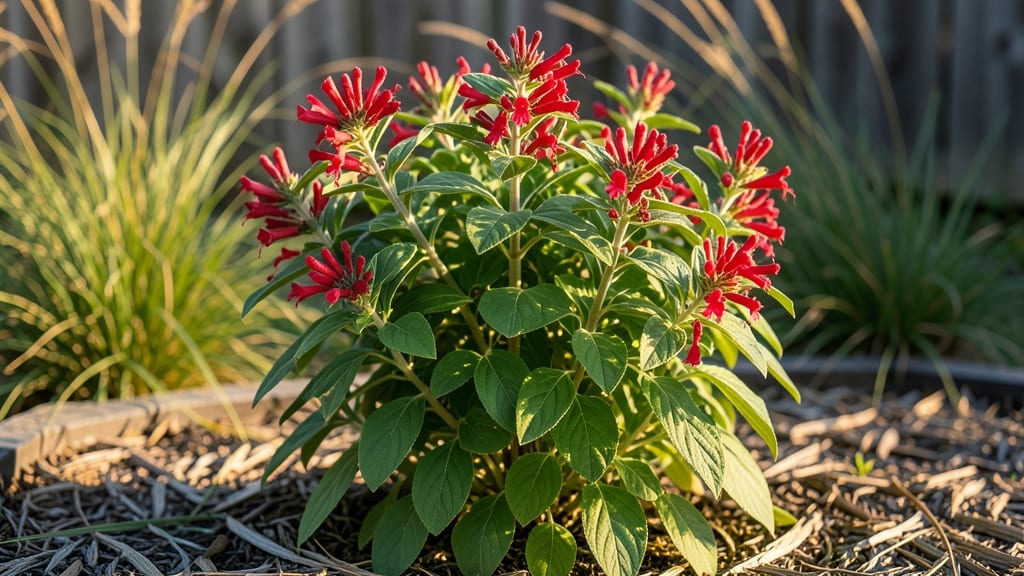
As a pineapple sage plant perennial, it thrives in USDA zones 8-11 year-round with proper cold hardiness care, though winter dieback is normal before vigorous spring regrowth. Strategic mulching and pruning help extend its lifespan even in colder climates.
This hardy herb survives winter's chill through a natural dormancy cycle, where above-ground growth shuts down but the root system remains alive. 🌱 The key to year-round success lies in protecting those roots—adding a thick layer of mulch (like straw or shredded leaves) insulates them from freezing temperatures.
I've seen pineapple sage bounce back spectacularly after winter, especially when pruned back in late fall to redirect energy to root development.
What's fascinating is how this plant adapts: while it may look completely dead in winter, those roots are quietly storing energy for spring's rebound. In zones 7 and below, container growing with winter protection (like moving pots to sheltered spots or using frost blankets) can mimic perennial behavior.
The dieback you see isn't failure—it's the plant's survival strategy in action.
💡 In This Article
- Pineapple Sage Cold Hardiness Zones Explained
- Winter Care Tips to Protect Pineapple Sage Perennials
Pineapple sage cold hardiness zones explained
The pineapple sage plant's perennial nature hinges on its ability to survive winter dormancy, which is directly tied to USDA hardiness zones. This herb thrives in zones 8-11 because these regions rarely drop below 10°F, the critical threshold where cold damage begins.
In zone 8, temperatures might hit 10-15°F for brief periods, while zones 9-11 rarely see frost. The plant's natural cold tolerance comes from its native Mexican origins, where it evolved to handle seasonal dryness and mild winters.
When temperatures fall below 25°F, pineapple sage enters dormancy—a survival mechanism where above-ground growth dies back to protect the root system. This isn't death but rather a strategic shutdown, similar to how deciduous trees lose leaves in winter. The roots remain alive, storing carbohydrates that fuel spring regrowth.
In my garden, I've observed that even after 20°F nights, the roots stay viable for weeks, demonstrating remarkable resilience. The key difference between zones is duration: zone 8 plants may experience 1-2 weeks of freezing temps, while zone 11 plants rarely see sustained cold.
What makes pineapple sage unique is its ability to regenerate from just 2 inches of remaining stem or root. This explains why even severely pruned plants rebound so vigorously in spring.
The plant's growth pattern follows a clear seasonal cycle: rapid spring growth (March-May), flowering peak (June-August), and gradual dormancy preparation (September-November).
In zone 7 and below, where winters are harsher, this cycle gets disrupted unless protective measures are taken, which is why many gardeners in these areas treat pineapple sage as an annual despite its perennial classification.
Scientifically, pineapple sage's cold hardiness relates to its water content and cell membrane composition. The leaves contain 85-90% water during active growth, which freezes and ruptures cell walls at 28°F—explaining why leaf dieback occurs first.
However, the roots contain less water (70-75%) and higher concentrations of protective sugars, allowing them to survive freezing. This biological adaptation is why proper winter care focuses on protecting the root zone through mulching and insulation.
Consider these zone-specific survival strategies: in zone 8, plants may lose 30-50% of their foliage but recover fully, while zone 9 plants might only show 10-20% dieback.
The transition zone (zone 7) is where pineapple sage struggles most—temperatures between 15-20°F for extended periods can kill roots, making container growing with winter protection essential for perennial behavior in these areas.
The plant's ability to regenerate from minimal root tissue makes it more resilient than many other perennials in marginal zones.
For gardeners pushing the limits, understanding these temperature thresholds helps decide whether to grow pineapple sage as a perennial or treat it as an annual. In my experience, even in zone 7, with proper winter protection, you can achieve 2-3 years of perennial growth before replanting.
The trade-off between effort and reward makes pineapple sage one of the most forgiving perennials for colder climates when you understand its cold hardiness mechanics. 🌿