
Plants
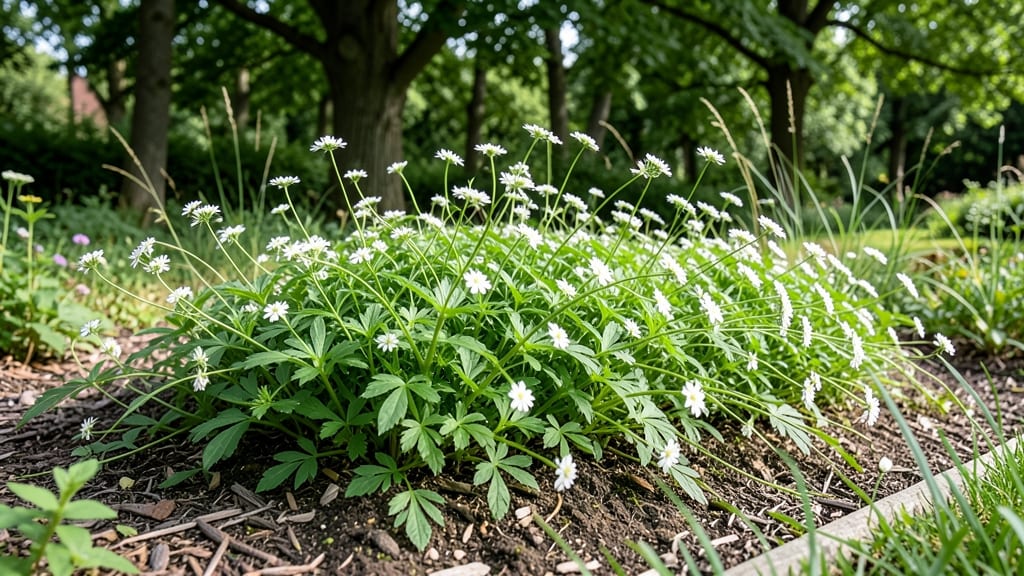
Sweet woodruff transforms shady corners into fragrant woodland escapes. 🌿 This shade-loving perennial spreads gently while filling your garden with a delicate vanilla scent when crushed—perfect for under trees or along foundations where sunlight barely reaches.
Plant it in well-draining soil with partial to full shade, and you’ll get lush, heart-shaped leaves that stay green all season. Water consistently but avoid soggy roots—this plant thrives in moisture but hates waterlogged conditions. It spreads slowly, making it ideal for ground cover without becoming invasive.
By late spring, you’ll have a carpet of fragrant foliage that repels slugs and attracts pollinators. The white flower clusters in spring add a delicate touch, and the scent lingers even after drying—great for potpourri or dried arrangements.
For best results, divide clumps every 3-4 years to control spread, and mulch lightly to retain moisture. In warmer climates, it may need afternoon shade to prevent leaf scorch, but otherwise, it’s one of the most low-maintenance shade plants you’ll grow.
📚 In This Guide
- What you need
- Instructions
- Tips and common mistakes
- Wrapping up and next steps
What you need
- ● Sweet woodruff plants: 3–5 healthy nursery-grown plants (or 1 lb of seeds if starting from scratch). Choose Galium odoratum for the classic fragrant variety.
- ● Well-draining potting mix: 1–2 bags (5–10 lbs each) of peat-free, organic compost blend for containers or garden beds.
- ● Mulch: 2–3 cubic feet of shredded bark or leaf mold to retain moisture and suppress weeds.
- ● Watering can or hose: With a gentle spray nozzle for even moisture distribution.
- ● Garden gloves: A pair to protect your hands while handling soil or plants.
- ● Hand trowel (for transplanting seedlings).
- ● Garden fork (to loosen compacted soil).
- ● Pruners (for trimming spent foliage in early spring).
- ● pH test kit (to ensure soil is slightly acidic, pH 6.0–6.5).
- ● Drip irrigation system (for automated watering in dry spells).
Step-by-step guide to planting perennial sweet woodruff
Sweet woodruff thrives in shade and spreads beautifully—here's how to establish it as a fragrant ground cover.
🌱 Step 1: Choose the Right Location and Prepare Soil
Select a shaded area with dappled light to full shade—sweet woodruff despises direct sun. Test your soil for moisture retention; it prefers well-draining but consistently damp conditions. If your soil drains too quickly, mix in 2 inches of compost to improve water retention without compacting.
Loosen the top 6 inches of soil with a garden fork, breaking up any clumps. The roots of sweet woodruff spread horizontally, so avoid heavy tilling that could damage them. If your garden has heavy clay, amend with 1 part peat moss or coconut coir to 3 parts soil to lighten the texture while retaining moisture.
🌿 Step 2: Plant Crowns or Divide Established Clumps
Sweet woodruff spreads from crowns (the base where leaves meet roots) or divisions. Plant crowns 12-18 inches apart in early spring or fall, when soil temperatures are cool but not frozen. Dig holes just deep enough to bury the crowns 1 inch below soil level—any deeper, and they’ll rot; too shallow, and they’ll dry out.
Gently spread the roots outward in the hole before backfilling with soil. Press lightly around the base to eliminate air pockets, but don’t compact the soil. Water immediately after planting to settle the roots and remove any air gaps. You’ll know it’s right when the soil surface looks slightly firm but still crumbly.
💧 Step 3: Maintain Moisture and Mulch for Retention
Keep the soil evenly moist for the first 4-6 weeks—this encourages root establishment. Water deeply 1-2 times per week, depending on rainfall, until new growth appears. Sweet woodruff tolerates brief dry spells once established, but young plants need consistent moisture to spread.
Apply a 2-3 inch layer of mulch (shredded bark or leaf mold) to suppress weeds and retain moisture. Avoid pine needles—they acidify the soil, and sweet woodruff prefers neutral to slightly alkaline conditions. Check mulch levels annually; it breaks down over time and should never touch the plant stems.
✂️ Step 4: Divide and Prune for Full Coverage
After 2-3 years, your sweet woodruff will form dense mats. In early spring, divide clumps by digging up sections with a sharp spade and replanting them 12-18 inches apart. This keeps the ground cover vigorous and prevents overcrowding. Prune back any flower spikes after they fade—they’re ornamental but don’t contribute to fragrance.
Watch for yellowing leaves in late summer; this signals natural dormancy. Reduce watering slightly but don’t let the soil dry out completely. Sweet woodruff’s signature vanilla scent peaks in spring, so time your pruning to avoid cutting into new growth. A light trim after flowering keeps the plant tidy without sacrificing fragrance.
☀️ Step 5: Protect and Enjoy the Fragrant Display
Sweet woodruff is low-maintenance but benefits from a light layer of shade cloth (30-50%) in hot climates to prevent leaf scorch. It’s deer-resistant, making it ideal for wildlife-friendly gardens. The fragrance intensifies when leaves are crushed—walk through the garden on a spring morning to release the scent.
By late summer, leaves may yellow and die back naturally. Don’t remove them until spring; they protect the crowns during winter. With proper care, your sweet woodruff will spread to fill gaps in 3-5 years, creating a lush, fragrant carpet under trees and shrubs.
Tips & tricks for perfect perennial sweet woodruff planting
Sweet woodruff might seem simple, but these pro tips will help you establish a thriving, fragrant ground cover that spreads beautifully—and avoids the most common pitfalls.
Soil Preparation: Before amending your soil with compost or peat moss, do a simple "squeeze test" to check moisture retention. Grab a handful of soil—if it crumbles when dry or stays in a tight ball when wet, you'll need to adjust drainage. Sweet woodruff's roots need that Goldilocks zone: not soggy, not bone-dry. For heavy clay soils, I've found mixing in 1 part coconut coir creates just the right balance of aeration and moisture retention.
Planting Depth: The 1-inch depth for crowns is critical—any deeper risks rot, while too shallow means desiccation. Here's my trick: Use a ruler to mark the hole depth, then place the crown on top of the ruler. When the crown sits at the 1-inch mark, you know you're at the perfect depth. This visual cue prevents the guesswork that leads to poor establishment.
Mulching Strategy: That 2-3 inch layer of mulch isn't just for looks—it's a moisture shield. I recommend applying it in two stages: first 1 inch immediately after planting to protect young roots, then the full layer once you see new growth. This prevents the dreaded "mulch volcano" effect where thick layers smother stems. And remember: shredded bark mulch breaks down slower than leaf mold, so adjust your annual top-ups accordingly.
Dividing Timing: The instructions mention dividing after 2-3 years, but here's what nobody tells you: The best time to divide is when you see vigorous new shoots emerging in early spring—this indicates the plant has enough energy to recover quickly. I've found dividing in April (after last frost but before summer heat) gives the best results. Just be gentle with those delicate roots!
Pro Tips for Perennial Sweet Woodruff
- Sweet woodruff might seem simple, but these pro tips will help you establish a thriving, fragrant ground cover that spreads beautifully—and avoids the most common pitfalls.
- Soil Preparation: Before amending your soil with compost or peat moss, do a simple "squeeze test" to check moisture retention.
- Planting Depth: The 1-inch depth for crowns is critical—any deeper risks rot, while too shallow means desiccation.
Frequently asked questions
Got questions about growing and using perennial sweet woodruff?
Here are answers to the most common ones—so you can confidently add this fragrant ground cover to your shade garden!
Is sweet woodruff invasive?
Not typically! While it spreads via rhizomes, sweet woodruff is generally well-behaved in most shade gardens. It’s not considered invasive in the U.S. or Europe, but it may outcompete delicate plants. Pro tip: Plant it in contained areas or pair it with taller perennials to manage its spread naturally.
How long does it take for sweet woodruff to establish?
Patience pays off! Sweet woodruff is slow to start but rewards you with time. Expect to see noticeable growth in 1–2 years, with full coverage taking 3–5 years in ideal conditions (partial to full shade, moist soil). Mulch lightly to help roots settle faster.
Can I use sweet woodruff as a living mulch?
Its low-growing habit and dense foliage make it perfect for suppressing weeds. Best for: Shady borders, under trees, or around shrubs. Just avoid planting it where you’ll need to dig frequently—its roots can be stubborn. Bonus: Its vanilla scent deters slugs naturally!
When is the best time to plant sweet woodruff?
Fall or early spring are ideal! Planting in fall gives roots time to establish before summer heat, while early spring (before new growth starts) reduces transplant shock. Avoid planting in extreme heat or drought—keep soil consistently moist for the first few weeks.
What’s a good alternative if sweet woodruff doesn’t thrive in my garden?
If your soil is too dry or sunny, try these shade-tolerant ground covers:
- Creeping Jenny (Lysimachia nummularia) – Bright green, spreads quickly, loves moisture.
- Hosta varieties – Varied foliage, great for texture (but watch for slugs!).
- Wild ginger (Asarum spp.) – Low-growing, evergreen, and fragrant.
- Lungwort (Pulmonaria) – Unique spotted leaves and early blooms.
For dry shade, consider Ajuga reptans (bugleweed) or Sedum varieties.
Wrapping up and next steps
Perennial sweet woodruff is a fragrant, low-maintenance gem for shade gardens, offering delicate foliage and a sweet vanilla-like scent that brightens any space. Whether you’re planting it for its beauty, ground-cover benefits, or even culinary uses, this versatile plant is a must-have for gardeners who love ease and elegance. 🌿✨
Ready to transform your garden? Start by gathering your supplies, choosing the right location, and following the simple steps to plant and care for your sweet woodruff. With a little patience, you’ll soon enjoy a lush, fragrant carpet that’s as rewarding to grow as it is to admire!