
Tools
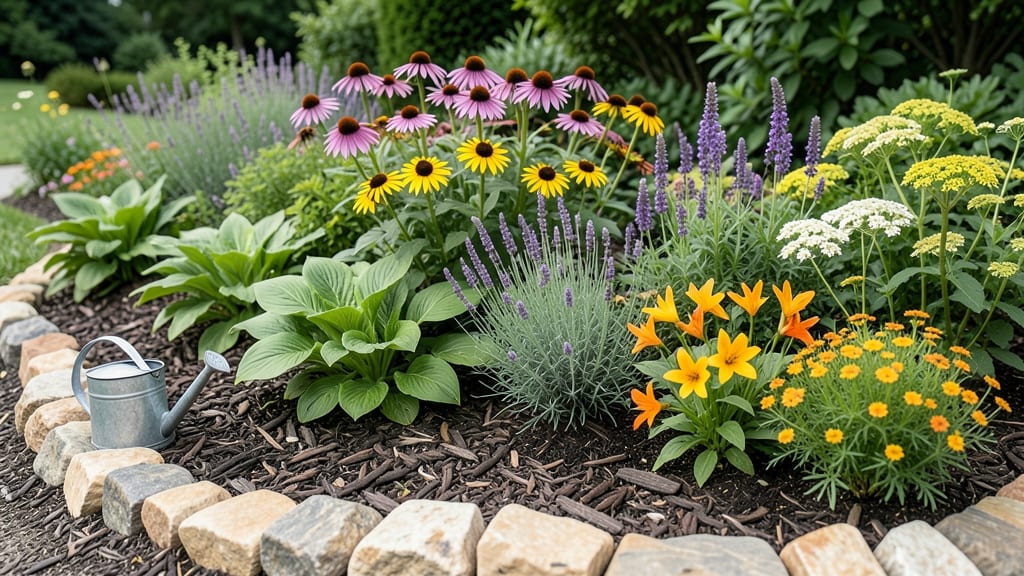
Creating a perennial garden with these plans for Zone 6 that thrives with minimal effort starts with the right plants and layout. 🌿 I've designed gardens where coneflowers, hostas, and lavender work together to deliver color from spring through frost—no annual replanting required.
The secret lies in layering plants by height and bloom season. Tall coneflowers and black-eyed Susans anchor the back, medium-height sedum and salvia add mid-season interest, and low-growing ajuga or creeping thyme spill over edges. This setup keeps your garden looking lush all year with zero fuss.
You'll end up with a low-maintenance space that blooms in waves—spring bulbs, summer perennials, and fall asters—while suppressing weeds naturally. The soil stays healthy, watering becomes minimal, and you'll spend more time enjoying the garden than working in it. Works for small city plots or large backyard borders.
Here's how to map it out!"
📚 In This Guide
- What you need
- Instructions
- Tips and common mistakes
- Wrapping up and next steps
What you need
- ● Perennial plants: Choose Zone 6-hardy varieties like coneflowers (Echinacea), black-eyed Susans (Rudbeckia), and hostas. Aim for 5-10 plants per square foot for a lush look.
- ● Topsoil or compost: 2-3 cubic yards (for a 10x10 ft. bed) to improve soil fertility and drainage.
- ● Mulch: 2-3 bags (2-3 cubic feet each) of organic mulch (e.g., shredded bark or straw) to retain moisture and suppress weeds.
- ● Garden gloves and knee pads for comfort during planting.
- ● Watering can or hose with a gentle spray nozzle for delicate watering.
- ● Garden trowel (for transplanting small plants).
- ● Garden fork or spade (for digging and aerating soil).
- ● Pruners (sharp, bypass pruners for clean cuts).
- ● Rake (for leveling soil and removing debris).
- ● Measuring tape (to plan and mark garden layouts).
- ● Wheelbarrow (for hauling soil, mulch, or plants).
- ● Soil test kit (to check pH and nutrient levels before planting).
- ● Garden hose with adjustable nozzle (for efficient watering).
- ● Plant labels (to track varieties and care needs).
- ● Garden kneeler with seat (for extra comfort during long sessions).
- ● Organic fertilizer (e.g., compost tea or slow-release granules).
Instructions for designing a low-maintenance perennial garden in Zone 6
Here’s how to create a garden that thrives year-round with minimal effort—no fuss, just beauty.
🌱 Step 1: Plan Your Plant Layers for Year-Round Interest
Start by sketching your space, dividing it into three layers: tall plants (back), medium plants (middle), and ground covers (front). This creates depth and ensures no season goes bare. In Zone 6, I focus on perennials that bloom early, mid-season, and late—like coneflowers, black-eyed Susans, and asters—so color never fades. Group plants with similar water needs together to simplify care.
Measure your beds and mark planting spots with stakes. For a 6-foot-wide bed, I plant tall perennials (3-4 feet) 18-24 inches apart, medium perennials (1-2 feet) 12-18 inches apart, and ground covers (like creeping thyme) 6-12 inches apart. This spacing gives roots room to spread without crowding, which keeps plants healthy and reduces competition.
☀️ Step 2: Choose Plants That Thrive in Zone 6’s Climate
Pick perennials that handle Zone 6’s hot summers (up to 90°F) and cold winters (down to -10°F) without fuss. Start with hardy, drought-tolerant options like Russian sage, lavender, and sedum—they survive dry spells and still look stunning. For shade, hostas and ferns thrive with minimal care, while sun-lovers like daylilies and bee balm bloom reliably year after year.
Check each plant’s mature size and sunlight needs before buying. I always label plants with their names and care notes (e.g., "water weekly in summer") to avoid confusion later. Mix deciduous and evergreen foliage so even when some plants fade, others keep the garden lively.
💧 Step 3: Amend Soil and Plant for Long-Term Success
Test your soil’s drainage and fertility—Zone 6 soil can be heavy clay or sandy, both of which need help. Mix in 2-3 inches of compost and a slow-release fertilizer (like 10-10-10) into the top 6-8 inches of soil before planting. This gives roots a nutrient boost without burning them. If your soil drains poorly, add coarse sand or perlite to improve airflow.
Dig holes twice as wide as the root ball but only as deep as the container’s base. Place the plant in, backfill with soil, and water deeply to settle it. Mulch with 2-3 inches of shredded bark or straw to retain moisture and suppress weeds. Avoid piling mulch against stems—keep it 2 inches away to prevent rot.
✂️ Step 4: Maintain With Seasonal Check-Ins
Perennials need three key tasks per year: deadheading spent blooms, dividing overcrowded clumps, and a light fertilizer in early spring. Deadheading (snipping off faded flowers) encourages more blooms and keeps the garden tidy. Divide plants like hostas or daylilies every 3-4 years when they crowd out—just dig up the clump, split it, and replant sections.
Water deeply once a week in summer (or more in droughts) to encourage deep roots. In fall, cut back dead or damaged stems but leave seed heads for winter interest. A quick cleanup in late winter (removing debris) keeps pests away and lets new growth shine.
🪴 Step 5: Add Hardscaping for Structure and Ease
Incorporate stone borders, stepping stones, or a simple wooden frame to define beds and reduce weeding. I use flat stones or pavers along edges to create clean lines and paths—this also makes mowing easier. Add a small water feature or birdbath to attract pollinators and keep the garden lively without extra work.
Place a bench or trellis in sunny spots for extra charm and function. Even a vertical garden with climbing roses or clematis adds height and interest. The goal? A garden that feels intentional but requires no more than 10 minutes of maintenance per week once established.
Tips & tricks for perfect perennial garden design in Zone 6
Real talk: the details in Step 1 make or break your garden's long-term success. I've seen beautiful plans fall apart because of overlooked spacing or seasonal gaps—let's fix that.
Layering Matters: When planning your three layers in Step 1, think vertically and horizontally. Tall plants (3-4 feet) should be spaced 18-24 inches apart, but also consider their mature height relative to your house or fence. I always leave at least 2 feet of clearance behind tall perennials like Russian sage to prevent shading out lower plants. This creates that magical layered effect where every season has something to offer without competition.
Seasonal Color Mapping: For that "no season goes bare" promise in Step 1, I create a simple chart mapping each plant's bloom time. Early bloomers like crocus (February-March) pair perfectly with late asters (September-October) in the same spot. Pro tip: Use colored pencils to mark bloom periods directly on your garden sketch—it's like having a built-in calendar that shows you exactly where color will appear each month.
Soil Prep Shortcut: Testing soil drainage can feel overwhelming, but here's my trick: dig a 12-inch deep hole, fill it with water, and time how long it takes to drain. If it takes more than 6 hours, your soil drains poorly. For the 2-3 inches of compost called for in Step 3, I use a 50-50 mix of finished compost and coarse sand—this improves drainage while keeping moisture. Spread it evenly over the planting area before digging holes.
Mulch Placement: That 2-3 inches of mulch in Step 3 is non-negotiable, but placement is everything. I use a garden rake to create a slight depression around each stem before adding mulch, then fill the center. This prevents water from pooling against the base where it can cause rot. For extra winter protection, I add an extra inch of straw mulch over the roots of tender perennials like lavender in late fall.
Pro Tips for Perennial Garden Plans Zone 6
- Real talk: the details in Step 1 make or break your garden's long-term success.
- Layering Matters: When planning your three layers in Step 1, think vertically and horizontally.
- Seasonal Color Mapping: For that "no season goes bare" promise in Step 1, I create a simple chart mapping each plant's bloom time.
Frequently asked questions
Got questions about designing a stunning, low-maintenance perennial garden in Zone 6? You’re not alone!
Here are answers to the most common queries to help you plan with confidence.
What are the easiest perennials to grow in Zone 6 for beginners?
Start with hardy, low-maintenance picks like coneflowers, black-eyed Susans, daylilies, and sedum. These thrive in Zone 6 with minimal fuss, tolerate drought, and bloom reliably. Pair them with ground covers like creeping thyme for a no-fail foundation.
When is the best time to plant perennials in Zone 6?
Plant in early spring (March–April) or early fall (September–October) for ideal root establishment. Avoid summer heat or winter frost. Fall planting gives roots time to grow before winter, while spring lets them take advantage of warm soil.
How do I protect perennials from Zone 6 winters?
Most perennials are cold-hardy, but tender varieties (like lavender or salvia) need mulch (2–3 inches) or frost cloth. Group plants with similar needs and avoid overwatering before freeze. Evergreens may need winter sun protection if snow is scarce.
Can I replace annuals with perennials in my existing garden?
Swap high-maintenance annuals for perennials like hostas (shade) or Russian sage (sun). Test soil first—amend with compost if needed. Perennials return yearly, reducing replanting costs and effort while boosting biodiversity.
How do I keep pests and diseases away in a Zone 6 perennial garden?
Prevent issues with diverse plantings (pests target monocultures), healthy soil (compost + mulch), and proper spacing for airflow. Remove spent blooms to deter slugs/snails. Neem oil or insecticidal soap treats problems early—avoid overwatering to prevent fungal diseases.
Wrapping up and next steps
Creating a stunning perennial garden in Zone 6 doesn’t have to be overwhelming—it’s all about choosing the right plants, planning wisely, and embracing the beauty of low-maintenance design. With the right perennial garden plans, you’ll enjoy vibrant blooms, lush foliage, and year-round interest with minimal effort. 🌸
Now that you’re armed with ideas, start small—pick a corner of your yard, sketch your layout, and dive in! Whether you’re a beginner or a seasoned gardener, every season brings new rewards in your four-season perennial garden. Happy planting! 🌱