
Pests
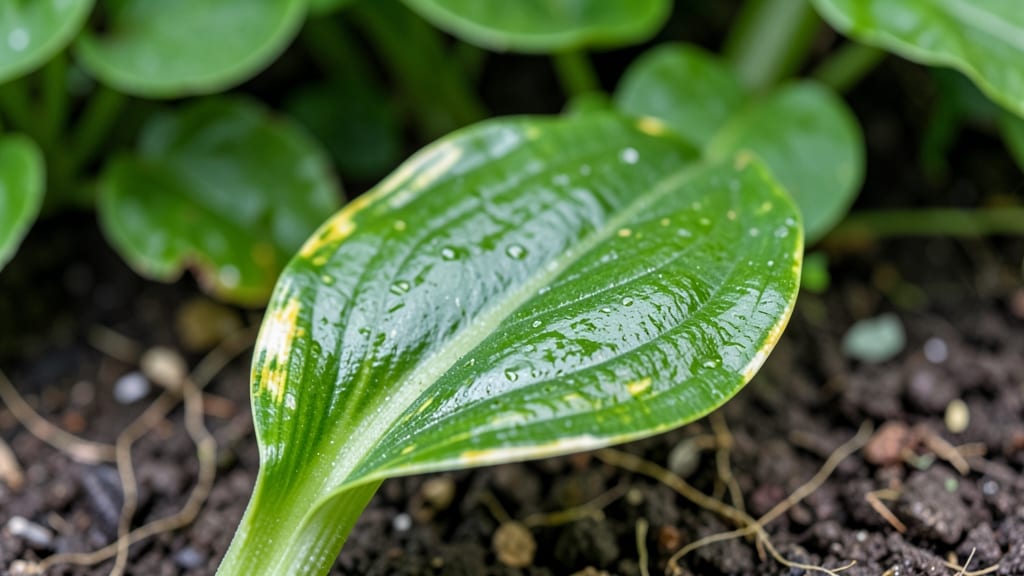
Part-sun deer-resistant perennials are the secret weapon for gardens that stay lush without becoming a deer buffet. 🌿 I’ve spent years testing plants that shrug off hungry critters while thriving in dappled shade—no fences, no repellents, just bold foliage and blooms that deer ignore.
These are the plants that make my garden the envy of the neighborhood, even when my neighbors’ gardens look like a salad bar. The magic lies in their texture and scent—deer avoid plants with fuzzy leaves, strong fragrance, or milky sap, like lamb’s ear, Russian sage, or catmint.
Most need 3–6 hours of sunlight but tolerate afternoon shade, making them perfect for under trees or along north-facing walls. Pair them with silver foliage (like artemisia) to create striking contrasts, or layer with late-blooming asters for seasonal interest.
By mid-summer, your garden will be a fragrant, deer-proof oasis with minimal upkeep. These perennials come back year after year, their roots deep and their resilience unmatched. No more losing prized plants to nibbling—just low-maintenance beauty that thrives on its own terms.
For a cohesive look, group plants by height and color: tall Russian sage (purple) behind mid-height catmint (lavender), with lamb’s ear (silver) spilling at the front. Add a few shrubby perovskia for structure, and you’ve got a garden that’s both functional and stunning—without the deer damage.
📚 In This Guide
- What you need
- Instructions
- Tips and common mistakes
- Wrapping up and next steps
What you need
- ● Part-sun perennials (deer-resistant varieties): 5–10 plants (e.g., Hellebore, Russian Sage, Catmint, Lavender, or Coneflower)
- ● Check local nurseries for native or hardy species (e.g., Black-Eyed Susan, Bee Balm, or Daylily).
- ● Garden soil: Well-draining, slightly acidic to neutral (pH 6.0–7.0). Test soil with a pH kit if unsure.
- ● Compost or organic mulch: 2–3 inches (5–7 cm) to retain moisture and deter weeds.
- ● Garden gloves & knee pads: For comfortable planting and weeding.
- ● Hand trowel or small shovel: For digging holes (6" deep for most perennials).
- ● Watering can or hose with a gentle spray nozzle: Avoid overwatering—part-sun plants prefer moderate moisture.
- ○ Deer repellent (optional but helpful): Spray-on repellent (e.g., Deer Out, Liquid Fence) or physical barriers (e.g., fencing, prickly plants like Roses).
- ● Slow-release fertilizer: 10-10-10 or compost-based (sprinkle lightly at planting time).
- ● Mulch rings or landscape fabric: To keep mulch in place and reduce weed competition.
- ● Pruning shears: For shaping plants in early spring or after blooming.
- ● Plant markers: Label varieties to track growth and blooming seasons.
- ● Rain gauge: Monitor watering—part-sun plants need 1–1.5 inches (2.5–4 cm) per week.
Step-by-Step planting guide for deer-resistant perennials in part sun
Here's how to create a stunning, low-maintenance perennial garden that deer will avoid—and that thrives with just a few hours of sunlight daily.
🌱 Step 1: Select and Prepare the Planting Site
Choose a location with 4-6 hours of morning or dappled sunlight—these perennials tolerate part shade but need some light to flourish. Clear the area of weeds and debris, then loosen the soil to a depth of 12 inches using a garden fork. This improves drainage and root penetration, which is especially important for deer-resistant varieties that often have deep root systems.
Amend the soil with 2-3 inches of compost to enrich the soil naturally. Deer-resistant perennials like Russian sage, lamb’s ear, and catmint thrive in well-draining soil, so avoid heavy clay or waterlogged areas. If your soil is dense, mix in sand or perlite to improve aeration. Test the soil pH—most deer-resistant perennials prefer a neutral to slightly alkaline range (6.0-7.5).
🪴 Step 2: Plant Perennials at the Right Depth and Spacing
Dig holes twice as wide as the root ball but only as deep as the container. This prevents burying the crown, which can lead to rot. Gently remove plants from their containers and tease apart any circling roots. Place each plant in the hole so the top of the root ball sits level with the surrounding soil—never mound soil around the stem.
Space perennials according to their mature size: 18-24 inches apart for medium-sized varieties like catmint and Russian sage, and 24-36 inches apart for larger plants like bee balm or coneflowers. Mulch around the base with 2-3 inches of organic mulch (like shredded bark or straw) to retain moisture and suppress weeds. Keep mulch 2-3 inches away from the stems to prevent rot.
☀️ Step 3: Water Deeply and Establish a Care Routine
Water each plant deeply immediately after planting to settle the soil and eliminate air pockets. Aim for 1 inch of water per week, delivered either through rainfall or irrigation. In the first 4-6 weeks, check soil moisture daily—deer-resistant perennials need consistent moisture to establish strong roots, but avoid soggy conditions.
After the initial establishment period, reduce watering to once a week unless your area experiences extreme heat or drought. Most deer-resistant perennials are drought-tolerant once established, but young plants benefit from regular moisture. Fertilize lightly in early spring with a balanced, slow-release fertilizer (10-10-10) to encourage lush growth without attracting deer.
✂️ Step 4: Prune and Maintain for Long-Term Beauty
Prune spent blooms in early summer to encourage a second flush of flowers. For perennials like Russian sage and catmint, cut back one-third of the plant in late winter to promote bushier growth. Avoid heavy pruning in fall—this can stimulate new growth that won’t harden off before winter.
Monitor for pests like aphids or spider mites, which can stress plants and make them more appealing to deer. A neem oil spray applied in early summer deters pests without harming beneficial insects. Deer-resistant perennials rarely need pesticides, but occasional checks ensure they stay healthy and vibrant. Divide clumps every 3-4 years in early spring to rejuvenate growth and prevent overcrowding.
🌿 Step 5: Seasonal Care for Year-Round Success
In fall, cut back dead foliage but leave seed heads for winter interest and wildlife. Apply a 2-inch layer of mulch to insulate roots during cold months. Most deer-resistant perennials are hardy, but a thick mulch layer protects tender varieties like catmint from harsh winters.
In early spring, remove old mulch and replace it with fresh material. Lightly fertilize again if growth seems sluggish. Watch for deer activity—if you notice browsing, consider adding physical barriers (like fencing or deer-repellent plants like foxglove or lamb’s ear) around new plantings. With proper care, these perennials will thrive for years with minimal effort.
Tips & tricks for perfect part-sun deer-resistant perennials
Real talk: The secret to a thriving part-sun perennial garden isn't just about planting—it's about creating the right conditions from day one. These details make all the difference between a garden that survives and one that truly flourishes.
Soil Preparation is Everything: When loosening that 12-inch depth of soil in Step 1, don't just scratch the surface—really work the fork deep to break up compacted layers. Deer-resistant perennials often have deep root systems that need room to spread. I've seen gardens fail when plants struggle to establish because the soil was only superficially loosened. For clay-heavy soils, mix in sand or perlite right when you're amending with compost—this improves aeration immediately. Think of it as giving your plants' roots a head start.
Root Ball Handling in Step 2: Here's what nobody tells you—when removing plants from containers, gently squeeze the root ball to encourage roots to spread outward. This prevents that "pot-bound" look where roots circle tightly. Also, if your plants arrive with circling roots, use your fingers to tease them apart before planting. I learned this the hard way after seeing several Russian sage plants struggle because their roots were still circling in the hole. The goal is to mimic natural root growth patterns as closely as possible.
Watering Wisdom for Step 3: That 1 inch per week guideline is perfect, but timing matters just as much. Water in the early morning to allow foliage to dry before evening—this prevents fungal issues that can make plants more appealing to deer. For the first 4-6 weeks, I like to water deeply every 2-3 days rather than relying on the weekly schedule. This helps establish strong root systems faster, which is especially critical for deer-resistant varieties that need to build resilience quickly. A soil moisture meter is worth the investment for this critical period.
Seasonal Pruning Strategy: When pruning Russian sage and catmint in late winter (Step 4), don't cut back more than one-third—this encourages dense, bushy growth rather than leggy stems. I've seen gardeners over-prune and end up with sparse plants that struggle to recover. For early summer pruning, cut back spent blooms to just above a set of healthy leaves. This not only encourages more flowers but also maintains the plant's natural shape, making it less inviting to deer that might target irregularly shaped plants.
Pro Tips for Part Sun Deer Resistant Perennials
- Real talk: The secret to a thriving part-sun perennial garden isn't just about planting—it's about creating the right conditions from day one.
- Soil Preparation is Everything: When loosening that 12-inch depth of soil in Step 1, don't just scratch the surface—really work the fork deep to break up compacted layers.
- Root Ball Handling in Step 2: Here's what nobody tells you—when removing plants from containers, gently squeeze the root ball to encourage roots to spread outward.
Frequently asked questions
Got questions about part-sun deer-resistant perennials?
You’re not alone! Here are answers to the most common queries to help you choose and care for the best low-maintenance plants for your garden.
What does "part sun" really mean?
"Part sun" typically means 3 to 6 hours of direct sunlight per day. However, some deer-resistant perennials (like Hellebores or Astilbes) tolerate morning sun and afternoon shade, while others (like Russian Sage) thrive with evening sun. Always check the specific plant’s light preferences—overly harsh conditions can stress them out, making them more vulnerable to pests (including deer!).
Are these perennials truly deer-proof?
No plant is 100% deer-proof, but these perennials are highly deer-resistant due to strong fragrances, fuzzy textures, or toxic compounds. Deer may nibble if other food is scarce, so combine with deer fencing or repellents for extra protection. Lavender, Lamb’s Ear, and Catmint are top picks for deterring even the hungriest browsers!
When is the best time to plant them?
The ideal time is early spring or early fall when soil is workable but not frozen. Spring planting gives roots time to establish before summer heat, while fall planting allows growth in cooler weather. Avoid planting in peak summer—young perennials may struggle with heat stress and dehydration. Pro tip: Water deeply after planting to help roots settle in!
What if my soil isn’t ideal?
Most deer-resistant perennials are adaptable, but they prefer well-draining, slightly acidic to neutral soil. If your soil is heavy clay or sandy, amend it with compost or organic matter before planting. For poor drainage, raise beds or add perlite. Russian Sage and Yarrow tolerate dry conditions, while Hosta (a deer-resistant option) thrives in moist, rich soil.
How do I replace damaged perennials?
If deer or pests damage your plants, don’t panic—most perennials regrow from the root! Cut back chewed foliage to encourage new growth. For severely damaged roots, dig up healthy sections and replant them. Divide clumps every 2–3 years to rejuvenate growth. If a perennial dies, replace it in fall or early spring for the best survival rate.
What’s a great low-maintenance combo?
Pair Lavender (fragrant, deer-resistant) with Catmint (drought-tolerant) for a no-fuss, pollinator-friendly duo. Add Russian Sage for height and Hosta for shade-loving texture. This combo thrives in part sun, repels deer, and requires minimal watering once established. Mulch with wood chips to suppress weeds and retain moisture!
Wrapping up and next steps
Transforming your garden into a deer-resistant, part-sun oasis is easier—and more rewarding—than you think! With the right perennials like Russian sage, Lamb’s ear, or Black-eyed Susan, you’ll enjoy year-round beauty while keeping those pesky deer at bay.
These low-maintenance plants not only survive with minimal fuss but also add texture, color, and resilience to your landscape.
Ready to elevate your garden? Start by sketching your space, testing soil conditions, and picking 3-5 perennials that suit your climate and style. Then, grab your tools and dive in—your future self (and your garden!) will thank you. 🌱✨