
Flowers
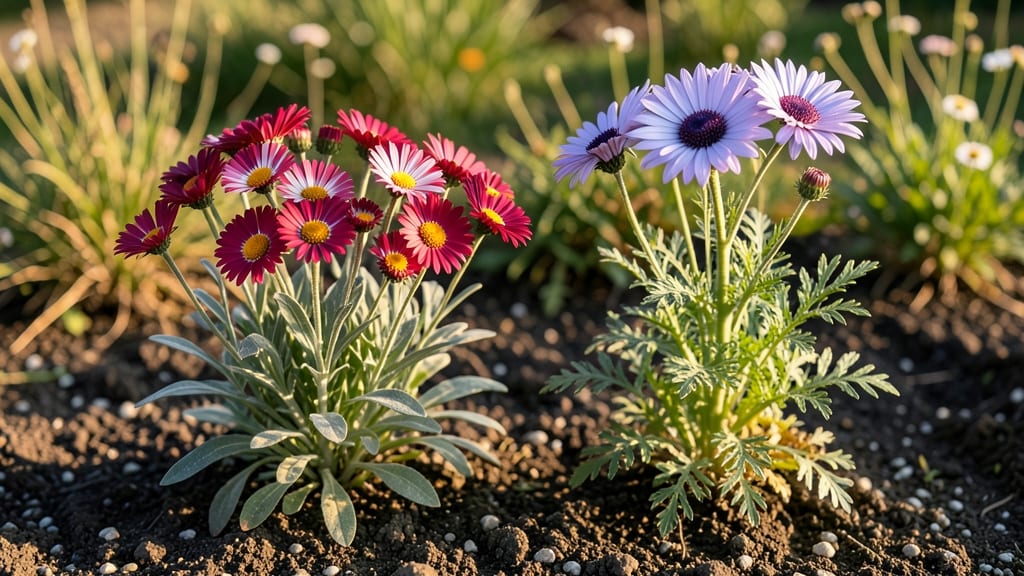
Deciding whether osteospermum grows as an annual or perennial depends on your climate: these plants thrive as perennials in USDA zones 8-11, where frost-free winters let them regrow yearly, but die back in colder regions, requiring replanting each spring.
Your growing zone is the real game-changer here. 🌱 In warmer climates like Southern California or Florida, osteospermum's natural resilience lets it bounce back from winter with minimal care, while colder areas force gardeners to treat them as annuals.
The key difference lies in frost tolerance—even a light freeze can kill the plant back to the ground, but the roots often survive in milder winters to regenerate.
I've seen gardeners in zone 7 push their luck by mulching heavily, but it's still a gamble compared to the reliable perennials in zones 8+.
What's interesting is that osteospermum's growth habit isn't inherently annual or perennial—it's all about environmental conditions. The plant's native South African origins mean it evolved to handle dry heat, but it's the cold that trips it up.
This makes them perfect for container growing in colder climates, where you can bring them indoors during winter and replant them next spring.
💡 In This Article
- Climate Zones Where Osteospermum Thrives as a Perennial
- How to Extend Osteospermum’s Lifespan Beyond One Season
Climate zones where osteospermum thrives as a perennial
The dividing line between annual and perennial osteospermum growth comes down to 25-30°F—the temperature threshold where frost damage becomes irreversible. In USDA zones 8-11, where winter lows rarely dip below 20°F, these plants naturally behave as perennials.
The secret lies in their deep root systems, which can survive mild freezes (28°F) by entering dormancy, then regenerate when temperatures rise above 50°F in spring. 🌡️
What makes this fascinating is how osteospermum's native South African habitat (where winters rarely drop below 40°F) has shaped its cold tolerance. Unlike true perennials that develop hardy woody stems, osteospermum relies on its fibrous root network to store energy.
When temperatures drop below 25°F for more than 24 hours, these roots can't sustain the plant—explaining why zone 7 gardeners often see their plants die back completely despite heavy mulching.
The real magic happens in zone 8, where osteospermum's growth cycle mirrors its wild behavior. Plants establish robust root systems by late summer, then enter a semi-dormant state during winter's mildest months.
By February, when daytime temperatures hit 60°F, new shoots emerge from the crown, often blooming again by early spring—giving them that perennial advantage. In contrast, zone 6 gardeners might see their plants survive winter only to produce weak, leggy growth the following season.
Here's where location matters: coastal areas in zone 8 (like San Diego) have 5°F warmer winters than inland regions, creating microclimates where osteospermum thrives as a perennial. The ocean's moderating effect prevents temperature swings below 28°F, while inland zones may still experience damaging frosts.
This is why you'll often see osteospermum labeled as "tender perennial"—it's not cold-hardy like lavender, but it can persist if winter conditions are mild enough. ✨
For gardeners in marginal zones (7a-7b), the difference between annual and perennial growth often comes down to microclimate selection**. Planting osteospermum near south-facing walls or in containers that can be moved to protected areas during winter can push the boundaries of their hardiness.
The plant's ability to regrow from roots means even a single surviving node can produce a full plant by spring—making it surprisingly resilient when given the right conditions.
What most people don't realize is that osteospermum's flowering cycle actually helps it survive winter. The plant's natural tendency to produce fewer blooms in cooler weather conserves energy, allowing it to focus resources on root development.
This adaptive strategy is why you'll see gardeners in zone 8 report their plants flowering continuously from spring through fall, then going dormant only when temperatures drop below 40°F at night. 🌸