
Picking
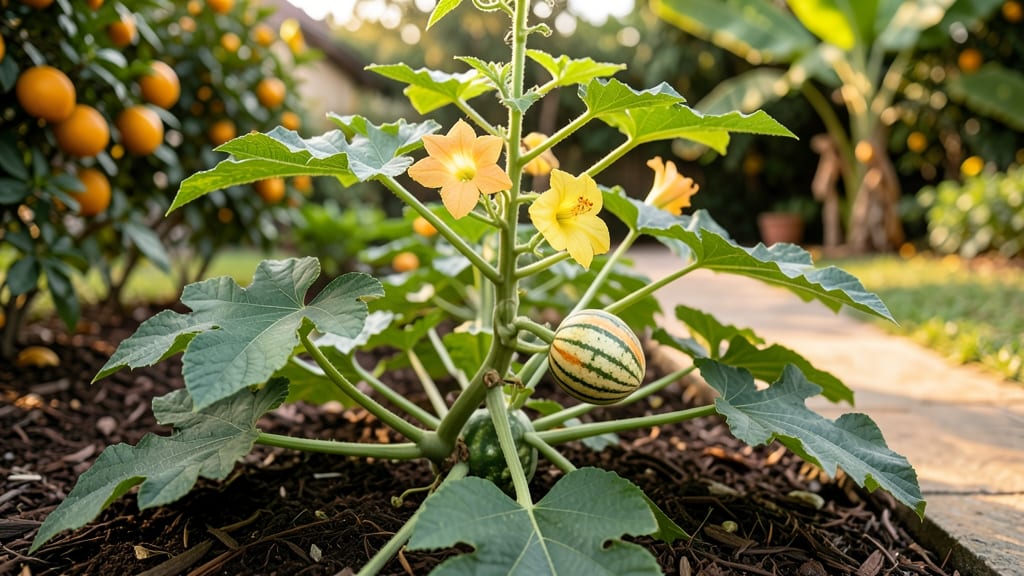
The mango watermelon hybrid tastes like a tropical fruit sensation that blends the creamy sweetness of mango with the crisp, juicy bite of watermelon. This rare crossbreed delivers a unique balance of flavors and textures that fruit enthusiasts adore, though its scarcity makes it a true gardening treasure.
The mango watermelon hybrid isn't just a fruit—it's a scientific marvel that combines the best qualities of two beloved varieties. 🌱 What makes this crossbreed so special is its genetic complexity; unlike more common hybrids, it requires precise pollination techniques and ideal growing conditions to develop properly.
Many gardeners attempt it as a fun experiment, but only a few achieve consistent results due to the delicate balance needed between the two parent plants' traits.
This hybrid's appeal goes beyond taste—it's also seedless in many cases, making it incredibly convenient for eating fresh.
The texture is where it truly shines: the outer rind stays crisp like watermelon, while the flesh inside melts like ripe mango. 💛 While you won't find it in grocery stores, dedicated home growers often share cuttings or seeds online, creating a small but passionate community of hybrid fruit enthusiasts.
💡 In This Article
- How Mango Watermelon Hybrid Fruit Develops Genetically
- Growing a Mango Watermelon Hybrid: Tips for Home Gardeners
How mango watermelon hybrid fruit develops genetically
The mango watermelon hybrid emerges from a fascinating genetic dance between two botanically distant relatives. While both belong to the Cucurbitaceae family (watermelon) and Anacardiaceae family (mango), their chromosomes differ significantly—watermelon has 22 chromosomes while mango has 40.
This mismatch creates what scientists call "genomic incompatibility," forcing plant breeders to use advanced techniques like embryo rescue or somatic hybridization to coax viable offspring. 🔥
Successful pollination requires precise timing and environmental control. Mango flowers open for just 24-48 hours, while watermelon flowers last 3-5 days. Breeders must transfer pollen during the female watermelon flower's receptive phase using a fine brush, then protect the developing fruit with a mesh bag to prevent cross-contamination.
The resulting seedling often shows only 50% genetic material from each parent, meaning fruit development can be unpredictable—sometimes producing a watermelon-like shape with mango flesh, or vice versa.
What makes this hybrid so challenging is its heterosis effect—the "hybrid vigor" that gives it superior traits. However, this same vigor can cause instability in fruit characteristics.
The hybrid's flesh often develops a marbled pattern where mango's orange-yellow hues blend with watermelon's red, creating a visually stunning (but genetically unstable) appearance. Many first-generation hybrids fail to reproduce true, requiring multiple backcrosses to stabilize traits—a process that can take 5-10 years.
Grafting presents another hurdle because mango and watermelon have incompatible rootstocks. The hybrid's roots must develop independently, making it vulnerable to soil-borne diseases like fusarium wilt. 💫 Successful cultivation often depends on using watermelon's disease-resistant rootstock while allowing the scion (top growth) to develop mango-like leaves and fruit structure.
This creates a "chimera" plant where different tissues express traits from both parents.
Temperature plays a critical role in fruit development. Mangoes thrive in 75-85°F conditions, while watermelons prefer 70-90°F. The hybrid often requires consistent daytime highs of 80°F+ and nighttime lows above 65°F to prevent fruit abortion.
Many gardeners report that even with perfect pollination, only 1 in 5 attempts produces a viable hybrid fruit due to these environmental sensitivities.
The resulting fruit's flavor profile emerges from this genetic complexity. Mango contributes volatile esters (like ethyl butyrate) that create its tropical aroma, while watermelon provides lycopene and citrulline for its refreshing crunch.
The hybrid's seedless trait often comes from the watermelon parent's triploid genetics, which prevents seed formation when pollinated by diploid watermelon pollen. This combination makes the hybrid not just a novelty, but a scientific study in plant genetics.