
Flowers
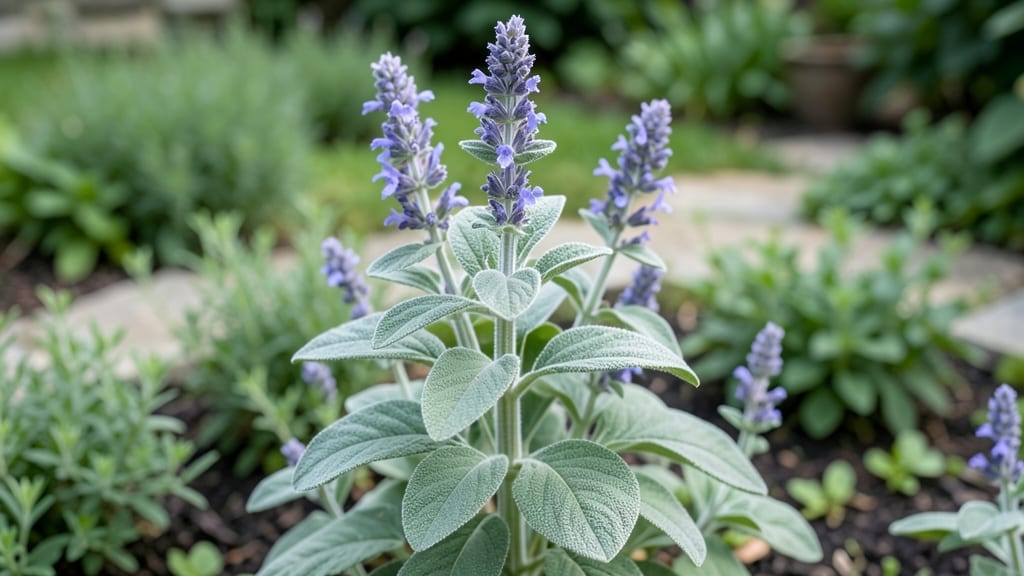
Sage is a perennial or annual plant depending on your climate, thriving year after year in USDA zones 5-8, though it may lose its leaves in winter before regrowing. In colder regions, gardeners often treat it as an annual or bring it indoors to extend its lifespan.
Whether sage is perennial or annual depends on where you live. 🌿 In warmer zones, it naturally returns with new growth each spring, while colder climates force it into dormancy. The key difference lies in how cold the winters get—sage can survive light frosts but struggles with prolonged sub-freezing temperatures.
I’ve seen gardeners in zone 4 successfully overwinter potted sage by moving it to a garage or covered porch, proving that with the right care, even "annual" sage can become a long-term garden staple.
For those in marginal zones, choosing the right variety makes all the difference. Hardy common sage (Salvia officinalis) handles cold better than tropical varieties like pineapple sage (Salvia elegans), which need warmer conditions to survive winters.
The secret to extending sage’s life in cold areas often comes down to proper mulching and container growing—both techniques protect roots from extreme cold while allowing the plant to bounce back in spring.
💡 In This Article
- How Climate Affects Sage’s Perennial Nature
- Extending Sage’s Lifespan in Cold Climates
How climate affects sage’s perennial nature
Sage’s perennial nature hinges on its ability to survive winter dormancy, a process tied to its hardiness zone range. In USDA zones 5-8, where winter temperatures rarely drop below -20°F to 10°F, sage naturally enters a dormant state—losing its leaves but preserving its root system.
This root system, which can extend 12-18 inches deep, acts like a biological battery, storing nutrients to fuel regrowth once temperatures rise above 40°F in spring. The plant’s woody stems also contain protective resins that insulate the vascular system, preventing fatal damage from light frosts.
The magic number for sage’s survival is around 15°F—prolonged exposure to colder temperatures triggers cell damage in the leaves, but the roots often remain viable. In zones 4 and below, where winters dip below -20°F, the roots themselves can suffer, forcing the plant to behave like an annual.
This explains why gardeners in Minnesota might harvest sage as an annual while those in Virginia see it return reliably each year. The key difference lies in the plant’s ability to regenerate from its crown, a process that requires at least 6-8 weeks of consistent warmth in spring.
Sage’s dormancy cycle mirrors that of other Mediterranean herbs like rosemary and thyme, which evolved to handle seasonal dryness and mild winters. During dormancy, the plant’s metabolic rate drops by up to 80%, conserving energy while still maintaining root integrity.
This adaptation is why you’ll often see sage’s leaves turn brown and crispy in winter—it’s not dead, just conserving resources until spring. The aroma you might notice when brushing against the stems is actually a chemical signal (volatile oils) that helps the plant prepare for regrowth.
Regional variations play a huge role in sage’s performance. For example, in the Pacific Northwest (zone 7-8), sage thrives with minimal care, while in the Midwest (zone 5), it may need 3-4 inches of mulch to protect roots from freeze-thaw cycles.
The soil’s moisture retention capacity also matters—sage prefers well-drained soil, but in winter, excess moisture can lead to root rot if the ground stays frozen. This is why raised beds or slopes work better in colder climates, allowing water to drain away from the plant’s base during winter thaw.
What most gardeners don’t realize is that sage’s winter dieback isn’t a sign of weakness—it’s a survival strategy. The plant prioritizes root and crown health over foliage, ensuring it can rebound quickly in spring.
In fact, pruning back dead stems in late winter can stimulate new growth by reducing competition for the plant’s limited energy reserves. This is why many gardeners in marginal zones swear by a late-winter pruning (around March) to encourage vigorous regrowth once temperatures stabilize.
For those pushing sage’s limits in colder zones, understanding its cold tolerance thresholds is critical. While common sage (Salvia officinalis) can handle down to 0°F with proper care, varieties like pineapple sage (Salvia elegans) struggle below 20°F.
The difference comes down to their evolutionary origins—common sage adapted to Mediterranean winters, while tropical sages evolved in warmer climates. This is why choosing the right variety for your zone can mean the difference between a perennial and an annual experience.