
Blooming
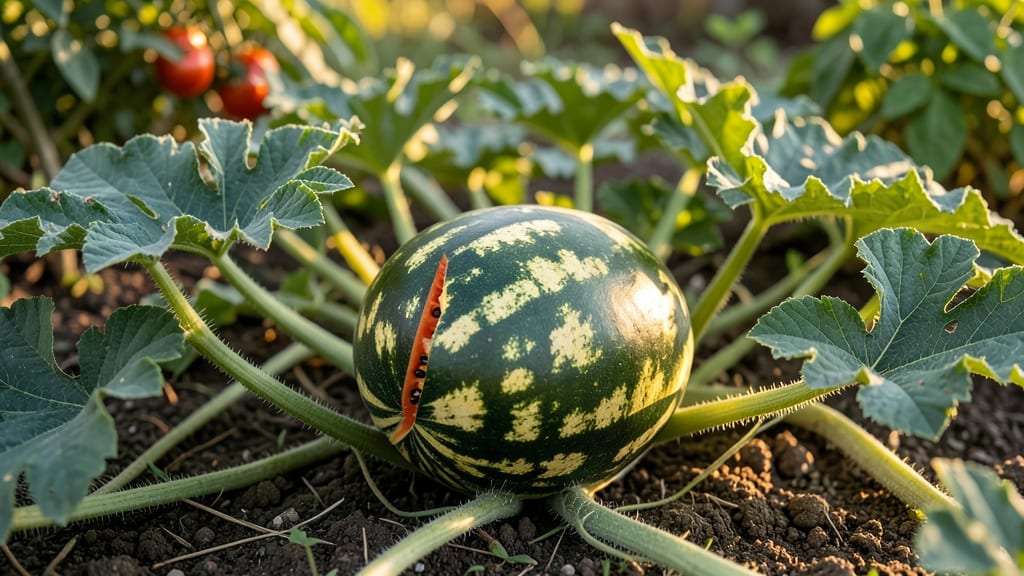
Knowing how long you can keep watermelon depends on its form: whole watermelons stay fresh for 1-2 weeks at room temperature or 2-3 weeks refrigerated, while cut pieces last 3-5 days in sealed containers. Seeded watermelon spoils quickly—eat within 2 days if refrigerated.
Watermelon's shelf life hinges on moisture retention and microbial control. Whole fruit lasts longer because its rind acts as a protective barrier against air exposure, which speeds decay. 🌱 Cut or seeded watermelon loses this defense, so refrigeration becomes essential to slow bacterial growth.
For maximum freshness, store whole melons in a cool, dry place away from direct sunlight, and wrap cut pieces tightly in plastic wrap or airtight containers to preserve juiciness.
Pro tip: If you notice mold or an off smell, discard immediately—watermelon's high water content makes it prone to bacterial contamination. For overripe melons, blend into smoothies or ferment into vinegar for zero-waste solutions.
💡 In This Article
- Watermelon Storage Science: Why Temperature and Humidity Matter
- Step-by-Step Watermelon Preservation Guide for Gardeners
Watermelon storage science: why temperature and humidity matter
Watermelon's shelf life is fundamentally controlled by two biological processes: ethylene gas production and moisture loss. Whole watermelons produce ethylene—a natural plant hormone that accelerates ripening and spoilage—at room temperature. This gas triggers the breakdown of cell walls, causing the flesh to soften and develop off-flavors.
Refrigeration (35-40°F) dramatically slows ethylene activity by 70-80%, extending freshness by nearly doubling the time.
The rind's waxy cuticle acts as a moisture barrier, but once cut, the exposed surface loses 10-15% of its weight to evaporation within 24 hours at room temperature. This dehydration accelerates microbial growth, especially on seeded pieces where bacteria can nest in crevices.
The high water content (92%) makes watermelon a prime environment for mold and bacteria—refrigeration reduces bacterial growth rates by 90% compared to room temperature storage.
Humidity plays a critical role too. Ideal storage conditions maintain 85-90% relative humidity to prevent the flesh from drying out. A simple plastic wrap or airtight container creates a microenvironment that traps moisture, mimicking the natural humidity inside the rind.
For whole melons, a paper bag with ventilation holes works best—it allows limited airflow while preserving moisture better than open storage.
Cut watermelon's rapid spoilage stems from oxidation. When exposed to air, the flesh's natural enzymes react with oxygen, turning the bright red color to dull brown within 12-24 hours. This enzymatic browning isn't just cosmetic—it signals the breakdown of cellular structures, making the texture mushy and flavor bland.
Refrigeration at 37-40°F slows this process by 50%, but even then, cut pieces should be consumed within 3-5 days for optimal quality.
Seeded watermelon spoils fastest because the seeds create micro-environments where bacteria thrive. The high surface area from seeds and rind fragments provides 30-40% more exposure to air and moisture than seedless varieties.
This is why seeded watermelon should be refrigerated immediately after cutting and consumed within 2 days—otherwise, the seeds can become a breeding ground for harmful bacteria like E. coli or Listeria.
Here's what happens under different conditions:
- Room temperature (70-75°F): Whole melon lasts 5-7 days; cut pieces spoil in 1-2 days due to rapid microbial growth
- Refrigerated (35-40°F): Whole melon extends to 2-3 weeks; cut pieces last 3-5 days with proper sealing
- Frozen (-0°F or below): Only whole, uncut watermelon can be frozen for up to 3 months—cut pieces become waterlogged and lose texture
The key takeaway? Watermelon's storage life isn't just about time—it's about controlling the environment to slow the natural decay processes. 💫