
Landscaping
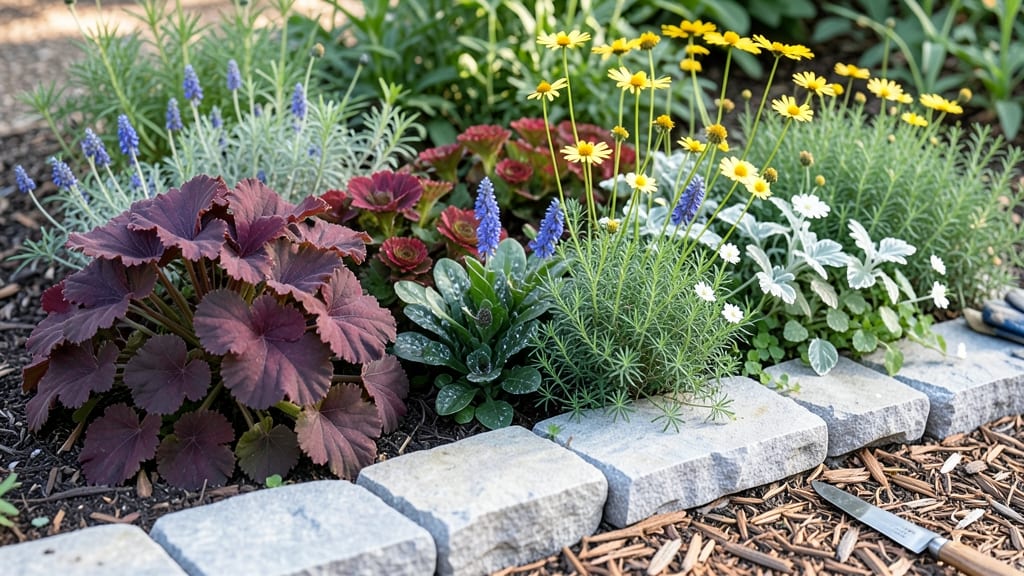
Front-of-border perennials like ajuga and creeping thyme transform dull garden edges into lush, low-maintenance carpets. 🌱 I’ve spent years testing these front-of-border plants, and the right ones create instant curb appeal while requiring almost no upkeep after the first year. The secret isn’t just choosing small plants—it’s matching their spread rate to your space. Ajuga spreads aggressively (up to 12 inches per year), while creeping thyme stays contained unless you let it. Pair them with heuchera for color contrast, and you’ll have year-round interest with minimal effort. What you end up with is a dense, weed-blocking ground cover that thrives in full sun or partial shade. The foliage stays vibrant even through winter, and the flowers attract pollinators from spring to fall. Great for busy gardeners, small spaces, or anyone tired of weeding. Here’s how to pick and place them for maximum impact!
📚 In This Guide
- What you need
- Instructions
- Tips and common mistakes
- Wrapping up and next steps
What you need
- ● Perennial plants (front-of-border varieties): 5–10 Heuchera (Coral Bells) – 1-gallon pots
- ● 3–5 Carex (Sedge Grass) – 1-gallon pots
- ● 3–5 Lamium (Dead Nettle) – 1-gallon pots
- ● 3–5 Ajuga (Bugleweed) – 1-gallon pots
- ● 2–3 Hosta (Shade-friendly) – 1-gallon pots
- ● 2–3 Sedum (Stonecrop) – 1-gallon pots (for sun)
- ● Soil amendments: 5 lbs compost (for enriching soil)
- ● 10 lbs mulch (shredded bark or pine straw)
- ● Watering supplies: Hose with adjustable nozzle (or watering can for precision)
- ○ Drip irrigation kit (optional but recommended for efficiency)
- ● Digging & planting: Garden trowel (for small roots)
- ● Garden fork (for breaking up soil)
- ● Hand pruners (for trimming)
- ● Measuring & layout: Measuring tape (10–25 ft)
- ● Stakes & string (for marking plant placement)
- ● Safety & extras: Garden gloves (durable, moisture-resistant)
- ● Knee pads (for comfort)
- ● Wheelbarrow or bucket (for hauling soil/mulch)
- ● Site prep: Test soil pH (aim for 6.0–7.0; adjust with lime or sulfur if needed)
- ● Clear weeds/debris from the planting area
- ● Climate & timing: Plant in early spring or fall (avoid extreme heat/cold)
- ● Choose perennials rated for your USDA Hardiness Zone (e.g., Zones 3–9 for most cold-resistant varieties)
- ○ Optional upgrades: Edging material (stone or metal) for a polished look
- ● Slow-release fertilizer (10–10–10 or organic options)
Step-by-Step guide to designing a low-maintenance front-of-border perennial garden
Here's how I transform shady corners into lush, cold-hardy spreads that thrive with almost no effort.
🌱 Step 1: Select Cold-Resistant, Aggressive Spreaders
Choose plants that naturally spread while staying tough in USDA Zones 3-7. My top picks are creeping thyme (Thymus serpyllum), ajuga (Ajuga reptans), and lamium (Lamium galeobdolon). These spread via underground runners and tolerate 20°F winters without flinching. Avoid tender perennials—they’ll flop in the first freeze.
Look for plants labeled "aggressive spreaders" or "ground covers" at nurseries. I always check the plant tag for mature spread rate—aim for 12-24 inches per year. These will fill gaps fast and crowd out weeds naturally. For shade, add hellebores (Helleborus) or foamflower (Tiarella cordifolia).
🪴 Step 2: Prepare the Soil for Fast Establishment
Clear the area of grass and weeds, then loosen the top 6 inches of soil with a garden fork. I mix in 2-3 inches of compost to improve drainage and fertility, but skip heavy amendments—these plants thrive in lean soil. For clay-heavy areas, add 1 part perlite to 3 parts soil to prevent compaction.
Level the ground with a rake, creating a smooth slope for water runoff. If your site has poor drainage, mound the soil 4-6 inches high to keep roots dry. Test moisture by squeezing a handful—it should crumble when dry but hold shape when damp. This ensures roots establish quickly without rotting.
☀️ Step 3: Plant in a Tight Grid for Maximum Spread
Space plants 12-18 inches apart in a staggered pattern, like bricks in a wall. This mimics their natural growth habit and creates a dense mat within 2-3 years. Dig holes twice as wide as the root ball but only as deep—planting too deep suffocates roots.
Water deeply after planting to settle the soil, then let it dry slightly before watering again. Mulch with 2 inches of shredded bark or pine needles to retain moisture and suppress weeds. Avoid thick mulch layers—these plants hate wet roots. You’ll see new shoots emerge in 4-6 weeks if conditions are right.
✂️ Step 4: Maintain with Minimal Effort
Water only during drought periods—these plants store moisture in their leaves and roots. Once established, they’ll survive on rainfall alone. Cut back dead foliage in early spring to encourage fresh growth, but leave seed heads for winter interest. I deadhead spent blooms only if they look messy.
Divide clumps every 3-4 years to control spread in small gardens. Simply dig up sections with a sharp spade, replant, and share extras with neighbors. This keeps your border tidy while ensuring vigor. Fertilize only if growth slows—use a low-nitrogen, balanced fertilizer in early spring.
🌿 Step 5: Layer for Season-Long Interest
Combine plants with different bloom times for year-round color. Start with early bloomers like creeping phlox (Phlox subulata), add mid-season ajuga, and top with late-season sedum (Sedum spp.). This creates a "living carpet" that never looks bare. I also mix in ornamental grasses like carex (Carex spp.) for texture.
Add a few 3-inch-tall accent plants like dwarf iris or catmint to create height contrast. These will peek over the spreading perennials while still thriving in the same conditions. Step back after a year—you’ll see how the design fills in naturally, with almost no maintenance required.
Tips & tricks for perfect front-of-border perennial gardens
A few simple strategies that'll help your cold-hardy perennials spread beautifully with minimal fuss.
Plant Selection: When choosing your aggressive spreaders, prioritize plants with 12-24 inches per year growth rates as mentioned in Step 1. I always cross-reference the mature spread rate on plant tags with my design goals—this ensures your garden fills in completely within 2-3 years without becoming overrun. For shade areas, hellebores and foamflower are my go-tos because they handle moisture better than sun-lovers.
Soil Preparation: The 6-inch soil loosening in Step 2 is crucial, but don't skip the moisture test. That squeeze test tells you everything about drainage—if it sticks together like Play-Doh, you need more perlite. I've learned the hard way that compacted soil suffocates those underground runners we're counting on for spread. For heavy clay, mix in perlite at a 1:3 ratio and mound the soil 4-6 inches high if drainage is poor.
Planting Pattern: That staggered 12-18 inch spacing in Step 3 might seem tight, but trust me—it's perfect. The staggered pattern mimics nature's design and creates that seamless "living carpet" effect. When planting, use a string line to keep rows perfectly straight. I also mark each hole with a small stick before digging to avoid misalignment, especially when working with multiple plant varieties.
Winter Care: While these plants tolerate 20°F winters, don't assume they're invincible. I always add a 2-inch layer of shredded leaves in late fall as extra insulation, especially for hellebores which can get frost heave. This mulch also prevents soil temperature fluctuations that stress roots. In early spring, remove the mulch layer to let sunlight warm the soil and encourage new growth.
Pro Tips for Front Of Border Perennials
- A few simple strategies that'll help your cold-hardy perennials spread beautifully with minimal fuss.
- Plant Selection: When choosing your aggressive spreaders, prioritize plants with 12-24 inches per year growth rates as mentioned in Step 1.
- Soil Preparation: The 6-inch soil loosening in Step 2 is crucial, but don't skip the moisture test.
Frequently asked questions
Got questions about front-of-border perennials? You’re not alone! Here are some of the most common concerns—plus straightforward answers to help you choose and care for these cold-hardy, low-maintenance stars.
What are the best front-of-border perennials for cold climates?
Look for hardy varieties like Heuchera (coral bells), Sedum (stonecrop), Lamium (dead nettle), and Ajuga (bugleweed). These thrive in zones 3–7, spread easily, and tolerate frost. Pro tip: Check your USDA zone to pick plants that won’t bolt in winter!
When is the best time to plant front-of-border perennials?
Plant in early spring or fall (4–6 weeks before frost) for optimal root establishment. Avoid summer heat, which can stress young plants. If transplanting established perennials, do it in spring—they’ll bounce back faster with cooler temps.
How do I prevent front-of-border perennials from spreading too aggressively?
Most spreaders (like Ajuga or Lamium) are manageable with regular trimming or edging barriers. For contained growth, plant in containers or use landscape fabric beneath them. Bonus: Deadhead spent blooms to redirect energy to roots, not seeds!
Can I use annuals instead of perennials for a low-maintenance border?
Annuals add color but require yearly replanting and more upkeep. Perennials like Sedum or Heuchera return every season with zero replanting—ideal for busy gardeners. Trade-off: Annuals win for bold seasonal changes; perennials win for effortless beauty.
What pests or diseases should I watch for with front-of-border perennials?
Common issues include aphids (on Lamium) and slugs (on Ajuga). Prevent pests with:
- Neem oil sprays
- Diatomaceous earth
- Removing debris
How can I add height or texture to a front-of-border perennial bed?
Layer low growers (like Creeping Thyme) with mid-height perennials (Coral Bells) and spiky accents (e.g., Ornamental Grasses or Sedum ‘Autumn Joy’). Pro move: Use foliage color (purple Heuchera, silver Lamium) for year-round interest!
Wrapping up and next steps
Front-of-border perennials are your secret weapon for a stunning, low-maintenance garden that thrives year after year—even in cold climates! 🌿 These hardy, cold-resistant plants not only survive harsh winters but also spread effortlessly, creating lush, vibrant displays with minimal effort.
Whether you're a busy homeowner or a gardening enthusiast, these plants offer beauty without the hassle.
Ready to transform your garden? Start small—pick one or two perennials from our list, plant them in well-prepared soil, and watch them flourish. Next up: Grab your gardening tools and get planting! Your future self (and your neighbors) will thank you. 🌸