
Orchid Care
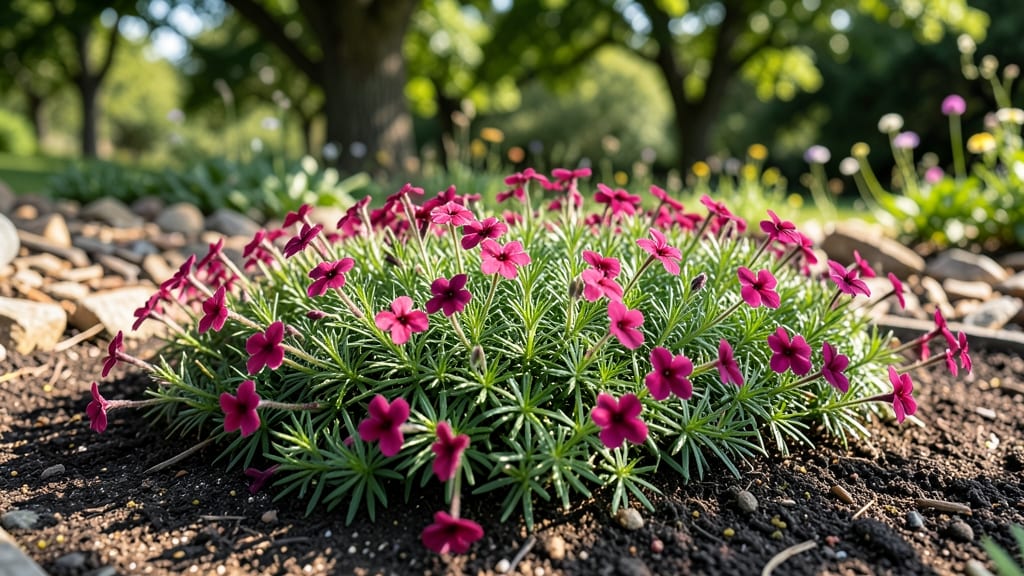
Creeping phlox is a perennial, not an annual, because its underground runners regrow each spring in USDA zones 3–8, producing vibrant blooms year after year with proper care and minimal effort.
This perennial beauty thrives because its rhizomatous root system stores energy over winter, unlike annuals that die completely after one growing season. 🌱 The key to its persistence lies in its ability to adapt—it goes dormant in cold months but revives with warmth, making it a low-maintenance garden staple.
Many gardeners mistake its early spring blooms for annuals, but its tenacious growth habit proves otherwise.
What truly sets creeping phlox apart is how it spreads naturally through underground stems, creating dense ground cover that suppresses weeds while returning annually. This makes it perfect for borders, slopes, or rock gardens where you want color without replanting.
The trade-off? It does need occasional thinning every 3-4 years to prevent overcrowding and maintain those show-stopping blooms.
💡 In This Article
- Why Creeping Phlox Survives as a Perennial Plant
- Best Practices for Long-Term Creeping Phlox Growth
Why creeping phlox survives as a perennial plant
Creeping phlox's perennial nature stems from its specialized rhizomatous root system, which acts like a built-in energy reserve. Unlike annuals that complete their lifecycle in one season, this plant stores carbohydrates in its underground stems during winter dormancy—think of it as a natural battery recharging for spring.
These horizontal roots, called rhizomes, spread outward 2-3 inches per year, creating a dense network that revives when temperatures rise above 40°F in early spring.
The magic happens in how these rhizomes function. Each node contains dormant buds capable of sprouting new shoots, while the older sections provide stored nutrients.
This system allows creeping phlox to survive -30°F winters in zones 3-4, a feat most annuals can't match. 🌡️ The plant's ability to photosynthesize through its leaves even in cold snaps (down to 28°F) gives it an extra survival advantage, unlike true annuals that must complete their entire growth cycle before winter arrives.
What sets creeping phlox apart from annuals is its seasonal adaptation cycle. In late summer, it enters a semi-dormant state where growth slows but roots remain active, preparing for winter.
By early spring, these rhizomes send up fresh shoots while the previous year's foliage withers—this staggered growth ensures continuous blooms without the need for replanting.
The contrast with annuals couldn't be starker: while marigolds or zinnias complete their entire life cycle in one season, creeping phlox simply resets its biological clock each year.
This perennial growth habit explains why gardeners often see creeping phlox returning year after year without extra effort.
The plant's natural spread through rhizomes creates a self-sustaining system where each plant becomes a mini-colony. 🌱 Even if you forget to plant it again, those underground runners will push through the soil when conditions are right—this persistence is what makes it a gardener's favorite for low-maintenance ground cover.
The science behind this persistence lies in the plant's cold acclimation process. As temperatures drop, creeping phlox increases production of protective sugars and proteins in its cells, similar to how maple trees prepare for winter.
These compounds act as antifreeze, preventing cell damage during freezing. Meanwhile, its shallow root system stays just deep enough to access moisture while avoiding the deepest frost pockets where annuals would perish.
Consider this comparison: A creeping phlox plant might produce 50-100 stems in its first year, but those stems connect to a rhizome network that could span 1-2 feet in diameter by year three.
This underground expansion explains why creeping phlox often looks like it's "taking over"—it's not being invasive, it's simply fulfilling its perennial growth pattern.
The plant's ability to reallocate resources between above-ground blooms and below-ground storage makes it uniquely resilient compared to annuals that must allocate all their energy to seed production in one season.
What most gardeners don't realize is how this perennial growth affects the plant's flowering cycle. The energy stored in rhizomes during summer allows creeping phlox to produce earlier and more abundant blooms than annuals, which must wait for full seasonal growth before flowering.
This explains why you'll often see creeping phlox blooming in late April or early May—well before many annuals even emerge from seed. 🌸 The trade-off?
Its flowering period is typically shorter (4-6 weeks) compared to annuals that may bloom for months, but the trade-in is years of reliable color without replanting.