
Flowers
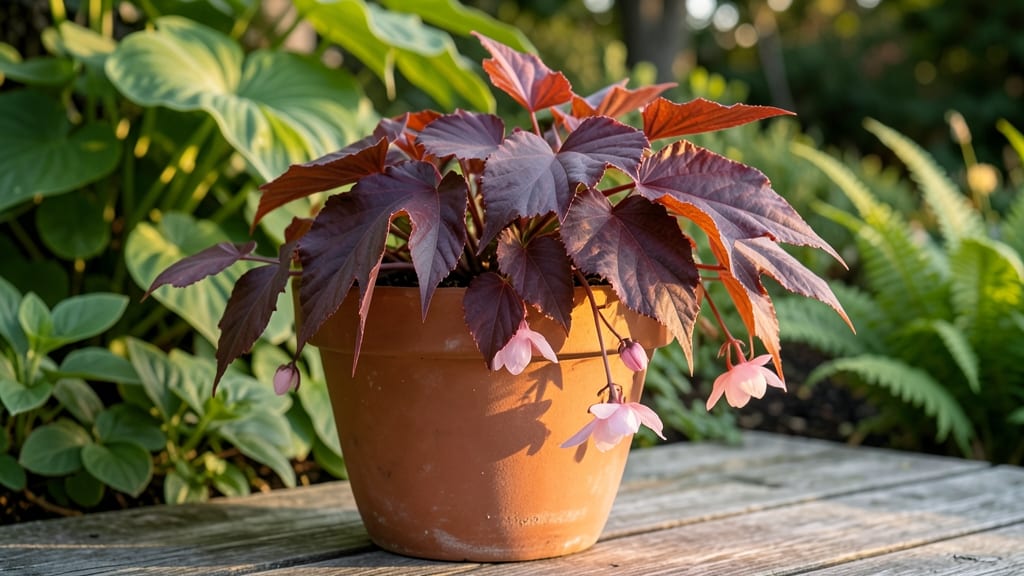
Dragon wing begonias behave like annuals in cold climates because they die back completely each winter, but they're actually tender perennials that regrow from tubers or basal shoots when spring arrives. Their long-term survival hinges on how well they handle frost and winter conditions.
These plants thrive in warm climates where they naturally persist year-round, but in cooler regions, they retreat underground to survive. 🌱 The key difference between true annuals and dragon wing begonias is their ability to regenerate from dormant tubers—if you can protect those tubers through winter, you're essentially giving your plant a second chance every spring.
Many gardeners treat them as annuals out of convenience, but with proper care, they can live for years.
What sets dragon wing begonias apart is their growth cycle: they focus energy on producing vibrant foliage during the growing season and then shift to storing nutrients in tubers when temperatures drop.
This adaptation explains why they look dead in winter but bounce back so dramatically in spring—it's all part of their survival strategy.
💡 In This Article
- Why Dragon Wing Begonias Die Back Each Winter
- Extending Dragon Wing Begonia Lifespan Through Winter Care
Why dragon wing begonias die back each winter
Dragon wing begonias enter dormancy because they're tender perennials—plants that can't tolerate freezing temperatures. When nighttime temps drop below 40°F, their above-ground foliage blackens and wilts as cells rupture from frost damage.
Unlike hardy perennials (like hostas or daylilies), these begonias lack cold-resistant adaptations in their leaves or stems. Their survival strategy shifts entirely underground, where stored nutrients in woody tubers (not true bulbs) sustain them through winter.
The tuber system is their secret weapon. These thickened underground stems contain starch reserves built during summer growth, similar to how dahlias or cannas operate. When spring arrives and soil temps reach 55-60°F, hormonal signals trigger new shoot growth from the tuber's basal buds.
This regrowth happens before any leaves appear above ground—a key difference from true annuals, which must start from seed every year. The tuber's protective bark-like layer prevents desiccation during dormancy.
What most gardeners miss is the temperature threshold for dormancy. Dragon wing begonias begin preparing for winter when average nighttime temps stay below 50°F for 2-3 weeks. This triggers chlorophyll breakdown in leaves (turning them brown) while redirecting nutrients to the tuber.
The process mirrors deciduous trees, but occurs at warmer thresholds—begonias can't handle what maples or oaks endure. Their tropical origins mean they're adapted to warm-season growth rather than cold adaptation.
Comparing them to true annuals reveals their clever strategy. Annuals like marigolds complete their entire lifecycle in one season, producing seeds before dying. Dragon wing begonias pause rather than die—like a bear in hibernation. The tuber's meristematic cells remain alive but metabolically inactive until warm soil signals regrowth.
This explains why you might see new shoots emerging when soil reaches 65°F, even if air temps are still chilly.
Here's the botanical twist: their "death" is temporary. While the foliage appears dead, the tuber's respiration rate drops to near-zero during dormancy, conserving energy. This is why proper winter storage (cool 40-50°F temps with 60-70% humidity) can extend their lifespan for 5-10 years or more.
The tuber's longevity comes from its ability to regenerate new shoots annually from the same storage organ.
Visualize their cycle: Summer growth → Fall nutrient storage → Winter dormancy → Spring regrowth. This three-phase pattern is why they act like annuals in cold climates but are perennials in warm zones. The key difference? Tuber survival—not seed production—determines their perennial status. 🌱