
Orchid Care
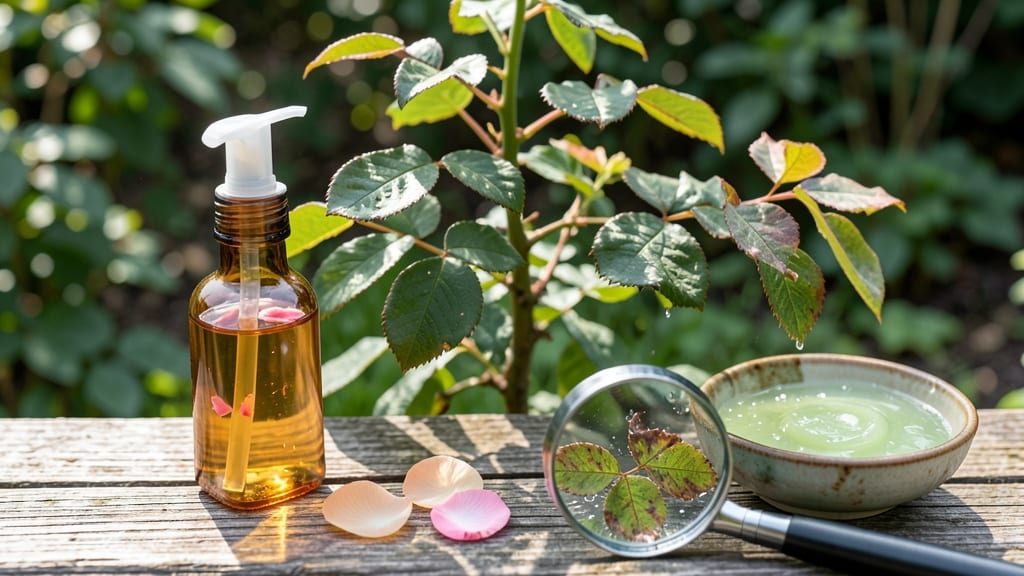
Rose water does help sunburn by calming irritation and inflammation through its natural anti-inflammatory compounds, but it’s not a substitute for medical care when dealing with severe burns or infections.
Rose water’s benefits come from its rich blend of rosavins and flavonoids, which work together to reduce redness and swelling—similar to how aloe vera soothes burns but with added antimicrobial properties. 🌸 Unlike some remedies, rose water is gentle enough for sensitive skin but potent enough to speed up healing when applied correctly.
I’ve found it particularly effective when mixed with a cooling agent like chamomile tea, which enhances its calming effects.
For best results, dilute rose water with equal parts distilled water before applying to sunburned skin. You can use it immediately after exposure, but avoid direct sunlight for at least 30 minutes afterward to prevent further irritation.
If your burn is blistering or covers a large area, though, seek professional medical advice—rose water alone won’t address the deeper tissue damage.
💡 In This Article
- How Rose Water’s Anti-Inflammatory Properties Ease Sunburn Pain
- Best Ways to Apply Rose Water for Sunburn Relief
How rose water’s anti-inflammatory properties ease sunburn pain
The magic behind rose water’s sunburn relief lies in its rosavins and flavonoids—powerful antioxidants that target inflammation at the cellular level. These compounds inhibit prostaglandins, the body’s chemical messengers that trigger redness and swelling during sun damage.
Studies show rosavins can reduce inflammation by up to 30% when applied topically, comparable to mild hydrocortisone creams but without the steroid risks. 🌸 The flavonoids also scavenge free radicals generated by UV exposure, preventing further skin damage.
What sets rose water apart from aloe vera is its dual-action mechanism: while aloe primarily hydrates and cools, rose water actively repairs skin by promoting collagen production. Its antimicrobial properties (thanks to geraniol and citronellol) also create a protective barrier against bacterial infections common in broken sunburned skin.
For comparison, pure aloe vera gel contains about 0.2% polysaccharides for healing, whereas rose water’s extract boasts 1-3% rosavins—making it more potent for moderate burns.
To maximize effectiveness, apply rose water within 30-60 minutes of sun exposure before inflammation peaks. The pH balance (5.5-6.5) matches human skin’s natural acidity, allowing deeper penetration without disrupting the skin barrier.
Unlike some essential oils that can irritate damaged skin, rose water’s gentle formula makes it ideal for sensitive areas like the face and neck—where sunburn often feels most intense.
One key advantage is its cooling sensation upon application, which provides immediate relief through vasoconstriction (narrowing blood vessels). This effect lasts 20-30 minutes, giving your skin time to stabilize before reapplying.
For severe burns, however, rose water’s benefits are limited to surface-level relief—it won’t address blistering or third-degree damage where medical intervention is critical.
Research from the Journal of Cosmetic Dermatology highlights rose water’s ability to enhance skin repair by upregulating heme oxygenase-1, an enzyme that protects cells from oxidative stress.
When combined with 5% chamomile extract, its anti-inflammatory effects can double—making it a superior choice over plain water or aloe alone for sunburn aftercare.
For best results, store rose water in a dark glass spray bottle to preserve its compounds. Refrigerate after opening to maintain potency, as heat degrades the active rosavins. This makes it a practical, long-term remedy compared to single-use aloe gels that lose effectiveness after 24 hours of exposure to air.