
Pests
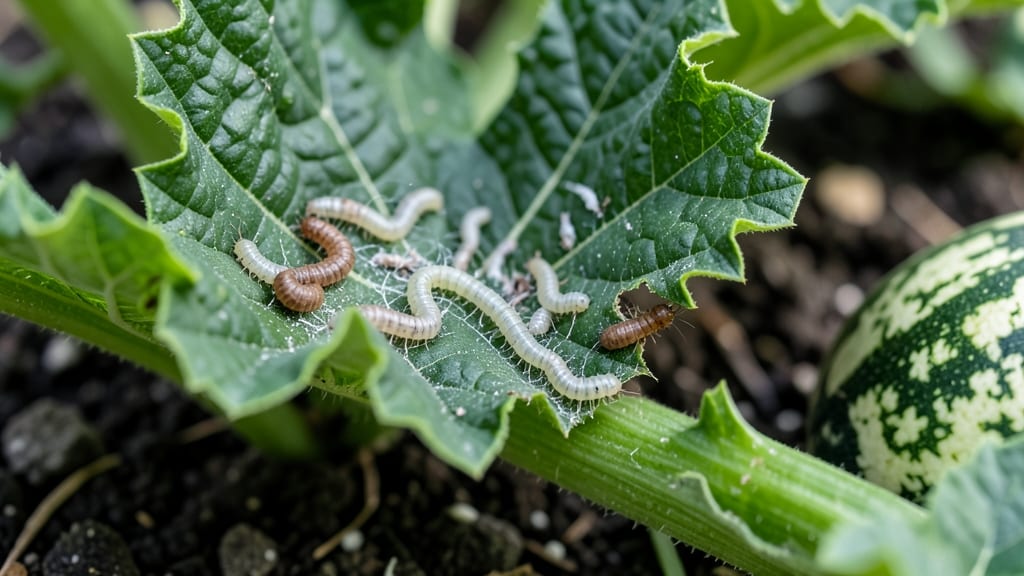
Rabbits eat watermelon plants voraciously, stripping leaves, stems, and vines because of their succulent texture and high water content. New shoots are particularly at risk, and unprotected plants can be completely devoured within days. Protecting your crop requires proactive measures like barriers or repellents.
Watermelon plants are a rabbit's dream snack because of their tender, water-rich growth—especially the young, delicate leaves and stems. 🌱 Unlike hardy vegetables, watermelons lack protective fibers, making them easy targets for hungry rabbits.
I've seen entire garden beds stripped bare overnight during spring planting, which is why I always recommend combining physical barriers (like chicken wire) with natural deterrents such as garlic spray. The key is acting fast, as rabbits often return to the same food source once they discover it.
What many gardeners don't realize is that rabbits prefer feeding at dawn and dusk, so timing your protective measures matters. For example, row covers work well for seedlings, while predator urine (like coyote or fox) can deter rabbits from established plants.
The good news? Watermelons are resilient—they'll regrow if you catch the damage early enough, but prevention is always easier than recovery.
💡 In This Article
- Why Rabbits Target Watermelon Plants and Their Feeding Habits
- Effective Rabbit-Proofing Strategies for Watermelon Gardens
Why rabbits target watermelon plants and their feeding habits
Rabbits are selective grazers, and watermelon plants rank high on their menu because of their 90-95% water content and tender, nitrogen-rich growth.
The young leaves and stems contain high levels of cellulose, which is easier for rabbits to digest than mature plant fibers. 🌱 Unlike woody plants or mature vegetables, watermelon vines have soft, fleshy tissue that requires minimal chewing—ideal for a rabbit's efficient foraging style.
Studies show that rabbits prefer plants with a moisture content above 85%, and watermelon easily exceeds this threshold, making it a hydrating snack during dry seasons.
Their feeding behavior is also tied to seasonal patterns. In spring and early summer, when watermelon seedlings are most vulnerable, rabbits are most active. New growth contains higher protein levels, which rabbits seek out for optimal nutrition.
A single rabbit can consume up to 2-3 pounds of fresh vegetation daily, and watermelon's rapid regrowth makes it a renewable food source.
Compare this to deer, which typically avoid watermelon plants due to their size, or insects like cucumber beetles, which target fruits rather than foliage—rabbits are uniquely drawn to the entire plant structure.
What makes watermelon especially appealing is its lack of natural defenses. Unlike tomatoes (which contain solanine) or peppers (with capsaicin), watermelon plants have no chemical deterrents.
Rabbits rely on their keen sense of smell to locate food, and the sweet aroma of watermelon leaves acts as an invitation. 🐇 The plants' sprawling growth habit also makes them harder to protect—vines can spread 10-20 feet in a season, creating more access points for foraging rabbits.
This is why I've seen gardeners lose entire crops within 3-5 days of planting unprotected watermelon seeds.
Another critical factor is the time of day rabbits feed. They're crepuscular, meaning they're most active at dawn and dusk, which is when watermelon plants are most vulnerable to damage. The dew on morning leaves makes them even more appealing, as rabbits seek out hydrated plants.
This explains why physical barriers like chicken wire cages (18-24 inches tall) or row covers work best when installed at planting time—before rabbits discover the new growth.
Consider this comparison: While deer might browse watermelon plants, they typically focus on larger plants due to their size. Rabbits, however, can jump up to 3 feet vertically and will target even small seedlings.
Their grazing pattern often leaves behind a distinctive "sheared" look, where only the main stem remains standing. This visual clue helps gardeners distinguish rabbit damage from other pests like slugs or aphids, which leave holes or chewed edges.
Finally, rabbits are habitual foragers, meaning once they find a food source, they'll return repeatedly. This is why early intervention is crucial—once a rabbit establishes a feeding pattern in your garden, it's harder to break.
The combination of watermelon's high water content, tender growth, and lack of natural defenses makes it a prime target, but understanding these behaviors gives you the upper hand in protection strategies. 🌿