
Watering
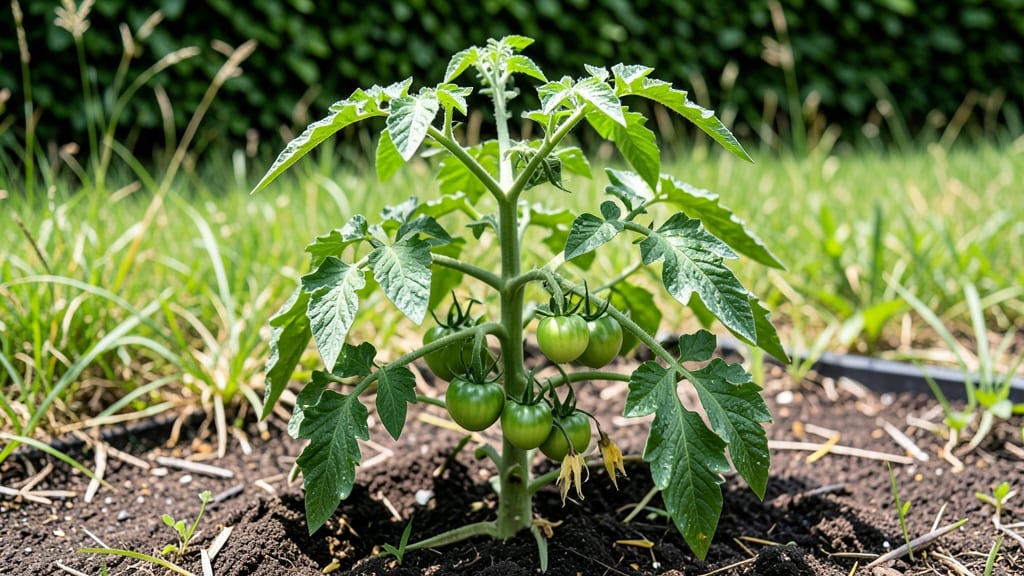
Leaves do curl when overwatered because excess moisture suffocates roots, cutting off oxygen and nutrients while triggering stress responses like ethylene gas buildup. You'll often see yellowing, wilting, or a mushy stem base alongside the curling. Act fast by draining excess water and cutting back on watering frequency to save your plant.
This happens because overwatered soil creates anaerobic conditions, where roots can't breathe properly. 🌱 When roots suffocate, they struggle to absorb water and nutrients, causing cells to lose turgor pressure—the same mechanism that makes leaves wilt or droop.
The plant's natural stress response then triggers curling as a way to reduce water loss while it tries to recover. Even worse, the excess moisture can lead to fungal infections or root rot if not addressed quickly.
I've seen this happen most often with container plants, where water pools at the bottom without proper drainage.
What's interesting is that different plant types react differently—some may just droop while others curl dramatically. For instance, ferns and calatheas are particularly sensitive to overwatering, showing curling almost immediately, while succulents might just turn yellow before their leaves curl.
The key is always checking the soil moisture with your finger before watering—if the top inch feels damp, hold off until it's dry to the touch.
💡 In This Article
- Why Overwatering Causes Leaf Curl in Plants
- How to Fix Overwatered Plants and Prevent Future Damage
Why overwatering causes leaf curl in plants
The root of the problem—literally—starts with suffocated roots. When soil stays too wet, oxygen levels drop dramatically, creating what scientists call "anaerobic conditions." Roots need oxygen to perform cellular respiration, which produces the energy they use to absorb water and nutrients. Without it, roots essentially "drown," unable to function properly.
This oxygen deprivation triggers a cascade of stress responses, including the production of ethylene gas—a plant hormone that signals distress. Ethylene causes cells to lose their rigidity, leading to that classic curled appearance as leaves try to conserve moisture.
What's happening at the cellular level is fascinating: excess moisture causes root cells to swell and burst, damaging their structure. This damage disrupts the plant's vascular system, which transports water and nutrients from roots to leaves.
Without proper nutrient delivery, leaf cells lose turgor pressure—the internal water pressure that keeps them plump and straight.
When turgor pressure drops below a critical threshold (around 15-20% of normal levels), leaves curl inward as a survival mechanism to reduce surface area and minimize water loss through transpiration. 🌿 This curling is essentially the plant's way of saying, "I'm in trouble—help me conserve resources!"
Different plant types react to this stress in unique ways. For example, tropical plants like calatheas and ferns often show dramatic curling because their large, delicate leaves are highly sensitive to moisture imbalances. On the other hand, hardier plants might just droop or develop yellow spots before curling becomes noticeable.
The speed of reaction also varies: some plants show symptoms within hours of overwatering, while others may take days. This variability is why it's crucial to monitor soil moisture rather than sticking to a rigid watering schedule.
A simple finger test—inserting your finger 1-2 inches into the soil—can reveal whether moisture levels are healthy or problematic.
Another critical factor is how quickly excess moisture leads to secondary issues. When roots suffocate, they become prime targets for fungal infections like Pythium or Phytophthora, which thrive in waterlogged conditions. These pathogens attack damaged roots, further disrupting nutrient uptake and accelerating leaf curl.
The stem base often becomes mushy or discolored as these infections spread upward. In severe cases, the entire plant may collapse if the root system is completely compromised. This is why acting within the first 24-48 hours of noticing curled leaves can make all the difference in saving your plant.
Consider the case of a potted monstera plant: if left sitting in saucers of standing water, its large, glossy leaves will start curling at the edges within a few days.
The curling begins as a subtle upward roll, but if ignored, the entire leaf may become crispy and brown at the edges. This progression happens because the plant's natural stress response—ethylene production—intensifies as root damage worsens. The good news?
Many plants can recover if you address the overwatering quickly and provide proper drainage. The key is catching the problem early, before secondary infections take hold.
Understanding this process helps explain why some plants recover more easily than others. Succulents, for instance, have evolved to store water in their leaves and stems, giving them a buffer against overwatering. Their curling is often a last-resort survival tactic before they shed damaged leaves entirely.
In contrast, moisture-loving plants like peace lilies or philodendrons will show curling almost immediately when their roots can't keep up with their water needs. This difference in resilience highlights why knowing your plant's native growing conditions is essential for proper care.