
Orchid Care
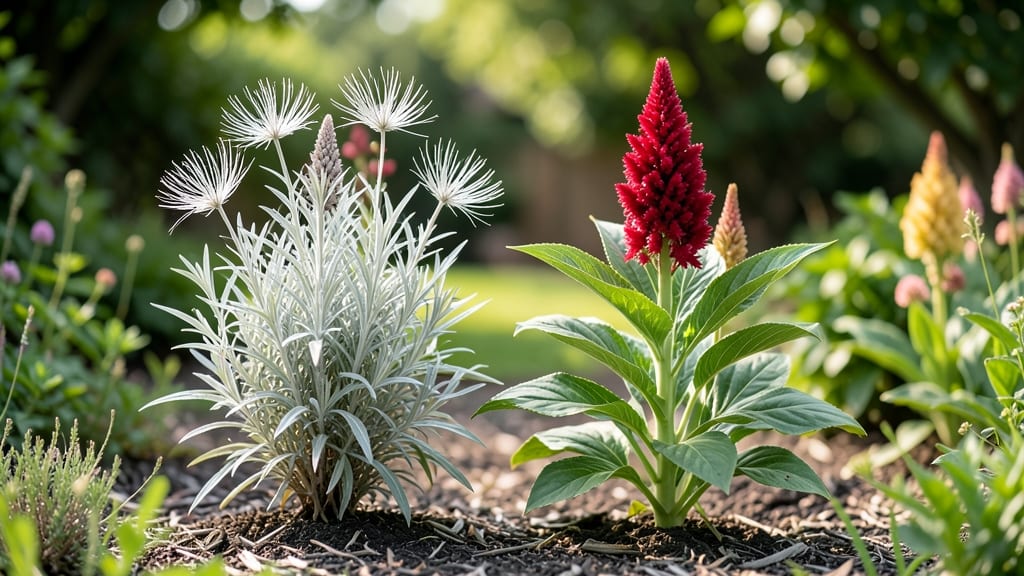
Determining whether celosia is annual or perennial depends on your climate: most varieties die back completely after flowering in cooler regions, while tropical types can survive as short-lived perennials with proper winter protection. Their lifespan hinges on frost tolerance and seasonal temperature shifts.
Celosia's growth cycle reveals a fascinating adaptation to climate. In temperate zones, these vibrant plants complete their life cycle in one season, producing stunning blooms before frost triggers their demise. 🌿 However, tropical varieties often persist through mild winters if you protect their roots with mulch or move them indoors.
The key difference lies in their ability to withstand cold snaps—annual types simply can't handle frost, while hardier varieties might regrow if their root systems survive.
For gardeners in marginal climates, the distinction matters most during winter planning. Even "perennial" celosia may need temporary shelter to avoid freeze damage. I've found that container-grown plants adapt better to seasonal changes, giving you more control over their environment.
Understanding these patterns helps you choose varieties that suit your local growing conditions.
💡 In This Article
- Why Celosia Dies Back: Climate and Growth Cycle Science
- Extending Celosia’s Life: Winter Care for Perennial-Like Varieties
Why celosia dies back: climate and growth cycle science
The core reason celosia acts as an annual in most regions comes down to its tropical origins and frost intolerance. These plants evolved in warm climates where temperatures rarely drop below 50°F (10°C).
When exposed to frost, their cells rupture due to ice crystal formation in their water-filled vacuoles—a process called cytoplasmic freezing. This irreversible damage occurs within minutes of temperatures reaching 32°F (0°C), causing the entire plant to collapse.
Tropical celosia varieties, like Celosia argentea, have slightly better cold tolerance but still struggle below 40°F (4°C). Their survival strategy differs from true perennials: instead of developing hardy root systems, they focus energy on rapid flowering and seed production before cold sets in.
This monocarpic habit (flowering once before dying) is common in short-lived plants that prioritize reproduction over longevity in harsh conditions.
Day length also plays a role. Celosia responds to photoperiod changes, with many varieties flowering more prolifically in shorter days—a trait called day-neutral photoperiodism. This means they'll bloom regardless of season length, but their growth slows dramatically when nights exceed 12 hours, signaling winter's approach.
The combination of cold sensitivity and photoperiod response creates their predictable annual lifecycle in temperate zones.
What makes some celosia behave like perennials? The answer lies in root survival. Tropical varieties can regrow from their root crowns if protected from frost for 3-4 months during winter. Their roots contain meristematic tissue that remains dormant but viable at temperatures above 45°F (7°C).
This is why mulching with 6-8 inches of straw or wood chips can extend their life by maintaining soil temperatures above freezing.
Consider the Celosia cristata 'New Look' series—these varieties often persist in USDA zones 10-11 where winters rarely drop below 40°F (4°C). Even in zone 9, they may survive with lightweight row covers during cold snaps.
The key difference from true perennials is their inability to endure prolonged freezing—they're more like short-lived perennials that need careful winter management.
For gardeners in marginal climates, the distinction matters most during winter planning. Even "perennial" celosia may need temporary shelter to avoid freeze damage. I've found that container-grown plants adapt better to seasonal changes, giving you more control over their environment.
Understanding these patterns helps you choose varieties that suit your local growing conditions.
🌱 The science shows that celosia's lifecycle is a delicate balance between tropical adaptation and seasonal survival strategies—making climate the ultimate deciding factor in whether they'll return year after year.