
Watering
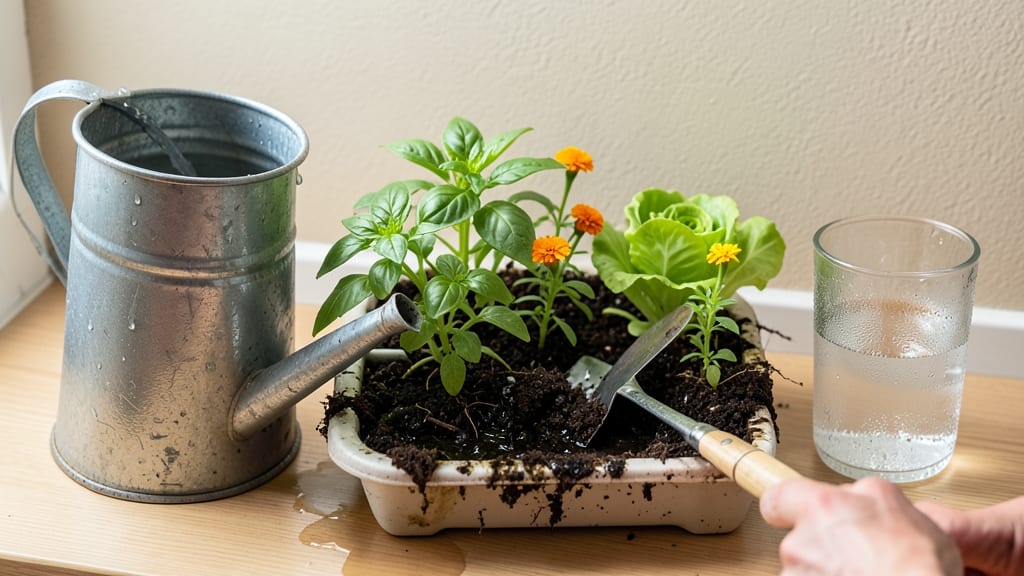
You can overwater seeds, and doing so leads to root rot, mold growth, and suffocation by cutting off oxygen, which prevents germination or kills seeds entirely. Excess moisture also encourages fungal infections like damping-off, causing seeds to rot or turn mushy.
Overwatering seeds creates a suffocating environment where roots can't breathe, leading to anaerobic conditions that halt growth. 🌱 The excess water also washes away essential nutrients from the soil, leaving seeds starved even if moisture remains.
I’ve seen trays develop a foul smell or gray fuzz from fungal spores when kept too wet—these are clear warning signs. For best results, aim for soil that’s damp but not soggy, and always use containers with drainage holes to prevent waterlogging.
If you suspect overwatering, act fast by removing excess moisture with a paper towel and repotting seeds in fresh, well-draining soil. Adding a thin layer of perlite or vermiculite helps improve aeration.
For severe cases, a mild fungicide spray can combat damping-off, but prevention through proper spacing and watering consistency is always better than fixing damage after it happens.
💡 In This Article
- How Overwatering Damages Seed Germination
- Signs of Overwatered Seeds and Immediate Fixes
How overwatering damages seed germination
When you overwater seeds, the soil becomes saturated, creating an environment where roots can't access the oxygen they desperately need. Seeds require oxygen for cellular respiration, the process that fuels their growth and development. Without it, the seed's metabolic functions slow down or stop entirely, halting germination.
This oxygen deprivation happens because water fills the spaces between soil particles, pushing out the air that roots rely on. Think of it like drowning—roots suffocate in waterlogged soil, unable to breathe or absorb nutrients effectively.
The damage doesn't stop at oxygen deprivation. Excess moisture also triggers anaerobic conditions, where harmful bacteria and fungi thrive. These microorganisms outcompete beneficial microbes and release toxins that weaken or kill seeds.
For example, Pythium and Phytophthora fungi, common in overwatered soil, produce enzymes that break down seed coatings, making them vulnerable to rot.
The soil's pH can also shift toward acidity, further stressing tender seedlings. 🌱 Even if seeds manage to sprout, they often emerge weak and leggy, struggling to support themselves in waterlogged soil.
Nutrient leaching is another critical issue. Water dissolves and washes away essential minerals like nitrogen, phosphorus, and potassium—nutrients seeds need to break dormancy and grow. Without these, seeds may sprout but fail to develop strong roots or leaves.
For instance, a tomato seed might crack open and send up a tiny shoot, only to wilt within days if the soil lacks proper nutrients and aeration. This is why overwatered seeds often appear "drowned"—they look healthy on the surface but are starving beneath.
Temperature plays a hidden role too. Waterlogged soil retains heat longer, creating a warmer microclimate that accelerates microbial activity. While seeds like peppers or eggplants thrive in warmth, excessive heat combined with moisture can cook the seeds or encourage mold growth.
The ideal soil temperature for germination is usually between 65-75°F, but overwatered soil can spike higher, especially in plastic trays or sealed containers. This is why many gardeners notice their seeds germinating too fast—only to rot shortly after.
Finally, overwatering disrupts the seed's natural hormonal balance. Gibberellins, hormones that trigger germination, require oxygen to function properly. Without it, these signals fail to activate, leaving seeds dormant or causing them to abort growth prematurely.
This is why even high-quality seeds may fail to sprout when overwatered—it's not just about moisture, but the delicate chemistry of life and death in the soil. 💫
Understanding these mechanisms helps explain why seeds often look fine on the surface but fail to thrive. The key takeaway? Balance is everything. Soil should feel like a damp sponge, not a soggy rag.
For most seeds, watering lightly every 2-3 days (or when the top inch feels dry) is ideal, with proper drainage to prevent waterlogging.