
Pests and Diseases
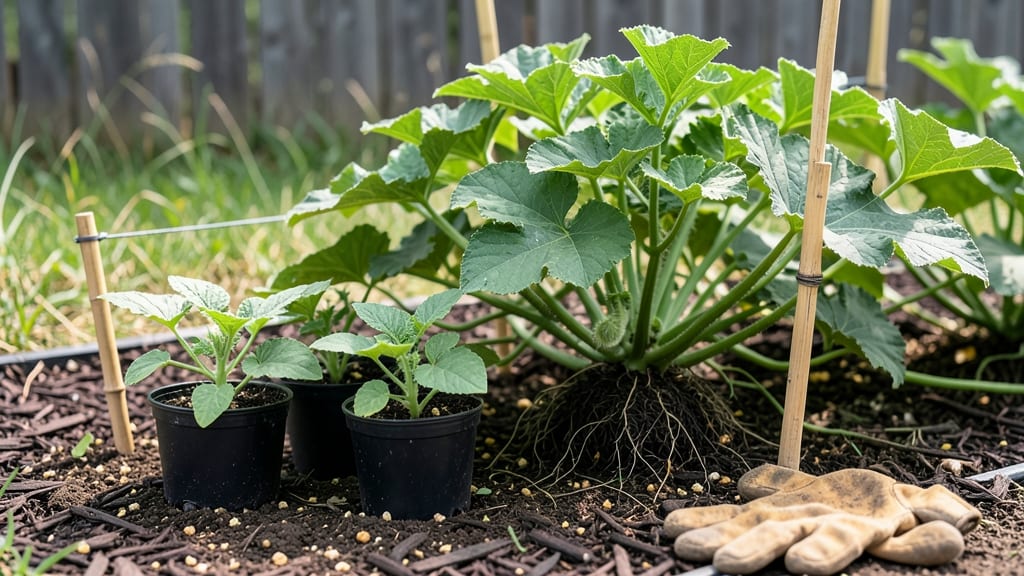
Yes, you can watermelon and cantaloupe be planted together in the same garden space since they share similar growing needs and don't compete heavily for nutrients. Proper spacing (6–8 feet apart) and pest monitoring for shared threats like cucumber beetles are essential for healthy growth and strong yields.
Both melons thrive in warm climates with full sun exposure and well-draining soil, making them ideal companions in the same garden bed. 🌞 The key to success lies in their root systems—watermelons spread wider while cantaloupes grow more compact, allowing them to coexist without stealing resources.
I've found that planting them in slightly different sections of the bed helps prevent cross-pollination issues while still capitalizing on their shared pest vulnerabilities.
When planning your layout, consider using raised beds or containers for cantaloupe to give watermelons more room to sprawl. This separation also makes it easier to spot early signs of pests like squash vine borers or aphids, which affect both plants similarly.
The trade-off? You'll need to keep a closer eye on moisture levels—cantaloupes prefer slightly drier soil than watermelons, so adjust your watering schedule accordingly.
💡 In This Article
- Growing Conditions for Watermelon and Cantaloupe
- Best Practices for Planting Watermelon and Cantaloupe Together
Growing conditions for watermelon and cantaloupe
Both watermelons and cantaloupes are warm-season crops that demand full sun exposure—at least 6-8 hours daily—to produce sweet, flavorful fruit. Their ideal temperature range overlaps perfectly: 70-90°F during the day and 60-70°F at night.
This similarity means they can thrive side by side without one outcompeting the other for heat. 🌡️ What’s fascinating is how their root systems adapt: watermelons develop sprawling, shallow roots that spread 3-4 feet wide, while cantaloupes grow deeper but more compact roots, typically 1-2 feet deep.
The soil requirements are nearly identical—both prefer well-draining, slightly acidic to neutral soil (pH 6.0-6.8) rich in organic matter. The key difference lies in their nutrient needs: watermelons are heavier feeders, requiring more nitrogen for vine growth, while cantaloupes benefit from phosphorus to boost flowering.
This means you can fertilize them with the same balanced 10-10-10 mix but may need to adjust timing—watermelons need more nitrogen early, while cantaloupes prefer phosphorus-heavy feeds as they fruit.
Water needs also align closely, though cantaloupes tolerate slightly drier conditions once established. Both plants require 1-2 inches of water per week, but watermelons need consistent moisture to prevent cracking, while cantaloupes can handle brief dry spells.
This shared watering schedule simplifies irrigation, but it’s critical to monitor soil moisture closely—overwatering can lead to blossom-end rot in cantaloupes or powdery mildew in watermelons, both of which thrive in humid conditions.
One often-overlooked factor is their shared vulnerability to soil-borne diseases like fusarium wilt. Since both plants are susceptible, rotating them out of the same spot every 3-4 years is essential to prevent buildup.
The good news? Their companion planting benefits extend beyond space-saving—their different growth habits create a natural airflow between plants, reducing humidity at the soil level and lowering disease risk for both. 🌿
For gardeners in cooler climates, timing becomes crucial. Cantaloupes are slightly more cold-tolerant and can handle 50°F soil temperatures for germination, while watermelons need at least 70°F. This means cantaloupes can often be planted 2-3 weeks earlier in spring, giving them a head start before the heat peaks.
In fall, cantaloupes may also produce a second harvest if temperatures stay above 60°F.
Visually, their growth habits create a striking contrast: watermelons sprawl dramatically, sending out vines that can stretch 10-15 feet if unchecked, while cantaloupes stay more contained, typically reaching 3-5 feet in diameter.
This difference allows them to share space without shading each other excessively—watermelons can be placed on the perimeter, while cantaloupes thrive in the center of the bed.