
Orchid Care
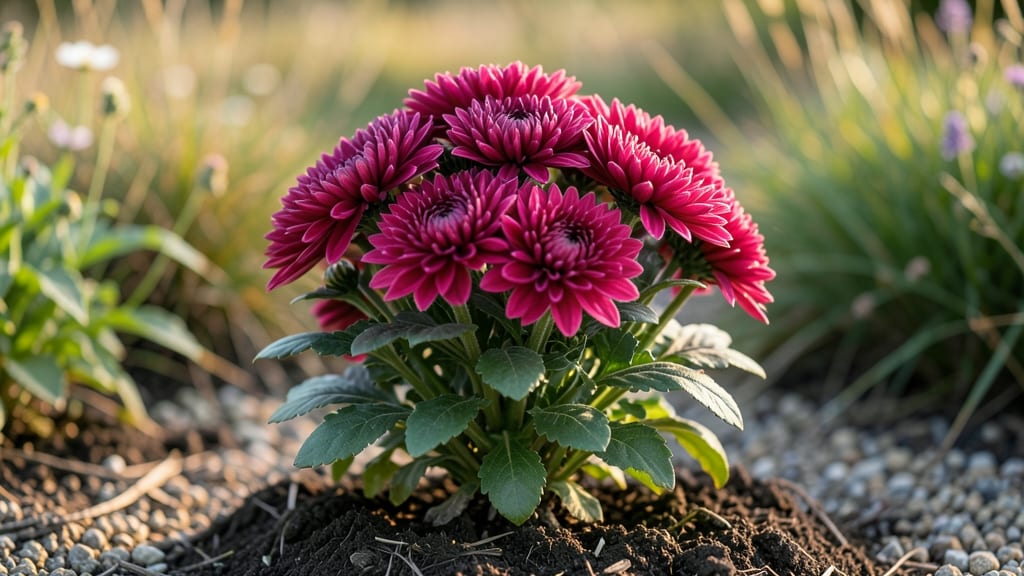
Belgian mums act as annuals in colder regions but can thrive as perennials in USDA Zones 7-10 when given proper winter protection like mulching and frost barriers.
Whether your Belgian mums live for one season or return year after year depends on where you garden. 🌱 In colder climates, their delicate root systems struggle with freezing ground, forcing them to complete their life cycle annually.
However, gardeners in milder zones (like Southern California or Georgia) often coax these vibrant bloomers back each spring with thick mulch layers and protective covers during harsh winter nights. The key difference lies in root insulation—perennial Belgian mums need their roots to stay above 20°F to survive dormancy.
What's fascinating is how different varieties respond. Some newer hybrids handle cold better than traditional types, while others simply refuse to rebloom after winter exposure.
I've seen gardeners in Zone 6 successfully overwinter them by planting in containers and moving them to unheated garages during freezes—a technique that transforms annuals into perennial showstoppers. The trade-off? More effort, but the payoff of returning blooms makes it worth it for many enthusiasts.
💡 In This Article
- How Belgian Mums Survive Winter in Cold Zones
- Extending Belgian Mum Lifespan in Freezing Climates
How Belgian mums survive winter in cold zones
Belgian mums (Chrysanthemum × morifolium) are technically perennials in their native Asia, but their cold tolerance varies dramatically based on root hardiness.
The key factor is their root zone temperature—these plants enter dormancy when nighttime temps drop below 50°F, but their roots need protection against prolonged exposure to 20°F or lower.
In colder climates (USDA Zones 1-6), the ground freezes solid, killing the roots and forcing the plant to complete its life cycle annually. The roots themselves can survive brief cold snaps down to 15°F if dry, but consistent freezing moisture turns them to mush—like overcooked pasta losing its structure.
What makes this fascinating is how the plant's growth habit changes with temperature. During warm seasons, Belgian mums grow vigorously, storing energy in their fibrous roots. But when winter arrives, their leaves yellow and die back to conserve energy.
The real battle happens underground: insulated roots (protected by mulch or snow) can regenerate in spring, while exposed roots suffer frost heave or desiccation.
Think of it like a hibernating bear—if the den isn't warm enough, the bear doesn't wake up. 🐻 For Belgian mums, that "den" is their root zone.
Soil type plays a crucial role too. Sandy soils drain quickly but offer little insulation, while clay holds moisture and provides natural protection. The ideal scenario is a well-draining but moisture-retentive soil with 3-4 inches of organic mulch (like straw or shredded leaves) acting as a thermal blanket.
This creates a 5-10°F warmer microclimate at the root level—enough to prevent lethal freezing. Without this protection, even Zone 7 gardeners might lose their plants to sudden cold snaps.
There's also the variety factor. Some Belgian mum hybrids (like 'Annie' or 'Bright Lights') are bred for better cold tolerance, while others (like 'Polar Bear') struggle below Zone 5.
The difference comes down to selective breeding for cold-acclimated rootstock—similar to how some apple trees survive colder winters than others. Gardeners in marginal zones often experiment with late-summer planting (after August 15) to give roots more time to establish before winter, though this isn't foolproof.
Here's what happens when winter protection fails: The roots freeze, cellular membranes rupture, and the plant can't regenerate in spring. You'll notice brown, mushy roots instead of firm white ones when you dig. The good news?
Even in cold zones, you can still grow Belgian mums as seasonal perennials by digging up tubers in fall and storing them in 50-60°F conditions until spring—though this requires more effort than simply mulching in place. 🌿
The science behind this involves cryoprotection—the plant's natural antifreeze compounds. As temperatures drop, Belgian mums produce more sugars and proteins that lower their cellular freezing point, much like how salt melts ice on roads.
But this mechanism has limits: prolonged exposure to -5°F or lower will still damage even the hardiest varieties. That's why gardeners in Zones 7-10 have the best chance of perennial success—they're in the "Goldilocks zone" where winter protection can keep roots just warm enough to survive.