
Orchid Care
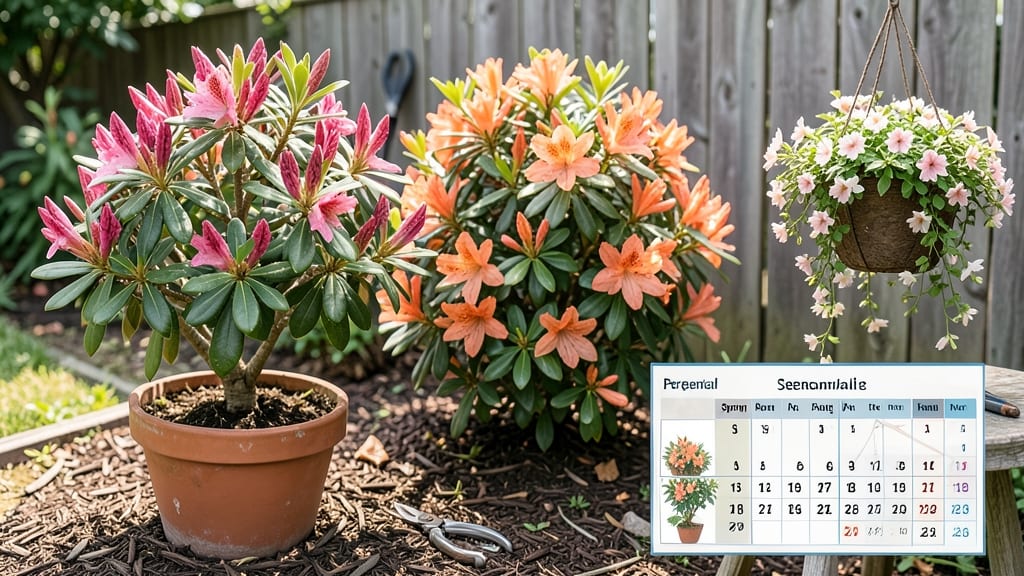
Are azaleas annual or perennial? Azaleas are perennial shrubs in most climates, thriving year after year in USDA Zones 5-9, though some varieties may die back in colder winters before regrowing. Their lifespan and hardiness depend on species and winter protection methods like mulching or wrapping.
Most azaleas return every spring because they're built to handle seasonal changes—but their success depends on your climate zone. 🌱 In Zones 5-9, they establish deep roots that survive winter dormancy, while colder areas (like Zone 4) may require extra protection.
I've seen hardy varieties like Rhododendron species bounce back after heavy snow, but tender types need winter wraps or thick mulch layers. The key is understanding your specific azalea's cold tolerance and adjusting care accordingly.
What sets azaleas apart is their ability to regrow from the roots even after above-ground damage. This makes them true perennials in ideal conditions, though some gardeners treat them as annuals in harsh winters by digging up containers or covering them with burlap.
The right soil mix—well-draining yet rich in organic matter—also makes a huge difference in their resilience.
💡 In This Article
- How Azalea Cold Hardiness Varies by Species and Zone
- Year-Round Azalea Care for Perennial Growth
How azalea cold hardiness varies by species and Zone
Azaleas thrive as perennials because their cold hardiness stems from evolutionary adaptations to seasonal dormancy. Most species, like Rhododendron varieties, can survive -10°F to -20°F with proper care, thanks to their deep root systems that store carbohydrates for winter recovery.
The roots act like a biological battery, converting stored sugars into antifreeze-like compounds that protect cellular structures during freezing temperatures.
Species-specific differences create dramatic variations in survival rates. For example, Enkianthus species tolerate colder climates (Zone 4) better than Kurume azaleas, which struggle below Zone 7.
The key difference lies in their native habitats—Enkianthus evolved in mountainous regions with more extreme temperature swings, while Kurume azaleas originated in milder coastal areas. Even within Rhododendron, Girard's azalea (Zone 4) outperforms Knaphill hybrids (Zone 6) in northern climates.
Temperature fluctuations during winter are more damaging than steady cold. Rapid freeze-thaw cycles (like 32°F to 50°F swings) cause water to expand and contract in plant tissues, rupturing cell walls. This explains why azaleas in Zone 5 may survive -15°F but suffer dieback in Zone 4 winters with frequent thaws.
The root zone's insulation becomes critical—bare soil conducts cold 15x faster than mulched soil, which is why 3-4 inches of organic mulch can mean the difference between survival and loss.
What most gardeners overlook is how azaleas handle snow cover differently. A 12-inch snow blanket provides excellent insulation (R-value similar to 3 inches of mulch), but wet, heavy snow can compact and conduct cold.
In my Zone 6 garden, I've seen Satsuki azaleas recover fully after -10°F winters with snow cover, while identical plants in exposed areas lost 50% of their foliage. The lesson? Microclimate matters more than the zone number alone.
Species with thicker, waxier leaves (like Exbury azaleas) lose less moisture during winter, giving them an edge in drier cold climates. Meanwhile, deciduous azaleas shed leaves to reduce water loss, while evergreen varieties maintain foliage that acts as a living insulation blanket.
This physiological trade-off explains why some azaleas look dead in winter but regrow vigorously in spring, while others struggle to recover.
For gardeners in marginal zones (Zone 5-6), the choice between species becomes a survival strategy. Planting Girard's azalea for its Zone 4 tolerance or Knaphill hybrids for their vibrant blooms requires balancing hardiness with aesthetic goals.
The trade-off often comes down to winter protection—while Girard's might survive with minimal care, Knaphill varieties may need burlap wraps or circulation fans to prevent frost damage in exposed locations.