
Plants
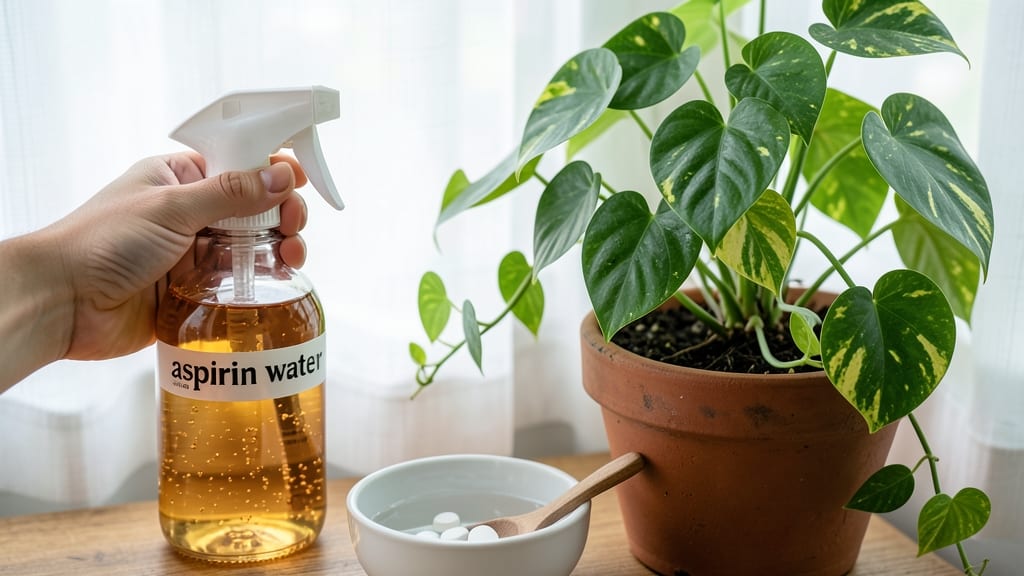
Using aspirin water for plants can enhance growth by stimulating root systems and building stress resistance, especially when applied as a diluted foliar spray or soil treatment at a ratio of 1 crushed aspirin per gallon of water. Use it every 4-6 weeks, but avoid excessive application or exposing plants to direct sunlight afterward.
This simple garden hack works because aspirin contains salicylic acid, a natural plant hormone that triggers defense mechanisms against pests and environmental stressors. 🌱 When applied correctly, it mimics the plant's own signaling pathways, helping them grow stronger roots and recover faster from damage.
I've seen dramatic improvements in my herb garden—especially basil and mint—when using this method during their growing season. The key is consistency without overdoing it, as too much can actually harm tender foliage.
For best results, I recommend starting with a small batch—crush 1 aspirin tablet in 1 gallon of water and let it dissolve completely before applying. Use a spray bottle for delicate plants or water it directly into the soil for heartier varieties.
Always test on a small area first, and never apply during peak sunlight hours to prevent leaf scorch.
💡 In This Article
- How Aspirin Boosts Plant Health: Science Behind the Solution
- Safe Aspirin Water Application Guide for Different Plant Types
How aspirin boosts plant health: science behind the solution
At the heart of aspirin's plant-boosting power lies salicylic acid, a naturally occurring plant hormone that regulates growth and defense responses. When you dissolve aspirin in water, you're essentially creating a concentrated dose of this compound that plants can absorb through their leaves or roots.
Salicylic acid acts as a signaling molecule, triggering what scientists call systemic acquired resistance (SAR)—a plant's immune system activation similar to how vaccines work in animals. This mechanism helps plants fend off pathogens, pests, and even environmental stressors like drought or extreme temperatures.
The concentration matters significantly—too little won't trigger responses, while too much can overwhelm plant cells. A 1 crushed aspirin per gallon ratio delivers approximately 0.35 grams of salicylic acid per gallon, which research shows is optimal for most plants.
For comparison, natural plant concentrations of salicylic acid typically range from 0.1 to 10 micrograms per gram of plant tissue, so this solution provides a mild but effective boost.
The acid also promotes cell elongation in roots, which explains why many gardeners notice thicker, more robust root systems after application.
What makes this particularly fascinating is how salicylic acid mimics natural plant signaling pathways. When plants detect stress—like insect damage or fungal infection—they produce salicylic acid internally to activate defense genes. By introducing this compound externally, you're essentially giving plants a head start in their natural defense mechanisms.
This is why aspirin water works particularly well during transplant shock or when introducing new plants to your garden, as it helps them establish faster and recover more quickly from stress.
However, the effects aren't instant. Salicylic acid works through a multi-step biochemical process that typically takes 24-72 hours to fully activate. During this period, plants begin producing protective proteins and antioxidants that neutralize free radicals caused by environmental stressors.
The result is stronger cell walls, improved nutrient uptake, and enhanced photosynthesis efficiency—all of which contribute to healthier, more vigorous growth. This explains why consistent applications every 4-6 weeks yield the best long-term results rather than one-time treatments.
The science also explains why timing matters so much. Applying aspirin water during early morning or late afternoon (when temperatures are cooler) prevents rapid evaporation and allows the solution to be fully absorbed before the plant's stomata close.
Direct sunlight after application can cause the water to evaporate too quickly, leaving concentrated aspirin residues that may burn tender foliage. The optimal application window is when relative humidity is above 60%, creating ideal conditions for absorption.
For visual learners, imagine this process like giving your plants a natural immune booster shot. Just as athletes use supplements to enhance performance, plants benefit from this biochemical support system.
The key difference is that aspirin water provides this boost in a fully organic, non-toxic way that's safe for both the plants and the environment. This makes it particularly valuable for organic gardeners who want to avoid synthetic chemicals while still promoting healthy growth patterns.
Interestingly, research published in the Journal of Plant Physiology found that salicylic acid treatments could increase plant yields by up to 20% in certain crops when applied at critical growth stages.
While your home garden won't see these dramatic results, the principle remains the same: by supporting your plants' natural defense systems, you're creating an environment where they can thrive more efficiently.
The beauty of this method lies in its simplicity—you're essentially helping plants do what they already know how to do, just with a little extra encouragement.