
Flowers
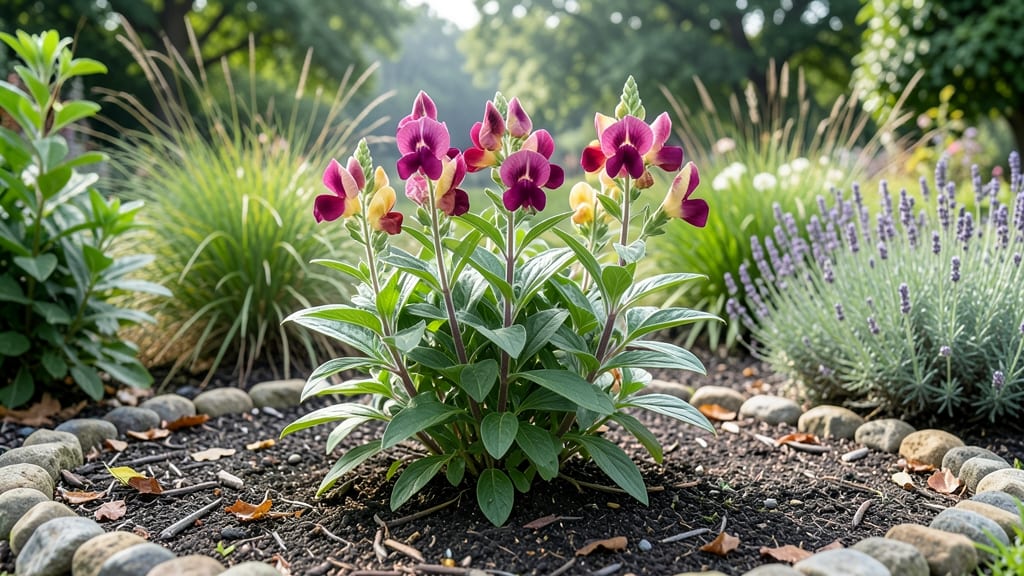
Snapdragons aren't true perennial flowers in most regions—they act like biennials or short-lived perennials in zones 7-11, often lasting 2-3 years before fading. Cold-resistant types may regrow from roots in mild winters, while tender varieties need annual replanting.
This means their lifespan depends heavily on your climate.
In warmer zones like Southern California or Florida, snapdragons often return year after year from their root systems, especially if protected by mulch. 🌱 However, in colder regions (zones 3-6), they typically complete their life cycle in one or two years unless you take special care to overwinter them.
Many gardeners treat them as annuals because of this unpredictability—though with the right techniques, you can coax them back for multiple seasons!
What makes this tricky is that snapdragons come in both cold-hardy and heat-sensitive varieties. The Antirrhinum majus species, for example, handles cooler temperatures better than tropical hybrids.
I always check the seed packet or plant tag for zone recommendations before committing to a garden spot—it saves a lot of heartache later!
💡 In This Article
- Snapdragon Lifespan by USDA Hardiness Zones
- Tips to Extend Snapdragon Growth Beyond One Season
Snapdragon lifespan by USDA hardiness zones
Snapdragons thrive as true perennials only in zones 7-11, where mild winters allow their deep root systems to survive frost.
The key difference lies in their root hardiness—while top growth may die back in cold snaps, the roots often remain dormant and regrow when temperatures rise above 40°F in spring.
In zone 10-11, snapdragons behave like perennials, returning reliably for 3-5 years with minimal care, while zone 7-8 varieties typically last 2-3 years before weakening.
In colder zones (3-6), snapdragons behave more like biennials, completing their life cycle in 1-2 years. The critical threshold is -10°F
Coastal regions often extend this range by 1-2 zones due to milder microclimates, while inland areas face harsher conditions. For example, snapdragons in Portland, OR (zone 8) may return yearly, while those in Denver, CO (zone 5) typically need annual replanting unless heavily mulched. The science behind this involves vernalization—a process where cold exposure triggers flowering in biennial plants. Many snapdragon varieties require this 30-60 day cold period at 35-45°F to bloom reliably. Without it, they may produce fewer flowers or revert to vegetative growth. This is why gardeners in warm climates sometimes struggle with snapdragons—they may grow lush foliage but fail to flower properly without that winter chill. Hybrid varieties complicate matters further. Modern snapdragons often combine traits from both cold-tolerant and heat-sensitive parent plants, creating inconsistent performance. For instance, 'Dragon Wing' series handles heat better than 'Madame Butterfly' but still needs winter protection in zone 7. Always verify the specific cultivar's zone rating—seed packets or nursery tags provide this crucial data. 🌡️ What most gardeners overlook is the
In zone 6, protecting plants with 4-6 inches of mulch can raise soil temps by 5-10°F, making the difference between survival and death.
Consider this regional comparison: In Atlanta, GA (zone 7b), snapdragons often return naturally each spring, while in Minneapolis, MN (zone 4b), they require winter protection to survive.
The secret lies in soil insulation—organic mulch like straw or shredded leaves creates a 5°F warmer microclimate at the root zone, which can mean the difference between a thriving plant and a lost investment.
For those in marginal zones (6-7), the solution often involves strategic planting. Choosing early-blooming varieties that complete their cycle before hard frosts (typically by late October) gives roots more time to establish before winter.
Pair this with a thick layer of straw mulch (not wood chips, which can mat) to maintain consistent soil temperatures—this simple technique can extend snapdragon lifespan by 1-2 additional years in challenging climates. 🌱