
Shrubs
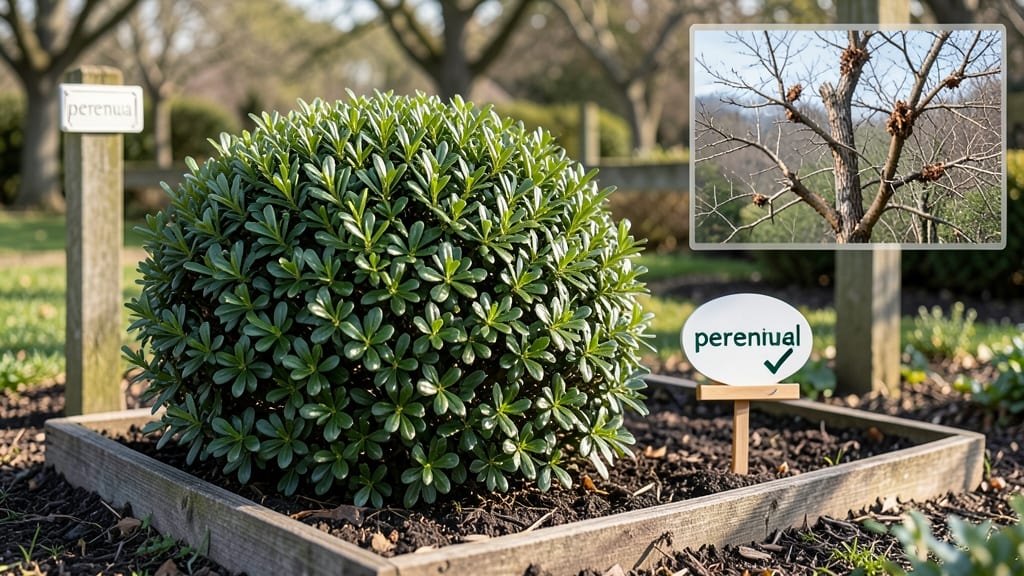
Shrubs are perennials because they regrow each year from the same root system, often living for decades while producing seasonal blooms, foliage, or berries with consistent care.
Most shrubs thrive as perennials because their hardy root systems store energy year-round, allowing them to push out new growth when conditions improve. 🌿 Unlike annuals like petunias that complete their lifecycle in one season, shrubs like boxwoods or hydrangeas return annually, sometimes for 50+ years with proper maintenance.
This makes them ideal for garden structure—they deliver consistent color and texture without needing replanting.
What sets them apart is their ability to enter dormancy during harsh weather, then rebound when temperatures rise. For example, azaleas bloom spectacularly each spring after wintering over, while lavender maintains its fragrant foliage through multiple seasons.
The key to their longevity? Regular pruning to remove dead wood and proper watering—especially during their first two years when roots establish.
💡 In This Article
- How Shrub Lifespan Differs From Annuals and Biennials
- Best Perennial Shrubs for Year-Round Garden Structure
How shrub lifespan differs from annuals and biennials
The defining trait that makes shrubs perennials lies in their underground root systems. Unlike annuals like petunias, which complete their entire lifecycle in a single growing season, shrubs develop deep, woody roots that store carbohydrates and nutrients.
These roots can survive freezing temperatures and drought, allowing the plant to regrow each spring. For example, boxwood shrubs have fibrous root systems that spread horizontally, creating a dense network capable of sustaining decades of growth.
Shrubs also exhibit seasonal dormancy, a key adaptation that sets them apart from annuals and biennials. During winter, shrubs like hydrangeas enter a state where metabolic activity slows dramatically, conserving energy in their roots and stems.
This dormancy period is triggered by shorter daylight hours and cooler temperatures, allowing the plant to "reset" before spring's regrowth. 🌱 Meanwhile, biennials like foxgloves complete their lifecycle in two years, while annuals like marigolds die after flowering—neither has the root resilience of shrubs.
The growth patterns of shrubs further highlight their perennial nature. Most shrubs produce new growth from buds located along their stems, a process called "bud dormancy." This means even if above-ground growth dies back in winter, the plant retains viable buds that will sprout when conditions improve.
Consider azaleas: their woody stems contain dormant buds that remain viable for years, allowing the shrub to flower annually with minimal intervention.
Another critical difference is how shrubs allocate resources. While annuals focus all energy on seed production, shrubs divert resources to both reproduction and vegetative growth. This dual strategy enables them to produce flowers, berries, or foliage while simultaneously building stronger root systems.
For instance, holly shrubs allocate energy to both their iconic red berries and their evergreen leaves, ensuring year-round interest in the garden.
Climate adaptation plays a major role in shrub longevity. Many shrubs native to temperate regions have evolved to withstand seasonal extremes. Take rhododendrons: their thick, leathery leaves and deep roots allow them to thrive in both summer heat and winter cold, a capability that annuals simply cannot match.
This hardiness is why shrubs form the backbone of perennial gardens—they provide structure and interest across multiple seasons.
Even within the shrub category, there are variations. Some shrubs like willows are considered "semi-perennials," meaning they may die back to the ground in harsh winters but regrow from the base each spring.
Others, like the crepe myrtle, develop true woody stems that persist year after year. Understanding these differences helps gardeners select plants that match their climate and maintenance preferences.