
Plants
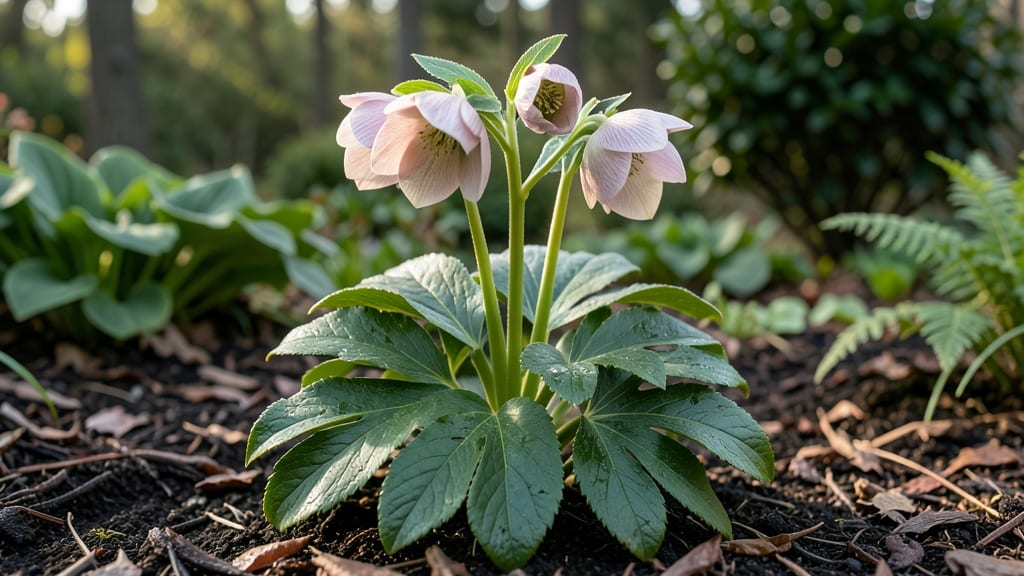
Perennials aren't truly year-round plants—they die back above ground each winter but persist underground through roots, bulbs, or tubers, then re-emerge when spring conditions return.
What sets perennials apart is their ability to store energy underground during dormancy.
Unlike annuals that complete their life cycle in one season, perennials invest in roots, rhizomes, or tubers that act as natural storage units. 🌱 This underground network allows them to survive freezing temperatures and drought, then burst back to life when warmer weather and increased daylight trigger regrowth.
Many gardeners love perennials precisely because they return year after year with minimal replanting, though their above-ground appearance may change dramatically between seasons.
This survival strategy explains why you might see a garden bed appear completely empty in winter only to burst with color in spring. The plants are still alive—just in a different growth phase.
Understanding this cycle helps gardeners choose plants wisely for seasonal interest, selecting varieties that offer winter blooms, evergreen foliage, or persistent seed heads to maintain visual appeal throughout the year.
💡 In This Article
- How Perennials Survive Winter Through Underground Storage
- Choosing Perennials for Year-Long Garden Interest
How perennials survive winter through underground storage
The secret to perennials' endurance lies in their ability to enter dormancy—a biological state where growth slows dramatically to conserve energy. When temperatures drop below 40°F, most perennials shed their above-ground foliage, but their roots remain active underground.
This isn't true hibernation; rather, it's a strategic energy conservation mode where metabolic processes continue at a minimal level. For example, peony roots can store enough starch to fuel regrowth for years, while daylily rhizomes maintain a 5-10% moisture content to prevent desiccation during winter.
Different storage organs play distinct roles in survival. Taproots like those of black cohosh extend deep into soil, accessing groundwater that remains unfrozen. Rhizomes (horizontal underground stems) in irises contain growth nodes that can sprout new shoots when temperatures rise above 50°F.
Bulbs like tulips store nutrients in their fleshy scales, while tubers such as potatoes convert starches into sugars to prevent freezing damage. The key trigger for regrowth is the combination of increasing daylight hours (photoperiodism) and soil temperatures reaching 55-60°F.
What's fascinating is how perennials time their dormancy. Some, like hostas, begin storing energy in late summer when daylight shortens, while others wait until frost. The plant hormone abscisic acid accumulates in roots, signaling the plant to shut down above-ground growth while auxin levels drop, preventing new shoot formation.
This hormonal shift explains why you might see perennial stalks still standing through winter—they're not dead, just in a suspended state until spring's hormonal awakening.
Climate plays a critical role in this process. In USDA Zone 5, perennials like coneflowers may need 12-16 weeks of winter dormancy to break their dormancy cycle, while Zone 8 perennials like salvias might only require 4-6 weeks.
The cold period actually helps some plants by breaking seed dormancy or preventing disease buildup. However, unpredictable temperature swings (like early thaws followed by hard freezes) can confuse the plant's internal clock, sometimes leading to premature sprouting that gets damaged by late frosts.
Here's what happens at the cellular level: As temperatures drop, plant cells produce antifreeze proteins that prevent ice crystal formation in their tissues. Meanwhile, sugars and amino acids accumulate in root cells, acting as natural cryoprotectants. When spring arrives, these stored compounds fuel rapid regrowth.
The speed of emergence varies—crocuses can appear within 2-3 weeks of soil thawing, while tree peonies may take 6-8 weeks—but the underground systems ensure they're always ready when conditions improve.
This biological strategy explains why perennials often outperform annuals in challenging conditions. While annuals must complete their entire life cycle in one growing season, perennials spread their energy investment over multiple years.
For gardeners, this means choosing perennials with deep root systems for drought-prone areas or those with thick rhizomes for colder climates. The underground storage system isn't just about survival—it's a sophisticated energy management system that makes perennials the ultimate low-maintenance garden workhorses.