
Planting
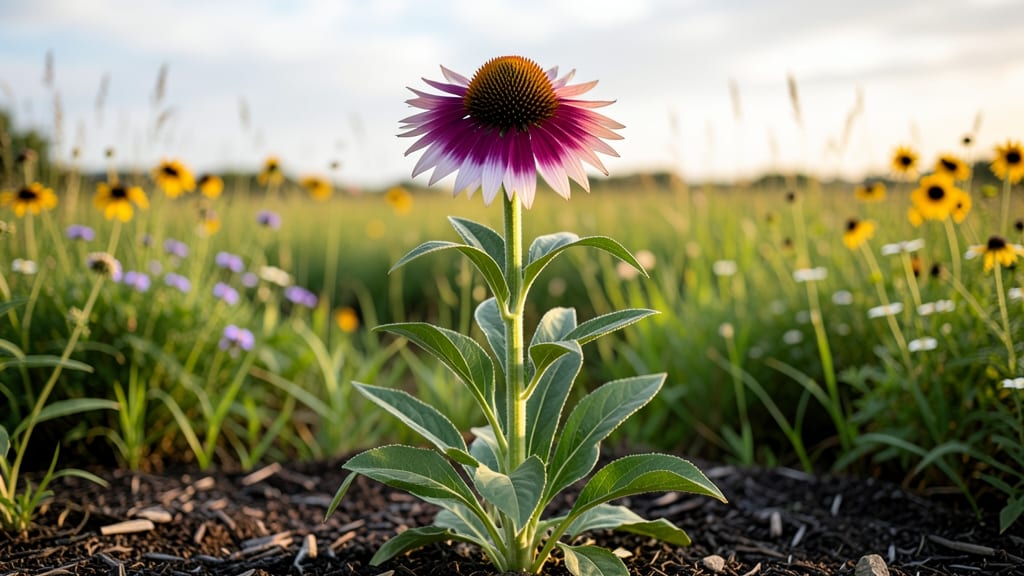
Summer flowering perennials in Zone 5 don't just survive—they thrive and come back stronger every year. 🌻 I've learned that the right choices bloom through heatwaves, droughts, and even late frosts, giving you vibrant color from June to frost without replanting.
These plants are the backbone of my low-maintenance garden, and once established, they outperform annuals in both beauty and reliability.
The secret lies in selecting perennials that match your sunlight conditions and soil type. My front border gets full sun, so I planted coneflowers, black-eyed Susans, and daylilies—they handle Zone 5's hot summers and still look stunning in early fall.
For shadier spots, hostas and asters deliver lush foliage and late-season blooms that attract butterflies. The key is choosing plants with deep root systems that handle our dry spells.
What you'll end up with is a garden that practically takes care of itself after the first year. Picture purple coneflowers swaying in August breezes, golden black-eyed Susans lighting up September, and daylilies blooming in waves from June through frost.
These perennials multiply over time, filling in gaps naturally while requiring minimal deadheading or division. The best part? No replanting costs or annual shopping trips.
Whether you're starting from seeds, transplants, or dividing existing plants, the principles stay the same. Focus on well-draining soil, proper spacing, and regular watering during the first growing season.
Once established, these perennials become the workhorses of your garden, delivering color with almost no effort. Let's get your Zone 5 garden blooming beautifully year after year!
📚 In This Guide
- What you need
- Instructions
- Tips and common mistakes
- Wrapping up and next steps
What you need
- ● Perennial plants: Choose 5–10 hardy Zone 5 varieties (e.g., Coneflower, Black-Eyed Susan, Daylily, Bee Balm, Russian Sage). Aim for 1–3 plants per square foot for full coverage.
- ● High-quality potting soil: 2–3 bags (2 cubic feet each) of well-draining, organic-rich soil (e.g., Miracle-Gro Garden Soil or FoxFarm Ocean Forest).
- ● Compost: 1–2 bags (1 cubic foot each) to boost nutrients and moisture retention.
- ● Mulch: 1–2 bags of organic mulch (e.g., shredded bark or straw) to retain moisture and suppress weeds.
- ● Slow-release fertilizer: 1 bag of balanced, granular fertilizer (e.g., 10-10-10 or 5-10-5) for planting.
- ● Watering can or hose: With a gentle spray nozzle for delicate seedlings.
- ● Garden gloves: 1 pair of durable, breathable gloves (e.g., Wolverine or Fox River).
- ● Hand trowel: 1 stainless-steel or ergonomic trowel (e.g., Fiskars or Radius Garden).
- ● Pruners: 1 pair of sharp, bypass pruners (e.g., Felco or Corona) for trimming.
- ● Measuring tape: 1 16-foot tape for spacing and layout.
- ● Plant markers: 20–50 biodegradable labels to track varieties.
- ● Organic pest control: 1 bottle of neem oil or pyrethrin spray for aphids/slugs.
- ● Drip irrigation kit: For automated watering (e.g., Rain Bird or Orbit).
- ● Garden kneeler: 1 padded kneeler for comfort during planting.
- ● Soil pH test kit: To ensure optimal 6.0–7.0 pH for perennials.
Step-by-step guide to planting summer flowering perennials in Zone 5
Here’s how I select and establish perennials that thrive year after year in your climate.
🌱 Step 1: Choose the Right Perennials for Zone 5
Focus on hardy varieties like coneflowers (Echinacea), black-eyed Susans (Rudbeckia), and shasta daisies (Leucanthemum)—they handle Zone 5’s hot summers and cold winters with ease. I always check the USDA hardiness zone on plant tags or reliable sources to avoid disappointments. For example, purple coneflower thrives in Zone 5 and attracts pollinators all season.
Group plants by their sunlight needs: place sun-lovers like daylilies in full sun, while hostas and astilbes prefer partial shade. This ensures each plant gets the right growing conditions from day one. I sketch a rough layout before digging—it saves time and prevents overcrowding later.
☀️ Step 2: Prepare the Soil and Planting Site
Test your soil’s pH and amend it if needed—most perennials prefer 6.0 to 7.0. I mix in 2-3 inches of compost into the top 6-8 inches of soil to improve drainage and fertility. For heavy clay soil, I add sand or perlite to loosen it up. Avoid fresh manure, which can burn roots.
Dig holes twice as wide as the root ball but only as deep. This gives roots room to spread without settling too low. If planting in spring, water the hole thoroughly before placing the plant. For fall planting, wait until the soil cools to 50-60°F to avoid frost damage.
🪴 Step 3: Plant and Mulch for Long-Term Success
Gently remove the plant from its container and loosen any circling roots. Place it in the hole so the top of the root ball sits level with the soil surface—burying too deep can suffocate the plant. Fill the hole with soil, pressing lightly to remove air pockets. Water deeply to settle everything.
Apply 2-3 inches of mulch (like shredded bark or straw) around the base, keeping it 2 inches away from the stem. Mulch conserves moisture and regulates soil temperature. Replenish mulch annually in early spring—this protects roots during winter freezes and summer heat waves.
⏰ Step 4: Water and Maintain Through the First Season
Water newly planted perennials deeply once a week for the first month, ensuring moisture reaches 6 inches down. You’ll know it’s enough when the soil feels damp but not soggy. After establishment, most perennials need 1 inch of water per week, either from rain or irrigation.
Deadhead spent blooms regularly to encourage more flowers and prevent self-seeding where you don’t want it. I also fertilize lightly in early spring with a balanced 10-10-10 formula to support new growth. Avoid high-nitrogen fertilizers—they promote leafy growth at the expense of flowers.
✂️ Step 5: Divide and Revitalize Every 3-4 Years
Perennials like hostas and daylilies benefit from division every 3-4 years to keep them vigorous. Dig up the clump in early spring or fall, separate the roots with a sharp knife, and replant the healthiest sections. This rejuvenates the plant and gives you free extra plants for friends or new garden spots.
Watch for signs of decline—yellowing leaves or fewer blooms signal it’s time to divide. I always replant divisions in well-prepared soil and water them in thoroughly. With proper care, your perennials will return year after year with bold, vibrant blooms.
Tips & tricks for perfect summer flowering perennials in Zone 5
Took me a while to figure these out, so here's how I ensure my perennials thrive year after year.
Plant Selection Insight: When choosing perennials, pay attention to their mature size—some like coneflowers can spread aggressively while others like shasta daisies stay more contained. I always check the plant tag for "mature height and spread" measurements to avoid overcrowding. For example, a black-eyed Susan might reach 3 feet tall and spread 2 feet wide, so I space them accordingly. This prevents future competition for nutrients and sunlight.
Soil Prep Strategy: The 6.0 to 7.0 pH range mentioned is ideal, but don't stress if your soil is slightly off—most perennials are forgiving. I test my soil every 3-4 years and only amend if I see pH drifting below 5.5 or above 7.5. For heavy clay soil, I mix in sand or perlite to improve drainage, but I never exceed 20% of the total soil volume to avoid creating a sandy desert. The key is gradual improvement over time.
Planting Depth Secret: That "level with the soil surface" guideline is critical—burying too deep can suffocate stems while planting too shallow exposes roots to drying. I use a small stake to mark the original soil line on the root ball before planting, then adjust until it matches perfectly. For container-grown plants, I gently squeeze the root ball to check if it's firm enough to handle—if it falls apart, I know it's ready for transplanting.
Mulching Mastery: The 2-3 inches of mulch recommendation works perfectly, but I've learned to keep it 2 inches away from stems to prevent rot. I always use organic mulches like shredded bark or straw because they break down slowly, adding nutrients to the soil. In my Zone 5 garden, I replenish mulch in early spring before the first major rain—this gives roots protection from winter's last freezes and summer's heat waves.
Pro Tips for Summer Flowering Perennials Zone 5
- Took me a while to figure these out, so here's how I ensure my perennials thrive year after year.
- Plant Selection Insight: When choosing perennials, pay attention to their mature size—some like coneflowers can spread aggressively while others like shasta daisies stay more contained.
- Soil Prep Strategy: The 6.0 to 7.0 pH range mentioned is ideal, but don't stress if your soil is slightly off—most perennials are forgiving.
Frequently asked questions
Got questions about summer flowering perennials in Zone 5?
You’re in the right place! Here are answers to the most common concerns—from planting tips to troubleshooting—so you can enjoy vibrant blooms season after season.
What are the easiest summer perennials to grow in Zone 5?
Start with hardy, low-maintenance picks like Coneflower (Echinacea), Black-Eyed Susan (Rudbeckia), or Daylily (Hemerocallis). These thrive in Zone 5’s heat and humidity with minimal fuss—just full sun and well-draining soil. Pro tip: Choose native varieties for even better resilience!
When is the best time to plant summer perennials in Zone 5?
Plant in early spring (April–May) or early fall (September–October) to give roots time to establish before extreme heat or cold. Avoid mid-summer planting—roots need moisture and cooler temps to settle in. Exception: Transplants can go in late spring if kept well-watered.
How do I keep pests and diseases away from my summer perennials?
Prevent issues with good airflow (space plants 12–18 inches apart) and mulch to retain moisture. Watch for aphids or powdery mildew—treat early with neem oil or fungicide. Pro tip: Deadhead spent blooms to encourage new growth and deter pests.
Will summer perennials survive Zone 5 winters?
Most Zone 5 perennials are cold-hardy (down to -20°F/-29°C), but tender varieties (like Salvia) may need mulch or winter protection. Key tip: Cut back dead foliage in late winter/early spring—this prevents rot and signals new growth.
What can I plant if my soil is heavy clay?
Amend clay soil with compost or sand to improve drainage, then opt for tough perennials like Russian Sage (Perovskia), Catmint (Nepeta), or Sedum. These handle poor soil better than fussy blooms. Bonus: Raised beds work wonders for heavy clay!
Wrapping up and next steps
Choosing the right summer flowering perennials for Zone 5 means adding vibrant, low-maintenance beauty to your garden that comes back stronger every year—no replanting required! 🌸 From sun-loving coneflowers to shade-tolerant hostas, these plants thrive in your climate while attracting pollinators and boosting curb appeal.
The key? Start small, test a few varieties, and let nature do the rest.
Ready to transform your outdoor space? Pick 2-3 perennials from this list, prep your soil, and plant them this spring or early fall. Before you know it, your garden will burst with color—year after year—with minimal effort. Happy planting! 🌱