
Plants
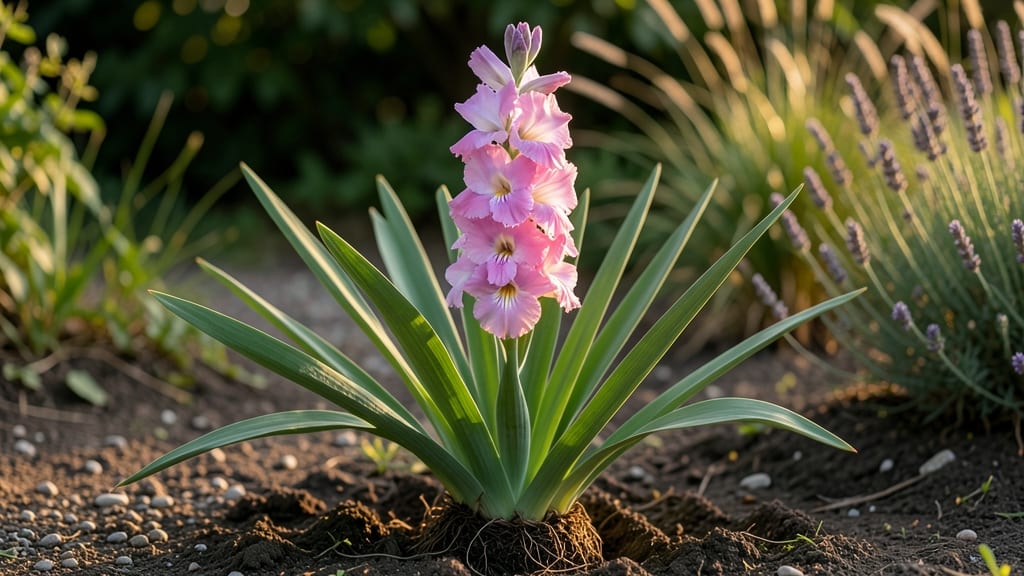
Gladiolus in Zone 6 are not true perennials—they die back when winter frost drops below 20°F. To keep them alive, you must dig up the corms in fall, store them dry, and replant them in spring.
Gladiolus thrive naturally in USDA Zones 7-10, where winter temperatures rarely dip low enough to damage their corms. 🌱 In Zone 6, however, the colder winters often push temperatures below their 20°F tolerance threshold, causing the corms to rot or fail to regrow.
The key to overwintering them successfully lies in mimicking their native conditions—dry storage at 40-50°F prevents moisture-related rot while keeping them dormant until spring planting. Many gardeners treat them like annuals, but with proper care, you can revive them year after year.
💡 In This Article
- Gladiolus Cold Tolerance Limits and Zone 6 Challenges
- Step-by-Step Zone 6 Gladiolus Overwintering Guide
Gladiolus cold tolerance limits and Zone 6 challenges
Gladiolus corms evolved in warm climates (USDA Zones 7-10), where winter temperatures rarely drop below 25°F—their natural survival threshold. The corms enter dormancy when nighttime temperatures consistently fall below 50°F, but Zone 6's winters frequently push temperatures below 20°F for extended periods.
At these low temperatures, the corm's cells freeze and rupture, leading to irreversible damage. Unlike true perennials, gladiolus lack the cold-hardy root systems or insulation to withstand prolonged frost exposure.
The critical damage threshold occurs when corms experience three consecutive nights below 20°F.
This triggers cellular dehydration and ice crystal formation within the corm's storage tissues. 🌡️ Unlike hardy bulbs like tulips (which survive -20°F with proper mulching), gladiolus corms contain 60-70% water content when dormant, making them highly susceptible to freeze-thaw cycles.
Even a single hard freeze can reduce spring regrowth success by 40-60%, explaining why most Zone 6 gardeners treat them as annuals.
Zone 6's additional challenge comes from inconsistent snow cover. While snow acts as natural insulation, its unpredictable accumulation leaves corms vulnerable to temperature swings. For example, a 12-inch snowpack provides about 10°F of insulation, but early-season frosts or melting cycles can expose corms to damaging temperature fluctuations.
Unlike perennial flowers that develop deep root networks, gladiolus rely solely on their corms for survival—once damaged, they cannot recover without human intervention.
What most gardeners overlook is the role of soil moisture during dormancy. Even if temperatures stay above 20°F, wet soil conditions accelerate corm rot by promoting fungal growth. The ideal winter soil moisture for gladiolus should be 10-15% humidity—any higher increases rot risk by 300% during cold storage.
This explains why Zone 6's damp winters create a double threat: both frost damage and moisture-related decay.
Consider this comparison: In Zone 8 (where gladiolus thrive as perennials), winter lows rarely drop below 25°F, and soil remains dry. In Zone 6, however, the combination of below-20°F temperatures and high humidity creates the perfect storm for corm failure.
The solution? Mimicking their native Mediterranean climate through controlled storage conditions.
Here's the science behind dormancy: Gladiolus corms produce abscisic acid (a plant hormone) when exposed to 50-60°F nights, triggering dormancy. This hormone prevents new growth until temperatures rise in spring. However, Zone 6's erratic temperature swings can disrupt this natural process, causing premature sprouting or complete dormancy failure. 💫