
Plants
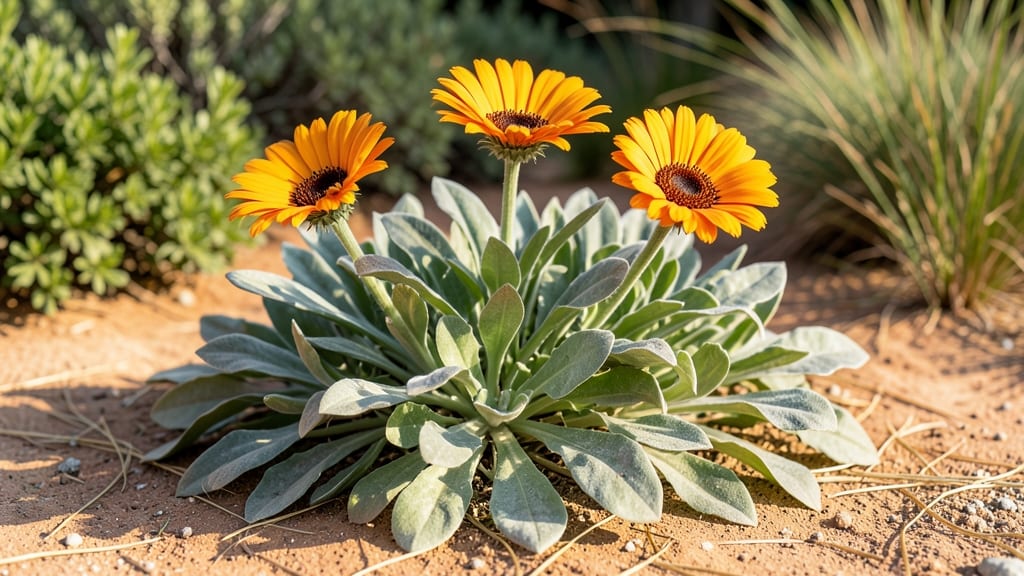
Gazania plants are not true perennials in most climates, though they often behave like tender perennials or self-seeding annuals. They die back during frost but frequently reseed prolifically for continuous blooms, thriving best in USDA Zones 8-11 with winter protection.
These vibrant flowers act like annuals in colder regions because their stems and shallow roots can't withstand freezing temperatures. 🌱 In warmer zones (8-11), they may persist through winter with proper mulching or greenhouse protection, though they're technically not cold-hardy perennials.
What sets them apart is their remarkable ability to self-sow—dropping seeds that sprout fresh plants come spring, creating natural succession blooms without replanting.
For gardeners in marginal zones, overwintering strategies like potted plants or greenhouse cultivation can extend their lifespan, while selecting cold-tolerant varieties like 'Gazania rigens' offers slightly better frost resistance. The key is understanding their growth cycle: they'll always die back in frost but often return stronger through self-seeding.
💡 In This Article
- Gazania Cold Hardiness: Why They Die Back in Winter
- Growing Gazanias as Perennials: USDA Zone Strategies
Gazania cold hardiness: why they die back in winter
Gazania plants lack the cold-resistant mechanisms of true perennials. Their stems are tender and non-woody, unable to survive temperatures below 32°F—the freezing point that triggers cellular damage in most plants.
Unlike hardy perennials like coneflowers (which develop thick, insulating root crowns), gazanias have shallow root systems that absorb moisture quickly but can't store enough energy reserves to withstand frost. 🌡️ This makes them behave like frost-sensitive annuals in colder climates, where they complete their life cycle in one season.
The real magic happens in their dormancy strategy. Gazanias employ a "hit-and-run" survival tactic: they die back completely when temperatures drop, but their seeds often remain viable in the soil. These seeds germinate as soon as conditions warm again, creating the illusion of perennial behavior through self-seeding.
This process relies on their 10-15% oil content in seeds, which provides the energy needed for quick regrowth—similar to how sunflower seeds store energy for germination.
What sets gazanias apart from true annuals is their ability to produce multiple seed generations in a single season. A single plant can drop 500-1,000 seeds that lie dormant through winter, ready to sprout when temperatures reach 60°F or higher.
This prolific seeding explains why gazanias often return year after year without replanting, even in areas where the parent plants themselves wouldn't survive winter.
In marginal zones (USDA Zones 7 and below), gazanias exhibit a fascinating adaptation: their leaves curl tightly shut during cold nights, a protective mechanism that reduces water loss and frost damage.
This behavior, called "nyctinasty," helps them conserve energy but doesn't provide true cold hardiness. 🌿 The trade-off is that while they may survive brief cold snaps, extended freezing will still kill the plants back to the ground.
Comparing gazanias to frost-tolerant annuals like cosmos reveals their limitations: cosmos can handle light frosts (28°F) thanks to their deeper roots and more robust stems, while gazanias remain strictly tender.
The key difference lies in their cellular structure—gazania cells lack the antifreeze proteins found in cold-hardy plants, making them vulnerable to ice crystal formation at 30°F and below.
This cold sensitivity explains why gazanias thrive as annuals in most gardens. Their bright blooms (available in 50+ colors) and drought tolerance make them excellent summer performers, but their inability to persist through winter means they'll always require replanting—or rely on that clever self-seeding strategy—in colder regions.