
Flowers
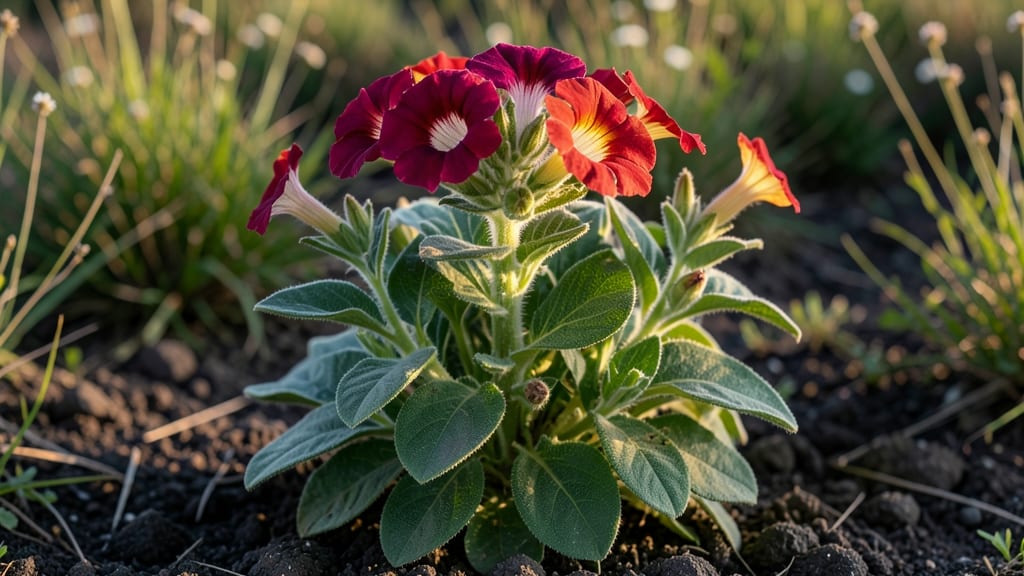
Four o'clock flowers are perennials in warm climates but often grown as annuals in cooler regions, as they thrive in USDA zones 9-11 and may die back in frost. Their self-seeding nature helps them persist year after year in ideal conditions.
These vibrant blooms thrive as true perennials in frost-free zones, where they naturally return each season thanks to their deep root systems. 🌸 In cooler climates, gardeners often treat them as annuals because frost can damage their tender foliage, though many varieties self-sow prolifically if given enough warmth.
The key difference lies in their tropical origins—they've evolved to flourish in hot, humid conditions where winter dormancy isn't a concern.
What makes them particularly resilient is their ability to regenerate from seed even in less-than-ideal conditions. This self-seeding trait means you might find unexpected volunteers popping up in spring, even if you didn't intentionally plant them.
For gardeners in marginal zones, strategic placement near heat-retaining walls or containers can sometimes coax them through winter, extending their lifespan beyond a single season.
💡 In This Article
- Four O'Clock Flower Lifespan: Perennial vs Annual Behavior
- Growing Four O'Clock Flowers as Perennials in Cold Climates
Four o'clock flower lifespan: perennial vs annual behavior
Four o'clock flowers (Mirabilis jalapa) are native to tropical and subtropical regions, particularly South America, where they've evolved to thrive in consistent warmth without seasonal dormancy. Their perennial nature in ideal conditions stems from their deep, fibrous root systems that store nutrients year-round.
In USDA zones 9-11, these plants can grow 3-5 feet tall and produce their signature trumpet-shaped blooms continuously, often from spring through fall and sometimes even into winter.
The key botanical difference lies in their frost sensitivity. Four o'clocks contain high levels of mucilage—a gel-like substance in their leaves and stems—that protects against dehydration but makes them vulnerable to freezing temperatures below 28°F.
When frost hits, the above-ground growth dies back completely, but the roots often survive to regrow in spring. This explains why they behave as perennials in frost-free climates but are treated as annuals in colder regions where winter kill is inevitable. 🌿
What most gardeners don't realize is how their flowering cycle is tied to light sensitivity. The flowers only open in the afternoon (hence the name) because they require bright sunlight to trigger their blooming mechanism.
This phototropic behavior means they'll produce more flowers in full sun conditions (6+ hours daily) than in partial shade, where their growth becomes leggy and sparse. Their self-seeding habit comes from tiny, hard-coated seeds that can remain dormant in soil for years before germinating when conditions are perfect.
In warmer climates, established plants develop a woody base at the crown that can persist for several years, producing more vigorous growth each season. The leaves themselves have a distinctive waxy texture that helps them retain moisture, another tropical adaptation.
This resilience explains why they're often found naturalized in southern states like Florida and Texas, where they spread aggressively through both seeds and underground runners.
Interestingly, their classification as perennials in warm zones isn't absolute—some gardeners report that even in zone 8 with winter protection, they've seen plants return for 2-3 years before finally succumbing. The critical factor is soil temperature: roots can survive brief cold snaps if the ground doesn't freeze solid.
This makes them more adaptable than many tropical plants, though they'll never tolerate the harsh winters of zone 5 or colder.
For those curious about their growth patterns, observe how they develop: young plants focus energy on leaf production, while mature specimens prioritize flower blooms. This shift typically occurs when they reach 12-18 inches tall, signaling they're ready to establish their perennial habit in warm climates.
The vibrant orange, pink, or yellow flowers aren't just beautiful—they're nature's way of ensuring pollination before seeds mature for next season's growth. 🌺