
Flowers
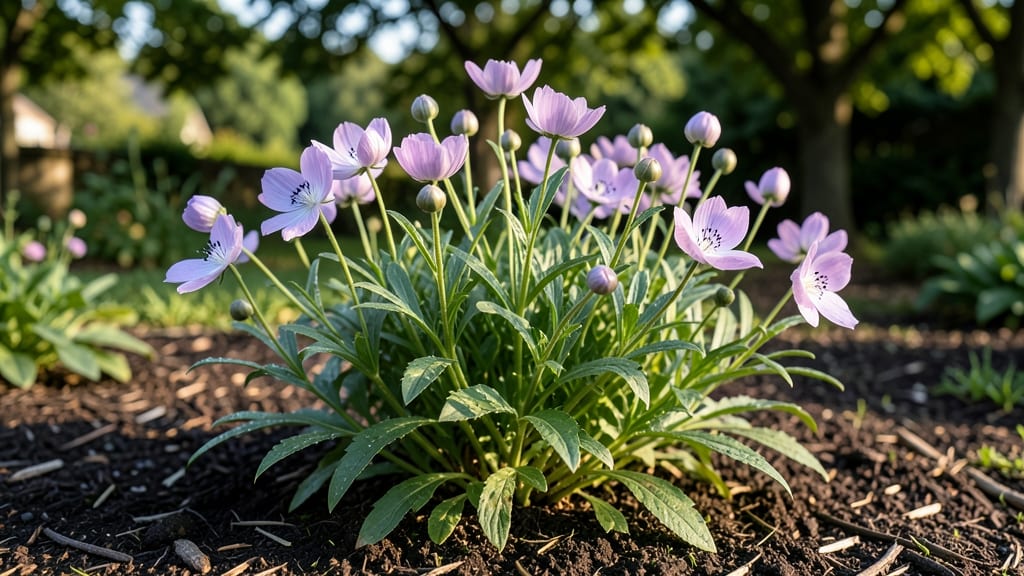
Balloon flowers (Platycodon grandiflorus) are indeed perennials that regrow each season in USDA zones 3-8, where their cold-resistant tubers survive winter dormancy. With proper winter protection and spring care, they reliably produce vibrant blooms year after year.
These plants thrive in cooler climates because their thick, fleshy tubers store energy during winter, allowing them to push fresh growth as soon as temperatures rise. 🌱 The key to their perennial success lies in protecting these tubers—especially in zones 3-5—with a thick layer of mulch (like straw or shredded leaves) before the first frost.
Many gardeners mistakenly assume they're annuals because they die back completely in winter, but their underground storage system ensures they bounce back stronger each spring.
What sets balloon flowers apart is their ability to handle frost without damage, unlike many other perennials. Their blooms emerge from the same root system year after year, making them a low-maintenance choice for gardeners who want reliable color without annual replanting.
Just remember: patience is key—some varieties may take a season or two to reach their full flowering potential after transplanting.
💡 In This Article
- Balloon Flower Cold Hardiness and Winter Survival Guide
- Reviving Balloon Flowers After Winter Dormancy
Balloon flower cold hardiness and winter survival guide
Balloon flowers survive freezing temperatures thanks to their specialized tuber-based root system, which stores energy like a natural battery. These tubers can withstand temperatures down to -25°F (-32°C) in zones 3-5, but their ability to regrow depends on protecting them from extreme cold and moisture fluctuations.
Unlike annuals, their roots don't die completely—they enter dormancy, conserving energy until spring warmth triggers regrowth. 🌟
The magic happens in their fleshy, carrot-like tubers, which swell with starches during summer growth. When temperatures drop below 40°F (4°C), these tubers harden and reduce metabolic activity, preventing frost damage.
In colder zones (3-4), gardeners must add 4-6 inches of organic mulch (like straw or shredded bark) to insulate the soil and maintain consistent temperatures around the tubers.
What many gardeners overlook is that balloon flowers die back completely above ground in winter—not because they're annuals, but because their energy conservation strategy focuses underground. The above-ground stems and leaves decompose, returning nutrients to the soil, while the tubers remain dormant.
This process mimics natural woodland ecosystems where plants survive harsh winters underground. 🍂
For optimal survival, plant balloon flowers in well-draining soil with partial shade—their tubers rot if waterlogged. In zones 6-8, they may need minimal protection, but a light mulch still helps prevent soil temperature swings.
The key difference between annual and perennial behavior is that balloon flowers' tubers regenerate new shoots from the same root system each spring, while annuals would need replanting.
Consider this comparison: While impatiens (annuals) die entirely in frost, balloon flowers' tubers act like living seed banks, ready to sprout when conditions improve. This resilience is why they thrive in regions with 100+ frost-free days—their dormancy period aligns perfectly with winter conditions in zones 3-8.
The trade-off? Their first-year blooms may be modest as they establish root reserves.
Pro tip: Mark your planting locations in winter with stakes or flags—you'll be amazed how quickly new shoots emerge when spring temperatures reach 55°F (13°C). The contrast between their winter dormancy and spring rebirth is what makes them such rewarding perennials. ✨