
Planting
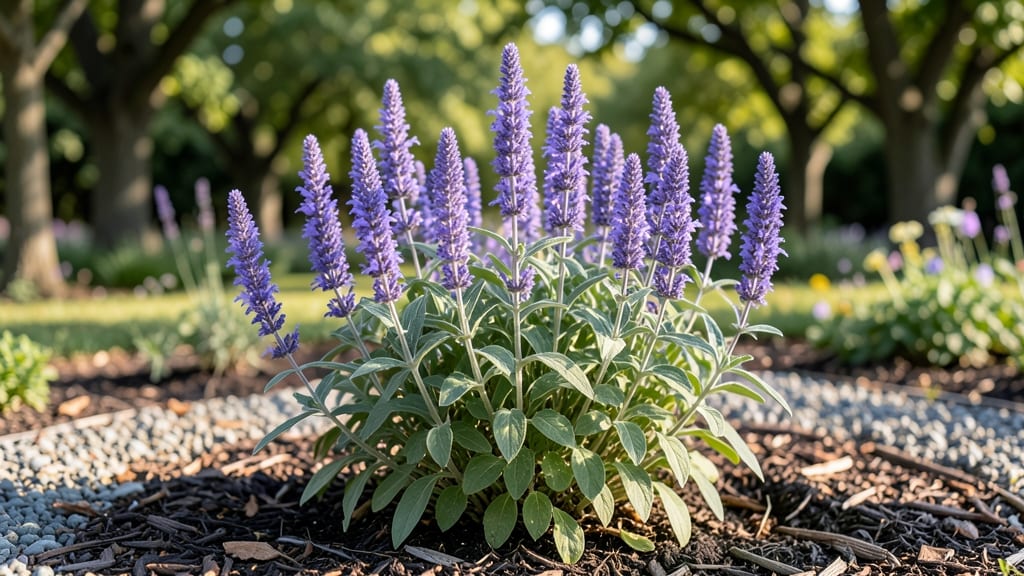
Zone 8 perennials don’t just survive—they multiply and thrive year after year with almost no effort from you. 🌿 I’ve watched my black-eyed Susans spread like wildfire and my salvia grow taller every season, proving that once you plant the right perennials, your garden practically maintains itself.
The secret lies in choosing plants that match your zone’s mild winters and long growing season. Drought-tolerant natives like blanket flower or Russian sage handle Zone 8’s heat and occasional dry spells with ease, while others like hostas and daylilies reward you with lush foliage and bold blooms.
Most need well-draining soil, regular watering until established, and minimal pruning—just a little cleanup in early spring.
By summer’s end, you’ll have a garden that feels like it’s on autopilot. These perennials come back stronger each year, their roots deepening and their blooms more vibrant.
The best part? They multiply naturally, giving you free plants to share or replant elsewhere. No digging, no fuss—just more color and texture every season.
Whether you’re filling sun-drenched borders or shady corners, these perennials adapt beautifully. Start with a few of the toughest varieties, and soon your garden will be a self-sustaining showstopper. Ready to let nature do the heavy lifting?
📚 In This Guide
- What you need
- Instructions
- Tips and common mistakes
- Wrapping up and next steps
What you need
- ● Zone 8-perennial plants: Choose from hostas, black-eyed Susans, salvias, daylilies, or coneflowers (3–5 plants per variety for full coverage). Opt for native or adapted species for resilience.
- ● High-quality potting soil: 1–2 cubic yards (or 10–20 bags) of well-draining, organic-rich mix (e.g., 60% topsoil, 30% compost, 10% perlite/sand).
- ● Garden tools: Trowel or hand shovel (for precision planting)
- ● Garden fork (to loosen compacted soil)
- ● Pruners (sterilized, for trimming)
- ● Watering can or hose with adjustable nozzle
- ● Mulch: 2–3 bags of organic mulch (e.g., shredded bark or straw) to retain moisture and suppress weeds.
- ● Compost or slow-release fertilizer: 1–2 bags of balanced 10-10-10 or organic options (apply sparingly—perennials hate overfeeding!).
- ● Soil test kit: To check pH (aim for 6.0–7.0 for most Zone 8 perennials).
- ● Drip irrigation system: For automated, deep-watering (saves time and encourages roots!).
- ● Plant markers: Biodegradable stakes or flags to label varieties (trust us, you’ll forget!).
- ● Edging tools: For clean borders around plant beds (e.g., half-moon edger).
- ● Garden gloves & knee pads: Because comfort = consistency!
How to establish Zone 8 perennials for low-maintenance beauty
Here's the straightforward approach I use to plant perennials that return year after year with minimal effort.
🌱 Step 1: Select and Prepare the Planting Site
Choose a location that gets at least 6 hours of sunlight daily—most Zone 8 perennials thrive in full sun. I always test the soil first by digging a 6-inch deep hole and checking moisture levels. If the soil drains poorly, mix in 2-3 inches of compost to improve texture and fertility. This prevents root rot and encourages strong growth.
For shade-tolerant varieties like hostas or astilbes, pick a spot with dappled light or morning sun. Avoid areas where water pools after rain. The ideal site has well-draining soil that holds moisture but doesn't stay soggy. If your yard has heavy clay, amend the entire planting area with organic matter before installing plants.
🌿 Step 2: Choose the Right Perennials for Your Space
Select plants that match your site conditions and maintenance preferences. For example, black-eyed Susans and coneflowers handle heat and drought once established, while bee balm and Russian sage thrive in full sun with moderate water. I always choose varieties that multiply naturally—like daylilies or coral bells—to reduce future replanting.
Check each plant's mature size to avoid overcrowding. Most perennials need 18-24 inches of space between plants, but some like shrubby perennials (e.g., butterfly bush) require 3-4 feet. Plan your layout like a puzzle, placing taller plants at the back and shorter ones in front. This creates visual interest while ensuring all plants get adequate sunlight.
🪴 Step 3: Plant at the Right Depth and Spacing
Dig holes twice as wide as the root ball but only as deep as the container. This prevents burying the crown too deeply, which can cause rot. Gently remove the plant from its container and loosen any circling roots with your fingers. Place it in the hole so the top of the root ball sits level with the surrounding soil—never deeper.
Fill the hole with soil, pressing lightly to eliminate air pockets. Water deeply to settle the soil and encourage root contact. Space plants according to their mature size—18-24 inches apart for most perennials, 3-4 feet apart for shrubby types. Mulch around the base with 2-3 inches of organic mulch to retain moisture and suppress weeds, but keep mulch 2 inches away from the stem to prevent rot.
☀️ Step 4: Water and Maintain Through the First Season
Water newly planted perennials deeply once a week for the first 4-6 weeks, or whenever the top 2 inches of soil feel dry. Deep watering encourages roots to grow downward instead of staying shallow. Avoid overhead watering, which can spread disease. Instead, water at the base using a soaker hose or drip irrigation for targeted moisture.
Fertilize lightly in early spring with a balanced, slow-release fertilizer (10-10-10 ratio). Too much nitrogen early on can encourage leafy growth at the expense of root development. After the first season, most perennials need little to no fertilizer—focus on mulching annually to replenish organic matter. Watch for pests like aphids or slugs, but resist the urge to over-treat. Many perennials handle light pest pressure without intervention.
⏰ Step 5: Encourage Natural Spread and Division
Most Zone 8 perennials spread naturally over time, but you can speed up the process by dividing clumps every 3-4 years. Dig up the plant in early spring or fall, separate the roots into smaller sections with at least 3-5 leaves per division, and replant immediately. This rejuvenates older plants and gives you free new plants for filling gaps or sharing with neighbors.
Let spent blooms stay on the plant (or deadhead selectively) to allow seeds to form. Many perennials self-seed readily in Zone 8, creating a naturalized look. For example, black-eyed Susans and coneflowers often reseed themselves, while daylilies multiply via underground runners. This natural propagation means fewer purchases and more color year after year.
Tips & tricks for thriving Zone 8 perennial gardens
Planting perennials that thrive year after year takes more than just digging holes—here's how to set them up for long-term success.
Soil Test Smart: Before amending soil, test for pH levels—most Zone 8 perennials prefer a neutral range (6.0-7.0). I use a simple soil test kit from the garden center. If your soil tests acidic, add lime; if alkaline, work in peat moss. This adjustment prevents nutrient deficiencies that cause yellowing leaves and poor growth right from the start.
Root Ball Prep: When removing perennials from containers, gently tease apart circling roots with your fingers. These roots can strangle new growth if left intact. I also soak root balls in water for 10 minutes before planting to help them establish faster. This simple step reduces transplant shock and helps plants settle in more quickly.
Mulching Strategy: Apply that 2-3 inches of organic mulch right after planting, but wait until soil is settled. I use shredded bark or straw for its slow-release nutrients. Keep mulch 2 inches away from stems to prevent rot, but let it spread out to protect roots from temperature swings. This creates a stable microclimate for your perennials.
Watering Wisdom: During those first 4-6 weeks, water deeply at the base rather than sprinkling overhead. I set up a simple drip irrigation system that delivers water directly to the root zone. This prevents fungal diseases while encouraging deep root development. Early morning watering is best—it gives plants time to dry before evening humidity sets in.
Pro Tips for Zone 8 Perennials
- Planting perennials that thrive year after year takes more than just digging holes—here's how to set them up for long...
- Soil Test Smart: Before amending soil, test for pH levels—most Zone 8 perennials prefer a neutral range (6.0-7.0). I ...
- Root Ball Prep: When removing perennials from containers, gently tease apart circling roots with your fingers. These ...
Frequently asked questions
Got questions about keeping your Zone 8 perennials happy and thriving?
Here are answers to the most common ones—so you can garden with confidence!
What are the easiest perennials to grow in Zone 8 that spread effortlessly?
Look for aggressive spreaders like Liriope (Lily Turf), Daylilies (Hemerocallis), or Creeping Phlox (Phlox subulata). These thrive in Zone 8’s heat and humidity, multiplying naturally with minimal effort. Just give them well-draining soil and partial sun!
When is the best time to plant perennials in Zone 8 to ensure they establish well?
Plant in early spring (March–April) or fall (September–October) for ideal results. Avoid extreme summer heat (June–August), which can stress young plants. Pro tip: Water deeply after planting and mulch to retain moisture!
How do I protect Zone 8 perennials from extreme summer heat or drought?
Most Zone 8 perennials handle heat well, but mulch heavily (2–3 inches) to retain moisture. Water deeply but infrequently (1–2 times per week) and choose drought-tolerant varieties like Black-Eyed Susans (Rudbeckia) or Sedum.
Can I divide overgrown perennials in Zone 8, and when’s the best time?
Yes! Divide spring-bloomers (like Daylilies) in early spring or fall-bloomers (like Coneflowers) in late summer/early fall. Avoid dividing when plants are actively blooming. Pro tip: Replant divisions immediately for best survival!
What pests or diseases should I watch for in Zone 8 perennials, and how do I treat them?
Common issues include aphids, slugs, or fungal diseases (like powdery mildew). Prevent slugs with copper barriers, spray neem oil for aphids, and improve airflow to reduce fungal risks. Most perennials bounce back with proper care!
Wrapping up and next steps
Choosing Zone 8 perennials is a game-changer for gardeners—these hardy plants not only survive but thrive year after year, multiplying effortlessly to create lush, low-maintenance landscapes. From vibrant blooms to fragrant foliage, they bring beauty with minimal fuss, making them perfect for both beginners and seasoned green thumbs. 🌿
Ready to transform your garden? Start by selecting a few perennials that match your space and style, then dive in with confidence—your future self (and your happy plants!) will thank you. Plant today, enjoy forever!