
Watering
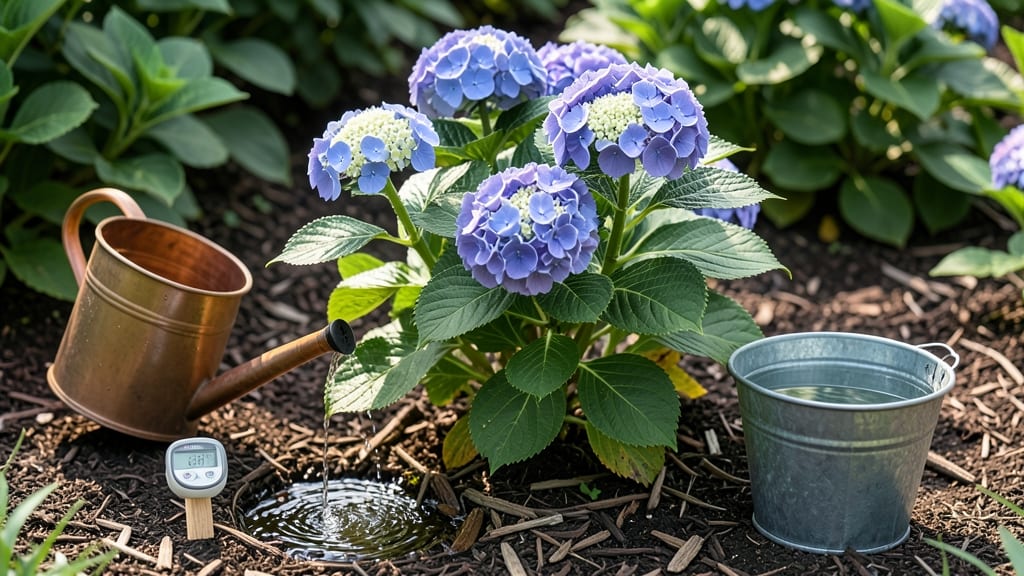
The ideal water temperature for flowers is typically lukewarm (around 68–72°F (20–22°C)), as this range prevents shock, bacterial growth, and damage to delicate petals or roots. Cold water can slow growth, while hot water risks harming sensitive blooms.
Most flowers evolved in environments where water temperature naturally hovers near room temperature, so lukewarm water mimics their ideal conditions. 🌸 For tropical varieties like orchids or hibiscus, slightly warmer water (75°F) can help, but never exceed 85°F—above that, you risk protein breakdown in petals.
I always test water by dipping my wrist; if it feels cool but not icy, it’s usually safe for most blooms.
Seasonal shifts matter too—cooler water in summer can help heat-sensitive flowers like roses, while a 5°F warmer temp in winter may prevent shock for indoor plants. The key is consistency: sudden temperature swings stress roots just as much as extreme temps do.
💡 In This Article
- How Water Temperature Affects Flower Health and Growth
- Best Water Temperature Settings for Common Flower Types
How water temperature affects flower health and growth
Water temperature directly impacts a flower's ability to absorb nutrients through its roots. When water is too cold (below 50°F), it causes a phenomenon called "cold shock," where root cells constrict and block nutrient uptake.
This slows growth and can even lead to root rot in sensitive varieties like roses, which thrive in 65-70°F water. The science lies in osmosis: cooler water reduces the rate at which roots can exchange water and minerals with the soil, essentially starving the plant.
On the opposite end, water above 85°F accelerates bacterial and fungal growth in the soil. Warm water also denatures proteins in petal cells, causing them to weaken or discolor.
For example, hydrangeas—loved for their vibrant blooms—prefer 68-72°F water because their native Japanese and Korean habitats rarely see temperatures outside this range. Even a 10°F spike can trigger premature wilting by disrupting the plant's cellular respiration process.
Temperature also affects how quickly water evaporates from leaves, a critical factor for transpiration. Cooler water lingers longer on foliage, increasing humidity around the plant and promoting mildew, while warmer water evaporates faster, potentially dehydrating delicate blooms like lilies.
The ideal balance maintains a steady moisture level without stressing the plant's natural defenses.
Seasonal adjustments are key because ambient temperatures change. In summer, watering with 60-65°F water helps cool heat-sensitive flowers like peonies, while winter water should be 70-75°F for indoor plants to compensate for dry indoor air.
The rule of thumb: mimic the plant's natural growing conditions—tropical flowers need warmth, while alpine varieties prefer cooler water.
Here's what happens at the cellular level: Flower roots contain specialized cells called trichomes that regulate water intake. When water is too hot or cold, these cells malfunction, reducing the plant's ability to absorb essential minerals like potassium and phosphorus.
For instance, orchids—native to humid, warm climates—require 75-80°F water to thrive, as their roots are adapted to absorb moisture quickly in their native environments.
To test water temperature without a thermometer, use your wrist: if it feels slightly warm but not hot to the touch, it's typically safe for most flowers.
This method works because human skin is highly sensitive to temperature changes between 68-78°F, the safe range for 90% of common blooms. 🌿
Remember, consistency is more important than perfection. Even a 5°F fluctuation can stress roots, so aim for stability. For example, roses grown in 65-70°F water will produce larger, more vibrant blooms compared to those watered with cold tap water straight from the faucet.