
Watering
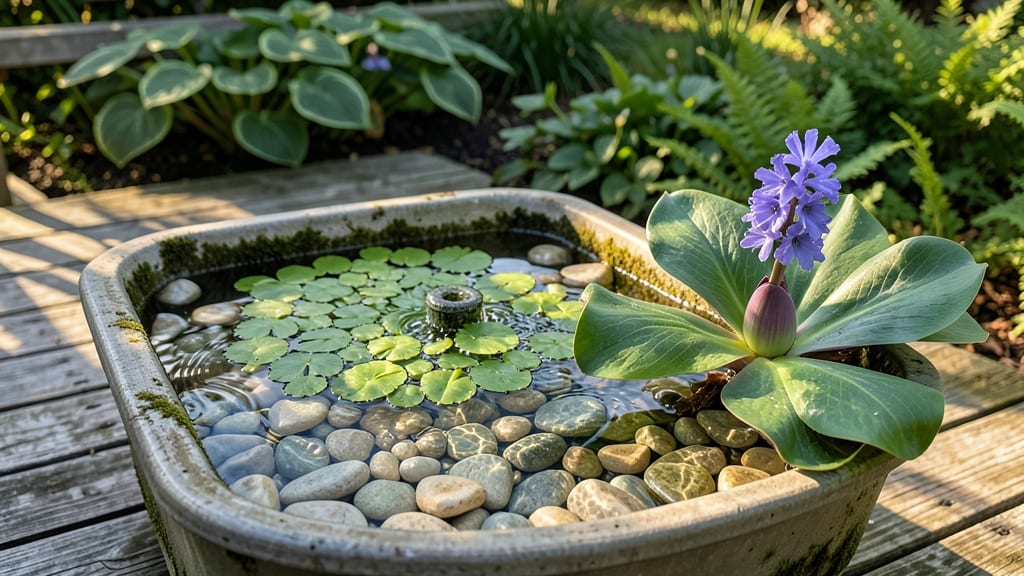
A water garden tub creates a stunning aquatic ecosystem with minimal effort when you choose the right plants. Hardy varieties like water lilies, water hyacinths, or floating ferns thrive in shallow water, filter debris naturally, and adapt to various light conditions while requiring little maintenance.
A water garden tub transforms any space into a serene aquatic haven—without the complexity of large ponds. 🌿 The key lies in selecting plants that balance beauty with resilience, such as water hyacinths (which double as natural water purifiers) or floating ferns (ideal for low-light areas).
These species not only survive in shallow water but also help prevent algae buildup by outcompeting unwanted growth. For shade-tolerant options, consider Anubias or Java fern, both of which anchor to rocks or driftwood while adding texture.
Proper spacing isn’t just about aesthetics—it ensures oxygen circulation, which keeps your tub healthy for years.
What sets these plants apart is their adaptability to tub-specific challenges, like limited water volume and fluctuating temperatures.
Unlike pond plants, they don’t demand deep roots or expansive growing zones, making them perfect for containers as small as 10 gallons. 💧 For beginners, starting with just 2-3 varieties (one floater, one marginal, and one oxygenator) creates a self-sustaining micro-ecosystem with minimal upkeep. The trade-off?
You’ll sacrifice some biodiversity, but the trade-in is peace of mind and a system that thrives with only occasional trimming and water changes.
💡 In This Article
- How to Select Low-Maintenance Water Garden Tub Plants
- Top 5 Easy-Care Plants for Small Water Garden Tubs
How to select low-maintenance water garden tub plants
Water garden tubs thrive with plants that match their unique environment—shallow water, limited space, and fluctuating conditions. The best choices fall into three categories: floaters (like water hyacinths), marginals (such as water lettuce), and oxygenators (like hornwort).
Floaters spread across the surface, blocking sunlight to prevent algae while their roots absorb excess nutrients. Marginals grow at the water’s edge, adding texture and color, while oxygenators release bubbles that keep water fresh.
The magic happens in their root systems: shallow-rooted varieties (like Anubias) anchor easily in tubs, whereas deep-rooted pond plants struggle. 🌿
Sunlight is the game-changer here. Most tub plants need 4-6 hours of direct light daily, but shade-tolerant varieties (like Java fern) survive in low-light spots. Depth matters too—floaters thrive in just 6-12 inches of water, while marginals prefer 3-12 inches near the edges.
Water chemistry plays a role: hardy plants like water lilies adapt to pH ranges of 6.0-7.5, but sensitive species (like Amazon sword) need precise conditions. The key is balancing these factors—too much sun or nutrients can lead to algae blooms, while too little light stunts growth.
Spacing isn’t just about looks—it’s about oxygenation. Crowded plants deplete nutrients faster and reduce water circulation, leading to stagnation. A general rule: floaters should cover 30-50% of the surface, while marginals need 6-12 inches of space between clumps.
Oxygenators like hornwort can be densely packed since they grow vertically, but avoid overcrowding—this disrupts the natural balance. For example, a 10-gallon tub might fit 2-3 water hyacinths (floaters), 4-5 Dwarf Water Lettuce (marginals), and a handful of Java fern (attached).
This setup mimics a mini-ecosystem, where each plant plays a role in filtration and stability. 💧
Temperature fluctuations are another challenge in tubs, which lack the insulation of larger ponds. Most aquatic plants handle 50-85°F ranges, but sudden drops below 50°F can stress them. In colder climates, opt for cold-hardy species like water crowfoot, which survives down to 32°F.
Conversely, tropical varieties (like Anubias) may need winter protection. The solution? Choose plants native to your region or use a small aquarium heater (50-75 watts) for sensitive species. This ensures your tub stays vibrant year-round without constant adjustments.
Finally, consider the plant’s growth rate. Fast growers (like water hyacinths) need frequent trimming to prevent overcrowding, while slow growers (like Java fern) offer steady, low-maintenance beauty. The goal is harmony: pick plants that complement each other’s growth habits.
For instance, pairing a fast-spreading floater (like Duckweed) with a slow marginal (like Pickerelweed) creates a balanced, self-regulating system. This balance reduces your workload while keeping the tub thriving. 🌟
One pro tip: Start with one floater, one marginal, and one oxygenator—this trio covers filtration, aesthetics, and oxygenation. As you gain confidence, experiment with shade-loving or cold-hardy varieties to tailor the tub to your space.
The result? A low-maintenance aquatic oasis that feels alive, not like a chore. The plants do most of the work; you just enjoy the view. ✨