
Flowers
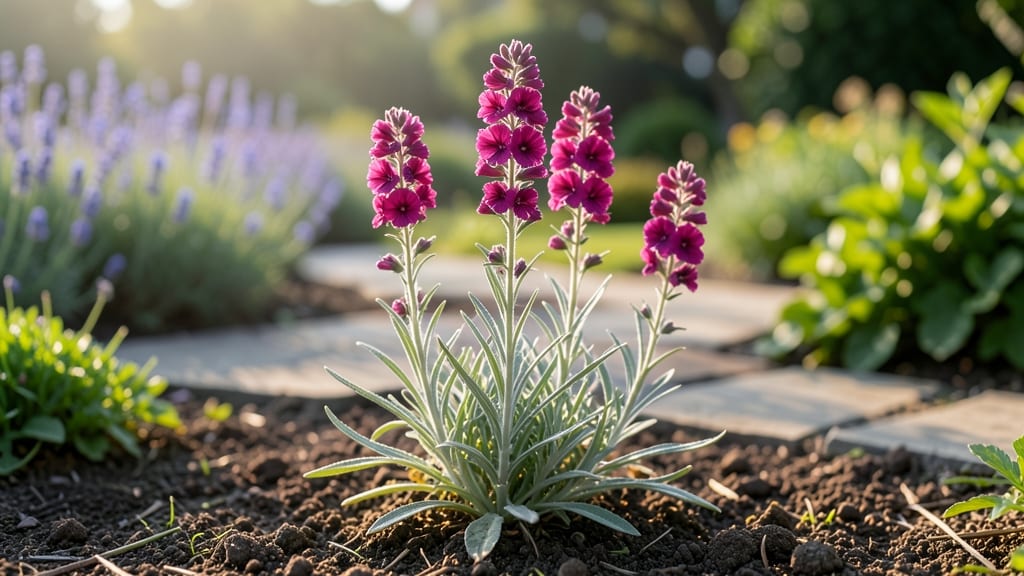
Growing stock flowers as perennials means fragrant blooms that return every year without replanting—my garden's secret weapon for effortless beauty. 🌿 These hardy plants thrive in cool climates, producing clusters of sweetly scented flowers from late spring to fall, with some varieties blooming twice.
The key is treating them like the resilient survivors they are, not delicate annuals. They love full sun to partial shade and well-draining soil, but don't stress about perfect conditions—they'll still bloom even in less-than-ideal spots.
My stock plants in zone 5 have naturalized beautifully, spreading each year with minimal care. The fragrance alone makes them worth growing, but the self-sustaining nature is what truly transforms your garden. Once established, these perennials need little more than occasional deadheading to keep flowering.
They handle drought surprisingly well and even improve with age, getting bushier and more prolific. The trade-off? Some varieties may need winter protection in colder zones, but that's a small price for years of reliable blooms. Perfect for cottage gardens, pollinator-friendly spaces, or even container growing.
Here's how to make them thrive in your yard—no annual replanting required!
📚 In This Guide
- What you need
- Instructions
- Tips and common mistakes
- Wrapping up and next steps
What you need
- ● Stock flower seeds or young plants: Choose Matthiola incana (perennial varieties like ‘Giant Snowball’ or ‘Perfume Delight’). Buy 5–10 seeds or 3–5 nursery plants for a small patch.
- ● Well-draining potting mix or garden soil: A 5-gallon bag of high-quality, organic-rich mix (e.g., 60% compost, 30% garden soil, 10% perlite).
- ● Containers or garden bed: For containers: 5–7-inch diameter pots (1 per plant) with drainage holes.
- ● For in-ground planting: A sunny, well-drained spot (6+ hours of sunlight daily) with loose, rocky soil (stocks hate soggy roots!).
- ● Slow-release fertilizer: A 10–20 lb bag of balanced 10-10-10 or organic compost (like worm castings).
- ● Watering can or hose with a gentle spray nozzle: Stocks need consistent moisture but hate heavy watering.
- ● Hand trowel ($5–$10) for transplanting.
- ● Pruning shears ($8–$15) for deadheading.
- ● pH testing kit ($10–$20) to ensure soil is 6.5–7.0 (stocks prefer slightly alkaline soil).
- ● Mulch (straw or shredded bark, 2–3 cubic feet) to retain moisture.
- ● Garden gloves ($3–$8) for protection.
How to establish stock flowers as perennial stunners
Here’s the method I’ve used to turn stock flowers from seasonal splashes into year-round garden anchors—no replanting required.
🌱 Step 1: Select the Right Stock Variety for Your Climate
Not all stock flowers thrive as perennials—choose hardy varieties like Matthiola longipetala ‘Giant Mixed’ or M. incana ‘Perfume Delight,’ which survive winters in zones 5-9 with proper care. Check your USDA zone and pick a cultivar bred for cold tolerance; tender varieties like M. bicornis won’t make it through freeze-thaw cycles.
I always verify with local nurseries or extension services before buying. Stock flowers need well-drained soil—if your area has heavy clay, amend with 20% perlite or coarse sand to prevent root rot. The key is matching the plant’s native resilience to your growing conditions.
☀️ Step 2: Plant in Late Summer for Root Establishment
Timing is everything: plant 6-8 weeks before your first frost (typically late August to early September in most regions). This gives roots time to establish before winter. Dig holes twice as wide as the root ball but only as deep—stock flowers hate being buried too deep.
Space plants 12-18 inches apart in full sun (6+ hours daily). If your site gets afternoon shade, choose shorter varieties like ‘Tom Thumb’—taller types will flop. Water deeply after planting to eliminate air pockets, then let the soil dry slightly before watering again.
💧 Step 3: Mulch and Protect Through First Winter
Apply 3-4 inches of organic mulch (straw or shredded leaves) around the base, keeping it 2 inches away from stems to prevent rot. This insulates roots while allowing moisture to penetrate. In zones below 6, add a lightweight row cover or burlap wrap around individual plants for extra frost protection.
I’ve learned the hard way that skipping mulch leads to heaving—when soil freezes and thaws, roots lift out of the ground. Water sparingly in late fall (just enough to keep soil from drying completely), then let nature take over. By spring, established plants will push through with vibrant, sturdy growth.
✂️ Step 4: Prune and Feed for Year-Round Blooms
After the first flush of spring blooms fades, deadhead spent flowers to redirect energy into foliage and root growth. In early summer, apply a balanced 10-10-10 fertilizer (½ cup per 4-square-foot area) to encourage robust regrowth. Stock flowers are light feeders—over-fertilizing leads to lush leaves but fewer blooms.
Cut back one-third of the tallest stems in late summer to promote compact, bushier growth for next year. This also prevents the leggy habit that weakens perennial stock over time. Watch for aphids on new growth—spray with neem oil at the first sign to avoid systemic infestations.
🪴 Step 5: Divide Every 3-4 Years to Rejuvenate
Perennial stock flowers decline after 3-4 years as roots crowd. In early spring, dig up clumps and separate at the crown with a clean, sharp spade. Replant the strongest divisions immediately, discarding any with soft, mushy centers (a sign of rot). This refreshes blooms and prevents disease buildup in the soil.
I divide mine every late February or March—just as new shoots emerge. The divisions take root faster than seedlings and bloom within 6-8 weeks of replanting. Save the extras for friends or swap with neighbors to keep your garden thriving without annual replanting.
Tips & tricks for perfect stock flower perennials
These garden secrets will help your stock flowers thrive year after year with minimal effort.
Climate Matching: When selecting varieties like Matthiola longipetala 'Giant Mixed', verify your USDA zone—hardy types need to survive winter temperatures in zones 5-9. I always cross-reference with local extension services to avoid tender varieties that won't make it through freeze-thaw cycles. The right cultivar makes all the difference between seasonal blooms and perennial stunners.
Planting Precision: The 6-8 week window before your first frost is non-negotiable for root establishment. Use a garden calculator to pinpoint your exact dates—late August to early September works for most regions. Dig holes twice as wide but only as deep as the root ball; stock flowers resent being buried too deeply. This careful placement prevents future heaving during freeze-thaw cycles.
Winter Protection Strategy: That 3-4 inch layer of organic mulch (straw or shredded leaves) is your best defense against winter damage. Keep it 2 inches away from stems to prevent rot—this is where most gardeners go wrong. For zones below 6, add lightweight row covers or burlap wraps around individual plants. I've seen firsthand how proper winter protection leads to vigorous spring regrowth.
Fertilizer Balance: The ½ cup of 10-10-10 fertilizer per 4-square-foot area in early summer is just the right amount—stock flowers are light feeders. Over-fertilizing creates lush foliage but fewer blooms. I always apply it after the first flush of spring blooms fades, redirecting energy back into root and foliage growth rather than seed production.
Pro Tips for Stock Flower Perennial
- These garden secrets will help your stock flowers thrive year after year with minimal effort.
- Climate Matching: When selecting varieties like Matthiola longipetala 'Giant Mixed', verify your USDA zone—hardy types need to survive winter temperatures in zones 5-9.
- Planting Precision: The 6-8 week window before your first frost is non-negotiable for root establishment.
Frequently asked questions
Got questions about stock flower perennials? You’re not alone—these beauties are full of surprises! Here are some of the most common queries to help you grow with confidence.
Are stock flower perennials really low-maintenance?
Once established, stock flowers (like Matthiola longipetala) thrive with minimal care. They’re drought-tolerant, self-seed easily, and often return year after year with little to no replanting. Just ensure they have well-draining soil and full sun—then sit back and enjoy their fragrant blooms!
How long does it take for stock flowers to bloom after planting?
Patience pays off! Stock flowers typically take 60–90 days to bloom from seed, depending on your climate. If you’re planting established perennials, expect flowers in 4–6 weeks. For faster results, opt for transplants instead of seeds. Pro tip: Deadhead spent blooms to encourage more flowers!
Can I grow stock flowers in containers or only in gardens?
Great news—stock flowers thrive in containers! Choose a pot at least 12 inches deep with drainage holes, and use well-draining potting mix. Just ensure the container gets 6+ hours of sunlight daily. Dwarf varieties (like ‘Tom Thumb’) are perfect for balconies or patios!
What pests or diseases should I watch for with stock flowers?
Stock flowers are generally pest-resistant, but keep an eye out for aphids, cabbage worms, or powdery mildew in humid conditions. To prevent issues, space plants properly for airflow and water at the base (not overhead). A light spray of neem oil can deter pests naturally.
Do stock flowers survive winter, or should I replant every year?
In USDA Zones 7–10, stock flowers are true perennials and return yearly. In colder zones (3–6), they’re often grown as annuals or treated as tender perennials—mulch heavily in fall to protect roots. If frost kills them, they’ll self-seed in spring!
Wrapping up and next steps
Transforming your garden into a self-sustaining paradise with stock flower perennials is easier—and more rewarding—than you think! These hardy beauties thrive with minimal effort, offering year-after-year color while saving you time and money.
Whether you’re a seasoned gardener or just starting out, stock perennials are your ticket to low-maintenance, high-impact blooms that keep giving.
Ready to dive in? Start small—pick one or two varieties that suit your climate and soil, then expand as you gain confidence. Before you know it, your garden will be bursting with life, all while you relax and enjoy the fruits of your labor! 🌸