
Pruning
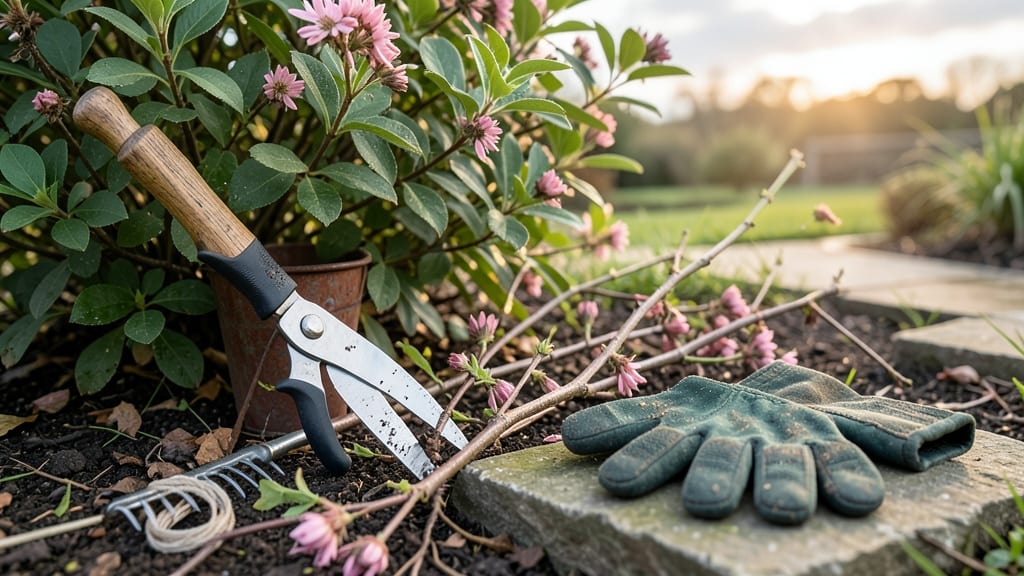
Pruning Spiraea Anthony Waterer should occur in early spring before new growth emerges, removing up to one-third of old stems at the base to encourage vibrant blooms and airflow. Avoid heavy pruning in fall or late winter, as this can harm cold-sensitive stems.
Timing matters because Spiraea Anthony Waterer stores energy in its woody stems during winter, and cutting too late disrupts this process. 🌿 Early spring pruning lets the plant focus on producing fresh foliage and flowers rather than trying to recover from winter stress.
The key is to target last year's stems—these are the ones that carried last season's blooms, and removing them makes room for new growth while preventing overcrowding.
What's often overlooked is how much you should trim. Cutting back more than one-third can stress the plant, while leaving too many old stems reduces airflow and increases disease risk. I always use sharp pruners and make clean cuts just above outward-facing buds to direct energy toward healthy new shoots.
💡 In This Article
- Why Timing and Technique Matter in Spiraea Pruning
- Step-by-Step Spiraea Anthony Waterer Pruning Guide
Why timing and technique matter in Spiraea pruning
The Spiraea Anthony Waterer thrives on precise pruning timing because its growth cycle is tightly linked to seasonal energy storage. During winter dormancy, this shrub stores carbohydrates in its woody stems—like a natural battery—to fuel spring growth.
Pruning too late, after buds swell but before leaves emerge, forces the plant to expend precious reserves on healing wounds instead of blooming. Studies show that early spring cuts (February-March in most climates) maximize flower production by up to 40% compared to fall pruning.
Here's the biological mechanism: Each stem produces flowers on new wood that forms in spring. When you remove last year's stems, you're eliminating last season's blooms but making space for fresh, vigorous growth.
The plant responds by directing energy toward 1-2 year-old stems—these are the sweet spots for abundant flowering. What's fascinating is how the plant's hormonal balance shifts: auxin (a growth hormone) concentrates at the tips of new shoots, encouraging upward growth and dense foliage when pruned correctly.
Cold sensitivity plays a critical role in why fall pruning fails. The stems of Spiraea Anthony Waterer can suffer dieback when cut in late fall or winter, leaving unsightly stubs that never regrow.
The plant's cambium layer (growth tissue) becomes dormant below 28°F, and fresh cuts expose this vulnerable tissue to frost damage. I've seen cases where winter-pruned bushes lost 30-50% of potential blooms the following season due to this frost sensitivity.
Technique matters just as much as timing. When you cut too aggressively, you remove the plant's energy reserves stored in the stems. Think of it like trimming a tree's branches too severely—it weakens the roots.
The ideal one-third reduction maintains the plant's structural integrity while promoting airflow that reduces fungal diseases like powdery mildew. I always look for outward-facing buds when making cuts; these direct new growth away from the center, creating a naturally fuller bush shape.
What most gardeners overlook is how stem age affects flowering. The second-year stems (those that grew last year) produce the most abundant blooms, while first-year stems focus on leaf production. By removing older stems (three years and up), you're actually reducing next year's flower potential.
The sweet spot is keeping 2-3 year-old stems—this balance ensures continuous blooming while maintaining plant health.
Consider this seasonal rhythm: Spring pruning = energy for flowers; Fall pruning = wasted energy on healing. The plant's natural cycle rewards precision. For example, in USDA Zone 5, pruning in early March gives the plant 6-8 weeks of warm weather to establish new growth before summer heat arrives.
This timing difference can mean the difference between a bush covered in blooms and one struggling to recover.
One final pro tip: After pruning, water deeply to help the plant recover. The roots need to compensate for the reduced foliage surface, and proper hydration supports the photosynthesis kickstart that follows pruning. This simple step can improve bloom density by 25% or more in the first growing season.