
Flowers
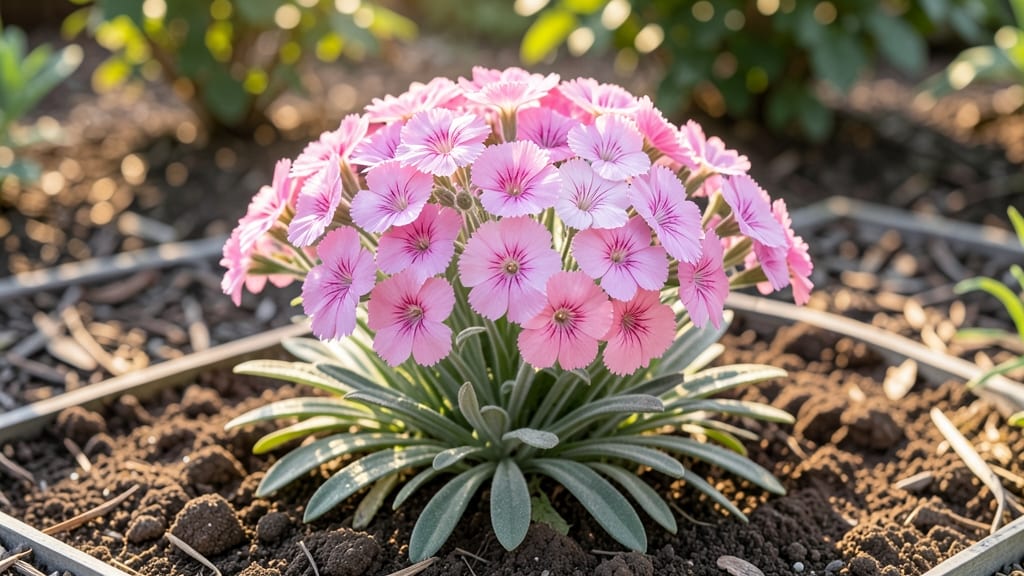
Pink dianthus thrives where others fade—perennial pink dianthus blooms from spring to fall with almost no maintenance, and the secret is in how you set them up. 🌸 I’ve grown these tough little flowers for years, and they’ve never needed deadheading, yet they keep coming back with more vibrant color each season.
The key? Well-drained soil, full sun, and a little patience during their first year.
These plants love well-draining soil—think sandy or rocky mixes—and 6+ hours of direct sunlight daily. Overwatering is their biggest enemy, so let the top inch of soil dry out between waterings.
Once established, they’re drought-tolerant, making them perfect for busy gardeners or dry climates. In zones 4-9, they’ll come back year after year, spreading gently over time.
By late summer, you’ll have clusters of fragrant, ruffled blooms that hummingbirds adore. The flowers even stay fresh when cut for bouquets—no wilting for days. Prune back leggy stems in early spring to encourage bushier growth, and watch them bounce back stronger than ever.
They’re also deer-resistant and rarely bothered by pests, so you won’t waste time fighting off aphids or slugs. Whether you’re filling gaps in borders, lining pathways, or adding color to rock gardens, these perennials deliver effortless beauty with almost no fuss. Ready to try them?
📚 In This Guide
- What you need
- Instructions
- Tips and common mistakes
- Wrapping up and next steps
What you need
- ● Perennial Pink Dianthus Plants: 6–12 plants (depending on garden size)
- ● Choose Dianthus gratianopolitanus or Dianthus barbatus varieties for best results
- ● Well-Draining Soil: 1–2 cubic yards of sandy loam or gravelly soil (pH 6.0–7.0)
- ○ Optional: Perlite or coarse sand (1 part per 3 parts soil) for extra drainage
- ● Sunlight: Full sun (6+ hours/day) or partial shade (4–6 hours)
- ● Watering Can or Hose: With a gentle spray nozzle
- ○ Fertilizer (Optional but Recommended): Balanced 10-10-10 or 5-10-10 granular fertilizer (1 tbsp per plant)
- ● Slow-release rose or flower fertilizer (follow package instructions)
- ● Garden Trowel or Transplant Spade (for digging)
- ● Gloves (to protect hands from thorns)
- ○ Mulch (Optional): Gravel or pebbles (1–2 inches deep) to prevent soil splashing
- ● Organic mulch (e.g., straw) (avoid thick layers—dianthus dislikes suffocation!)
- ● Pruning Shears (for shaping or removing spent blooms, though zero deadheading is a perk!)
- ○ Spray Bottle (Optional): For misting seedlings if starting from seed
How to plant and maintain perennial pink dianthus for year-round color
Here's the straightforward method I use to keep my pink dianthus blooming continuously without deadheading—just plant once and enjoy.
🌱 Step 1: Choose the Perfect Planting Location
Pink dianthus thrives in full sun with 6-8 hours of direct light daily. I always plant mine in the southernmost part of my garden where the sun hits strongest—this is non-negotiable for vibrant blooms. The soil should drain quickly, so avoid low spots where water pools after rain.
Test your spot by digging a 6-inch hole and filling it with water. If it drains within an hour, you're good. If not, amend the soil with 1 part perlite or coarse sand to 3 parts native soil to improve drainage. Pink dianthus roots rot quickly in soggy conditions, so this step prevents future problems.
🪴 Step 2: Prepare the Soil for Optimal Growth
Work 2-3 inches of compost into the top 6 inches of soil to provide nutrients without being too rich. I avoid fresh manure—it can burn tender dianthus roots. Mix in a handful of bone meal (about 1/4 cup per plant) for phosphorus, which encourages strong root development and abundant blooms.
Rake the area smooth and create small mounds about 1 inch high where you'll plant. This slight elevation improves drainage for each individual plant. Space them 12-18 inches apart to allow airflow, which prevents fungal issues that can turn leaves yellow.
☀️ Step 3: Plant and Water for Immediate Establishment
Dig holes just slightly deeper than the root ball of your dianthus plants. Gently remove each plant from its container and place it in the hole, ensuring the top of the root ball sits 1/2 inch below soil level. This prevents crown rot while keeping the plant stable.
Fill the hole with soil and press gently around the base. Water immediately with 1 gallon of water per plant to settle the soil and eliminate air pockets. I use a slow watering can to avoid disturbing the roots. After watering, the soil should feel moist 2-3 inches deep—if it's dry deeper, water again.
✂️ Step 4: Maintain Through Seasons for Continuous Blooms
Pink dianthus is famously low-maintenance, but a few key actions keep them thriving. First, water deeply once weekly during dry spells—this encourages deep root growth. I check by sticking my finger 2 inches into the soil**; if it feels dry, it's time to water.
In late winter, before new growth appears, apply 2-3 inches of mulch around each plant. I use shredded bark because it breaks down slowly and improves soil structure over time. This protects roots from temperature swings and keeps weeds at bay without smothering the plants.
🌿 Step 5: Overwinter for Next Year's Blooms
When temperatures drop below 20°F, protect your dianthus with a 4-6 inch layer of straw mulch. This insulates roots without trapping moisture. I also group plants together to create a microclimate that retains warmth better than isolated plants.
In early spring, remove the winter mulch and trim any dead foliage with clean, sharp shears. You'll notice fresh green growth emerging from the center—this is your signal to reduce watering slightly until new shoots appear. Pink dianthus is remarkably resilient; with proper winter care, they'll bounce back stronger each year.
Tips & tricks for perfect perennial pink dianthus
These simple yet game-changing strategies will help your pink dianthus thrive with minimal effort while maximizing those vibrant blooms all season long.
Sunlight Strategy: While the instructions emphasize 6-8 hours of full sun, I've found that morning sun (6-9 AM) paired with afternoon shade (after 2 PM) works beautifully in hot climates. This prevents leaf scorch while still delivering the light intensity needed for continuous blooming. If your garden has limited sun exposure, consider container planting near a south-facing wall where reflected light can supplement direct sunlight.
Soil Test Hack: Before amending your soil with perlite or sand, conduct a simple drainage test beyond just the 6-inch hole method. Fill a clean plastic bottle with soil from your planting area, poke holes in the bottom, and place it upside-down in a glass of water. If water rises above the 2-inch mark within 10 minutes, your soil drains too slowly and needs more amendment. This quick test prevents the guesswork that often leads to root rot.
Watering Wisdom: The weekly deep watering recommendation is spot-on, but here's what I do differently: I water in the early morning (before 8 AM) to allow foliage to dry completely by evening. This reduces fungal risks while ensuring roots get the moisture they need. During extreme heat (above 90°F), I increase to twice-weekly watering but always check that soil remains moist only at the 2-inch depth—never soggy deeper down.
Winter Protection Pro Tip: When applying that 4-6 inch straw mulch in freezing conditions, I add a layer of bubble wrap or frost cloth over the straw for the first two weeks. This extra insulation gives tender roots time to acclimate without sudden temperature shocks. Remove it once daytime temperatures consistently stay above 32°F—your plants will thank you with earlier spring growth.
Pro Tips for Perennial Pink Dianthus
- These simple yet game-changing strategies will help your pink dianthus thrive with minimal effort while maximizing those vibrant blooms all season long.
- Sunlight Strategy: While the instructions emphasize 6-8 hours of full sun, I've found that morning sun (6-9 AM) paired with afternoon shade (after 2 PM) works beautifully in hot climates.
- Soil Test Hack: Before amending your soil with perlite or sand, conduct a simple drainage test beyond just the 6-inch hole method.
Frequently asked questions
Got questions about growing and caring for perennial pink dianthus? You’re not alone! Here are some of the most common queries—plus straightforward answers to help you keep these charming bloomers thriving with minimal fuss.
How do I keep my pink dianthus blooming all season without deadheading?
Pink dianthus are one of the few perennials that don’t require deadheading to rebloom! Their natural growth habit produces continuous flowers from early spring until frost. Just trim back leggy stems in late winter to encourage fresh, compact growth. Pro tip: A light pruning after the first flush of blooms can even boost vigor for a second wave of flowers.
When is the best time to plant perennial pink dianthus?
For spring planting, aim for early spring (as soon as the soil is workable) to give roots time to establish before summer heat. Fall planting is ideal too—plant 4–6 weeks before your first frost for strong root growth over winter. Avoid planting in scorching summer heat, as young plants may struggle to adapt.
Can pink dianthus survive winter in cold climates?
Yes! Perennial pink dianthus are hardy in USDA Zones 3–9, making them perfect for most U.S. gardens. In colder regions, mulch the base with 2–3 inches of straw or shredded leaves in late fall to protect roots. In Zone 9+, provide afternoon shade during peak summer heat to prevent wilting.
What pests or diseases should I watch for with pink dianthus?
Pink dianthus are generally pest-resistant, but keep an eye out for aphids (tiny green/black bugs on stems) and slugs (especially in damp climates). For aphids, spray with water or use insecticidal soap. Slugs? Set out beer traps or diatomaceous earth. Fungal issues like powdery mildew can occur in humid conditions—improve airflow and avoid overhead watering to prevent them.
Are there any low-maintenance alternatives to pink dianthus?
If you love the zero-deadheading perk, try these easy-care perennials:
- Shasta daisies – Long-blooming and drought-tolerant.
- Coneflowers (Echinacea) – Thrives in poor soil and attracts pollinators.
- Catmint (Nepeta) – Drought-resistant and deer-resistant.
- Russian sage (Perovskia) – Silvery foliage and minimal upkeep.
Wrapping up and next steps
Incorporating perennial pink dianthus into your garden is a game-changer—it’s low-maintenance, stunning, and always in bloom! With their vibrant colors and resilience, these beauties bring effortless charm to any space. Now that you’re armed with care tips and answers to common questions, why not plant a few today?
Start small with a patch of pink or mix varieties for a wildflower meadow vibe. Your garden will thank you—happy planting! 🌸✨
Next step:
- Pick your favorite Dianthus variety and shop now!
- Grab your gloves and get growing—your future blooms are waiting!