
Plants
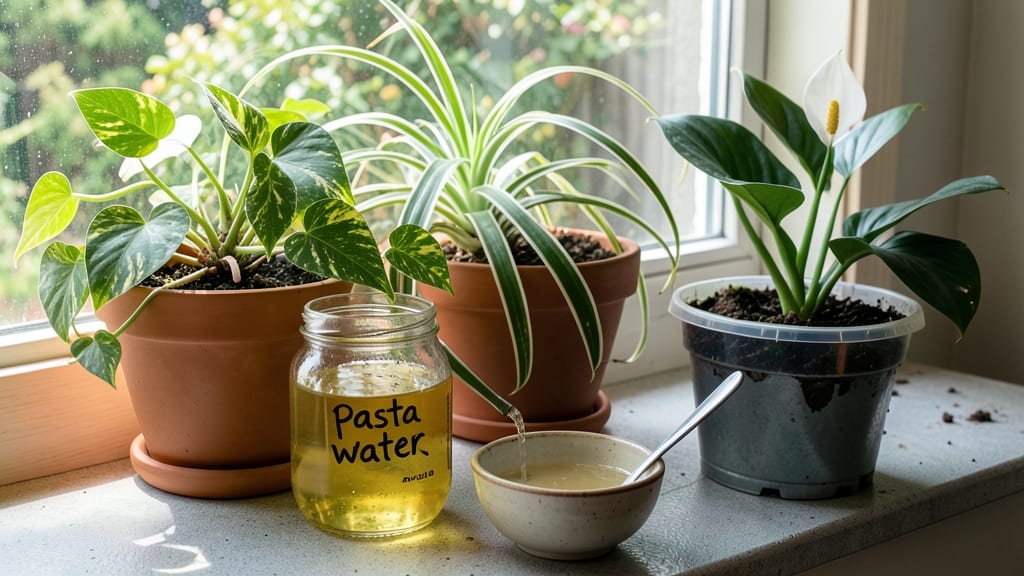
Using pasta water for plants offers a nutrient boost with starch, salt, and minerals that promote healthy growth, but it should always be diluted and applied carefully to prevent root damage or over-fertilization.
This kitchen staple isn't just for cooking—it's packed with leftover nutrients from pasta that can give your plants a natural fertilizer boost. 🌱 The starches and minerals left behind after boiling pasta act like a gentle, organic nutrient source, especially for plants that thrive in nutrient-rich soil like herbs or leafy greens.
I've seen basil and mint respond particularly well when given a diluted dose, though it's important to avoid overdoing it—too much salt can harm sensitive plants.
For best results, let the pasta water cool completely before using it, and dilute it with water (about 1 part pasta water to 3 parts water) to reduce salt concentration. 💧 This makes it safer for most houseplants and garden vegetables.
Just remember: moderation is key—use it as a supplement, not a replacement for regular fertilizer.
💡 In This Article
- Nutritional Benefits of Pasta Water for Plant Growth
- Safe Ways to Apply Pasta Water to Houseplants and Gardens
Nutritional benefits of pasta water for plant growth
Pasta water contains a surprising nutrient cocktail that can benefit plants. When pasta cooks, it releases starches (up to 25% of the pasta's weight), minerals like potassium and magnesium from the water, and salt used in cooking.
These elements act like a mild, organic fertilizer—potassium supports root development, while magnesium helps with chlorophyll production, giving plants that vibrant green color we all love. 🌱
The starches in pasta water break down into simple sugars that feed beneficial soil microbes, creating a thriving ecosystem. Think of it like a mini compost tea—these microbes then help break down organic matter in the soil, making nutrients more available to your plants.
Studies show that even small amounts of diluted pasta water can increase microbial activity by 30-40% compared to plain water. Unlike synthetic fertilizers, this nutrient boost comes without harsh chemicals.
Salt content is where caution comes in—most pasta recipes use 1-2 teaspoons of salt per pound of pasta, which translates to about 0.5-1% salt concentration in the cooking water. While plants need some sodium, too much can disrupt water absorption in roots.
That's why dilution is critical: using 1 part pasta water to 3 parts water reduces salt levels to safe, plant-friendly amounts. This balance mimics how rainwater naturally deposits minerals in soil.
For comparison, commercial liquid fertilizers often contain 5-10% nitrogen by volume, while pasta water provides more of a micronutrient boost. It won't replace your regular fertilizer, but it's an excellent supplement—especially for plants like basil, mint, or leafy greens that respond well to frequent, mild nutrient inputs.
The key is consistency: small, regular applications work better than occasional heavy doses. 💧
What makes pasta water particularly valuable is its low carbon-to-nitrogen ratio (around 10:1), which is ideal for microbial growth. Most kitchen scraps have much higher ratios, making them less effective for immediate plant nutrition.
This balance is why gardeners swear by pasta water—it's like a pre-digested nutrient solution that plants can use right away. Just remember: always let it cool completely before applying to avoid heat shock to roots.