
Pests and Diseases
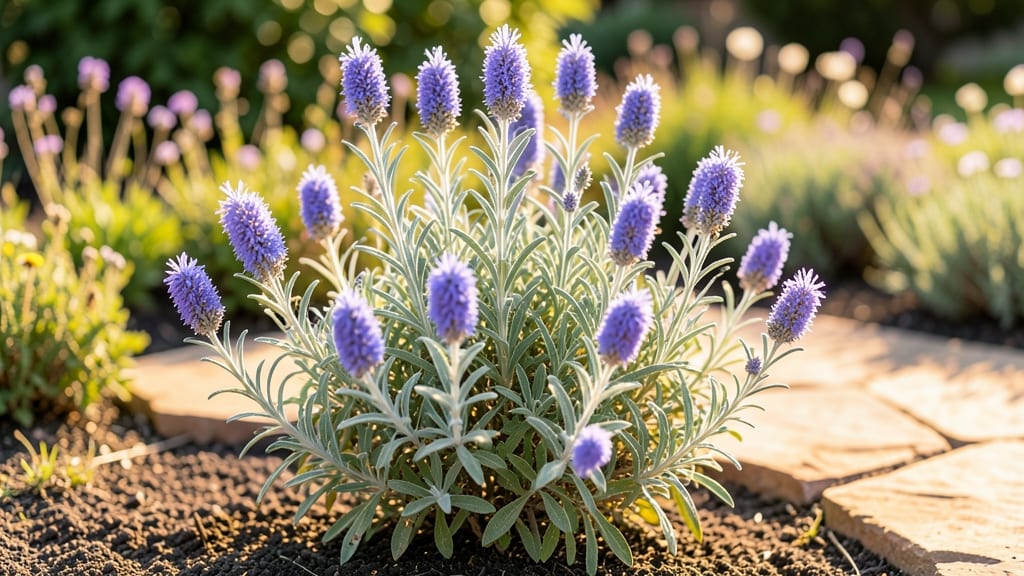
Texas sage is a perennial shrub that sheds its leaves in winter but returns with fresh growth each spring, thanks to its deep root system and drought-resistant nature. While it may appear dormant in cold climates, it reliably rebounds when temperatures warm, making it a resilient choice for low-maintenance gardens.
Texas sage's perennial nature means it survives year after year, unlike annuals that complete their lifecycle in one season. 🌿 The key to its resilience lies in its ability to enter a dormant state during cold months, conserving energy in its roots while the above-ground stems brown and appear dead.
This adaptation allows it to thrive in USDA zones 7-11, where it naturally experiences seasonal dieback before bursting back to life in spring.
What sets Texas sage apart is its semi-evergreen behavior—while not as cold-hardy as true evergreens, it retains some foliage in mild winters, adding year-round interest to landscapes. The plant's hardiness extends beyond temperature tolerance; its drought resistance makes it ideal for water-conscious gardeners in warm climates.
For those in colder regions, strategic care like mulching and late-winter pruning can significantly improve survival rates. The plant's ability to regenerate from its root system ensures it remains a favorite among gardeners seeking both beauty and durability.
💡 In This Article
- How Texas Sage Survives Winter Dieback
- Caring for Texas Sage in Cold Climates
How Texas sage survives winter dieback
Texas sage (Leucophyllum frutescens) survives winter through a clever semi-evergreen adaptation that balances leaf retention with cold tolerance. Unlike true evergreens like boxwood (Buxus sempervirens), which maintain green foliage year-round, Texas sage enters a partial dormancy.
Its leaves contain specialized cells that reduce water loss and prevent freezing damage, while the plant shifts energy storage to its extensive root system—often extending 3-5 feet deep—where it can access moisture even in dry winters.
The physiological trigger for dormancy occurs when nighttime temperatures drop below 40°F (4°C) for extended periods. At this point, the plant's chlorophyll breaks down, causing leaves to turn brown and drop, but the woody stems remain alive. This process, called abscission, conserves energy while protecting vital structures.
What's fascinating is how Texas sage can retain some green foliage in mild winters (USDA zones 8-11), giving it that prized semi-evergreen look, while still preparing for potential cold snaps.
Root resilience is the secret weapon. Texas sage's deep taproot system stores carbohydrates and water, fueling regrowth when spring temperatures rise above 50°F (10°C). Studies show these roots can remain viable even after stems appear completely dead, as long as the root crown stays protected.
This explains why Texas sage often "comes back from the dead"—literally—after severe freezes that might kill shallower-rooted plants.
Temperature fluctuations play a critical role in leaf retention vs. dieback. In zones 7-8, where winters dip below 15°F (-9°C), Texas sage typically loses all foliage but survives. However, in microclimates with warmer winter temperatures (like near south-facing walls), you might see patches of green leaves persisting through winter.
The plant's ability to "read" these temperature cues makes it more adaptable than true evergreens, which often suffer needle burn in similar conditions.
What sets Texas sage apart from other semi-evergreens is its drought-induced flowering response. When stressed by dry conditions—whether seasonal or from winter dieback—the plant produces its signature purple blooms as a survival strategy.
This dual adaptation (cold tolerance + drought resilience) explains why Texas sage thrives in both desert landscapes and coastal gardens where winter rains might occur.
For comparison, boxwood maintains its evergreen status through specialized needle-like leaves that reduce water loss, but this comes at the cost of cold sensitivity. Texas sage's broader temperature tolerance makes it the more versatile choice for gardeners seeking year-round interest without the high-maintenance care of true evergreens.