
Flowers
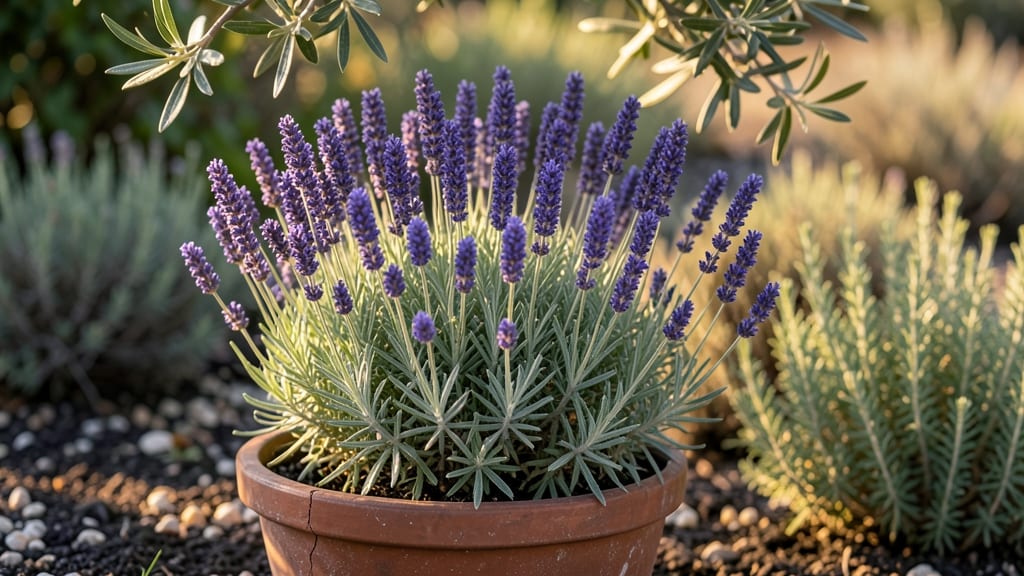
Spanish lavender is indeed a perennial, meaning it returns each year after its above-ground growth dies back in winter, relying on its robust root system to regrow annually in USDA zones 5-9.
This hardy plant stores energy underground during cold months, allowing it to rebound stronger in spring. 🌱 Unlike annual lavenders that complete their life cycle in one season, Spanish lavender's deep root network acts like a built-in survival mechanism.
I've seen it bounce back even after heavy frosts, though proper winter protection—like mulching or windbreaks—helps it thrive in colder climates.
What sets Spanish lavender apart is its ability to handle dieback without losing its established root structure. This makes it low-maintenance compared to other perennials, as long as you provide basic care during its dormant phase.
For gardeners in marginal zones, adding a thick layer of mulch or moving potted plants to sheltered spots can make all the difference.
💡 In This Article
- How Spanish Lavender’s Root System Ensures Regrowth
- Winter Care Tips to Protect Spanish Lavender
How Spanish lavender’s root system ensures regrowth
Spanish lavender's survival strategy hinges on its woody, deep-tapping root system that extends 2-3 feet below the soil surface. Unlike true annual lavenders (like Lavandula angustifolia), which have shallow, fibrous roots, Spanish lavender (Lavandula stoechas) develops a thick, lignified root crown that stores carbohydrates and nutrients.
This underground network acts like a natural battery, converting sunlight energy into stored sugars during the growing season to fuel regrowth in spring.
The key mechanism is its dormancy cycle, triggered by shorter daylight hours and cooler temperatures. As frost approaches, the plant sheds its top growth while the roots remain active, absorbing moisture and storing it in specialized cells.
Studies show Spanish lavender can survive temperatures down to -10°F when roots are protected, though prolonged exposure below 15°F risks root damage. The woody stems at the base also contain anti-freeze proteins that prevent cell rupture during freezing.
What makes this system fascinating is how it contrasts with annual lavenders. Annuals complete their life cycle in one season, producing seeds before dying entirely. Spanish lavender, however, maintains its root biomass year-round, with some roots living 5-7 years or longer.
This persistence explains why established plants often return stronger each year—even after heavy pruning or winter dieback. The deeper the roots, the more resilient the plant becomes to environmental stress.
Visualize this process: In late fall, the above-ground stems turn brown and crispy, while underground, the roots continue metabolizing. By early spring, when soil temperatures reach 50°F, the root system signals new shoots to emerge.
This delayed response ensures the plant doesn't waste energy on growth when cold snaps are still possible. Gardeners in USDA zone 5 often report their Spanish lavender returning within 3-4 weeks of the last frost, proving this survival mechanism works remarkably well.
One common misconception is that all lavenders are perennials. True annual lavenders (like Lavandula intermedia) lack this root structure and must be replanted yearly. Spanish lavender's perennial nature comes from its Mediterranean heritage, where it evolved to handle dry summers and mild winters.
This adaptation explains why it thrives in zones 5-9—its roots can access moisture from deeper soil layers, a critical advantage during drought conditions.
For those growing Spanish lavender in containers, the root system's depth becomes even more critical. Pots with at least 12-inch depth allow roots to establish properly, while shallower containers restrict growth and reduce winter hardiness.
The root crown should sit just above the soil line—burying it too deep can cause rot, while exposing it risks freeze damage. This balance between depth and protection is what turns Spanish lavender from a seasonal plant into a reliable perennial.