
Planting
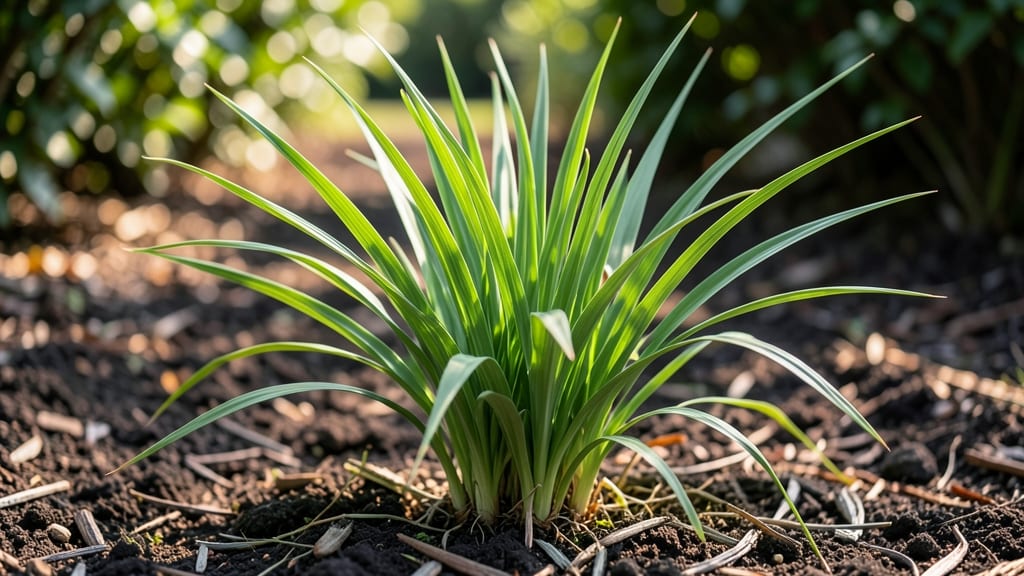
Lemongrass is not a true perennial in Zone 8—it dies back to the ground in winter but can regrow from the roots if protected from hard freezes, though it often requires replanting annually in colder microclimates.
Lemongrass originates from tropical climates, so its sensitivity to cold explains why it behaves more like an annual in Zone 8. 🌱 The plant’s growth slows dramatically when temperatures dip below 50°F, and hard freezes (20°F or lower) will kill it back to the soil line.
While the roots can sometimes survive mild winters, consistent protection—like thick mulch or container growing—boosts your chances of seeing it return in spring. Many gardeners treat it as a short-lived perennial, harvesting before winter and replanting the next season.
If you're in a colder microclimate within Zone 8, consider growing lemongrass in pots that can be moved indoors during winter. This method lets you preserve the plant and enjoy fresh stalks year-round, though it does require extra effort.
The key is balancing patience with practicality—lemongrass may not thrive as a long-term perennial, but with the right care, you can stretch its lifespan significantly.
💡 In This Article
- Why Lemongrass Struggles as a Perennial in Zone 8
- Zone 8 Overwintering Hacks for Lemongrass Survival
Why lemongrass struggles as a perennial in Zone 8
Lemongrass, scientifically known as Cymbopogon citratus, hails from tropical regions like Southeast Asia and India, where temperatures rarely drop below 60°F. This tropical heritage means its biological systems aren't equipped to handle Zone 8 winters, which can plummet to 10–20°F in colder microclimates.
The plant's growth mechanism relies on warm temperatures to maintain active photosynthesis and root development—when temps fall below 50°F, its metabolic processes slow dramatically, leading to dormancy or death.
The plant's sensitivity to cold stems from its thin, fibrous root system and lack of protective woody stems, unlike hardier perennials such as mint or ginger. 🌱 For comparison, mint (Mentha spp.) can tolerate down to 10°F with proper mulching, while ginger (Zingiber officinale) survives 20°F in sheltered conditions.
Lemongrass, however, lacks these cold-resistant adaptations, making it vulnerable to even light freezes. Its leaves also contain essential oils that can become brittle and break down in cold conditions, further weakening the plant.
What makes lemongrass particularly tricky in Zone 8 is its inconsistent response to winter. While the roots may survive in milder winters (above 25°F), the crown—where new growth emerges—often succumbs to frost.
This inconsistency means that even if the plant appears dead, the roots might still be viable, but they require precise conditions to regrow. The plant's inability to store sufficient energy reserves for cold survival further complicates its perennial status in this zone.
Another critical factor is the plant's growth cycle. Lemongrass typically reaches maturity in 6–8 months, producing new shoots from the base. However, in Zone 8, the growing season is often too short to allow the plant to establish a robust root system before winter sets in.
This leaves it vulnerable to temperature fluctuations that can occur even within a single season, making it behave more like an annual than a perennial.
To put it into perspective, consider how lemongrass compares to other tropical plants in Zone 8. For example, banana plants (Musa spp.) also die back in winter but can regrow from the rhizomes if protected.
Lemongrass, however, lacks this resilience due to its more delicate root structure and higher sensitivity to cold stress. This is why gardeners often treat it as a short-lived perennial or even an annual in colder parts of the zone.
The botanical reality is that lemongrass isn't hardwired for perennial survival in Zone 8's climate. Its tropical origins demand consistent warmth, and while it can adapt to some extent, the winter conditions in this zone push it to its biological limits.
Understanding this helps explain why many gardeners opt for annual replanting rather than risking winter dieback.