
Shrubs
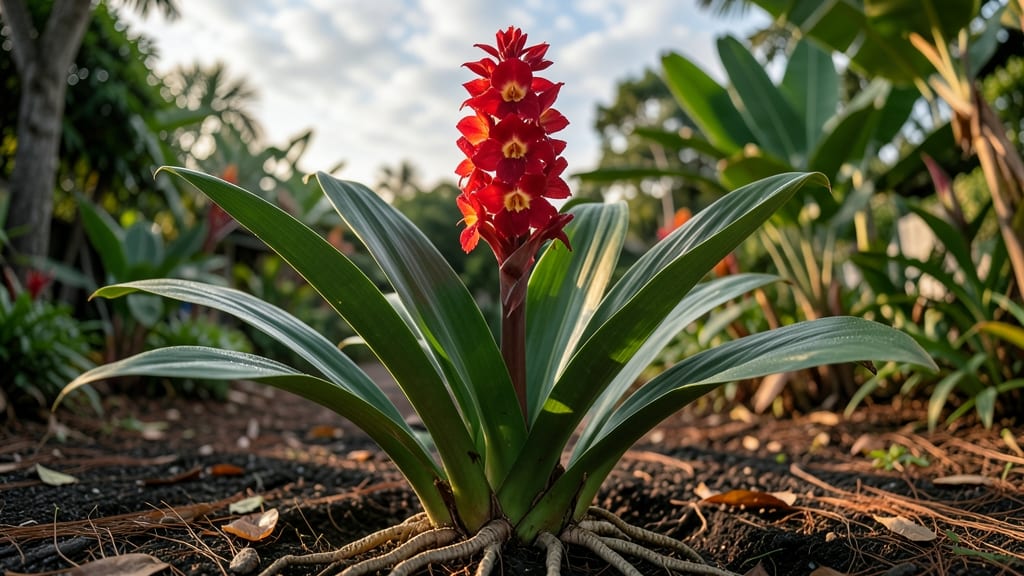
Yes, flowering ginger is a perennial that dies back to the ground each winter but regrows from its rhizomes yearly, thriving in USDA zones 8-11 with proper winter protection in colder climates.
Flowering ginger's perennial nature comes from its underground rhizomes, which store nutrients and energy during dormancy. 🌱 Unlike annuals that complete their life cycle in one season, this plant survives by entering a resting phase when temperatures drop.
The rhizomes act like natural batteries, allowing the plant to push new shoots when conditions warm again. This makes it perfect for gardeners in mild climates who want vibrant blooms year after year with minimal effort.
What sets flowering ginger apart is its ability to handle winter dieback while still returning stronger each spring. In colder zones, gardeners can extend its hardiness by adding mulch or protective coverings.
The key is understanding when to cut back foliage—typically after frost—to prevent rot while preserving the rhizomes for next season's growth.
💡 In This Article
- How Flowering Ginger Rhizomes Survive Winter Dormancy
- Best Winter Care Tips for Year-Round Flowering Ginger Growth
How flowering ginger rhizomes survive winter dormancy
Flowering ginger's perennial survival hinges on its specialized underground rhizomes, which function like a built-in energy reserve system. These thick, horizontal stems store carbohydrates, proteins, and water during dormancy—similar to how potatoes store nutrients in their tubers.
When temperatures drop below 50°F, the plant triggers a hormonal shift that halts above-ground growth and redirects resources to the rhizomes. This process, called vernalization, prepares the plant for winter while maintaining cellular integrity at temperatures as low as 20°F with proper protection.
The rhizomes' survival mechanism involves a natural antifreeze-like compound called proline, an amino acid that protects cell membranes from freezing damage.
This is why flowering ginger can tolerate brief frost exposure in zones 8-10 without dying—its cells remain flexible and hydrated. 🌱 What's fascinating is how these rhizomes also contain meristematic cells, undifferentiated cells that can rapidly divide when spring warmth triggers growth hormones like gibberellins.
This dual system explains why flowering ginger often returns with more vigor each year, even after complete foliage dieback.
Temperature plays a crucial role in this cycle. In zones 8-11, flowering ginger naturally enters dormancy when nighttime temperatures consistently stay below 55°F for 2-3 weeks. The rhizomes then remain dormant until soil temperatures reach 60°F in spring, which signals the plant to resume growth.
This precise temperature sensitivity is why gardeners in warmer climates sometimes see multiple blooming cycles per year—the plant responds to seasonal cues rather than fixed calendar dates.
One often-overlooked factor is the rhizomes' ability to regulate oxygen uptake during dormancy. Their thick, waxy skin reduces moisture loss while allowing controlled gas exchange, preventing suffocation even when buried.
This adaptation explains why flowering ginger thrives in both well-drained garden beds and containers—its rhizomes can handle temporary waterlogging better than many perennials. The trade-off is that they need 6-8 hours of sunlight daily during active growth to build sufficient energy reserves for winter survival.
For gardeners in colder zones (7 and below), the rhizomes' survival becomes more challenging. Without protection, temperatures below 20°F can cause irreversible cell damage.
This is where the plant's secondary dormancy response kicks in—if the rhizome senses prolonged cold stress, it enters a deeper protective state by converting stored sugars into glycogen-like compounds that act as cellular insulation. However, this only buys time; proper winter care becomes essential for reliable regrowth.
Consider this comparison: A flowering ginger rhizome weighs roughly 1-3 ounces when mature and contains enough stored energy to produce 3-5 new shoots in spring.
This efficiency explains why gardeners often divide established clumps every 3-4 years—the rhizomes naturally produce offsets that can be replanted, ensuring a steady supply of flowering plants. The plant's ability to reallocate resources between storage and growth makes it one of the most resilient perennials for tropical climates.
What most gardeners don't realize is that flowering ginger's dormancy isn't just about survival—it's a strategic reset. The winter period allows the rhizomes to reorganize their cellular structure, repairing any minor damage from the previous growing season.
This biological "spring cleaning" ensures the plant emerges with fresh, undamaged tissue ready for maximum bloom production. 🌸 The result? Year after year of vibrant, low-maintenance flowers that require minimal intervention beyond proper winter protection.