
Orchid Care
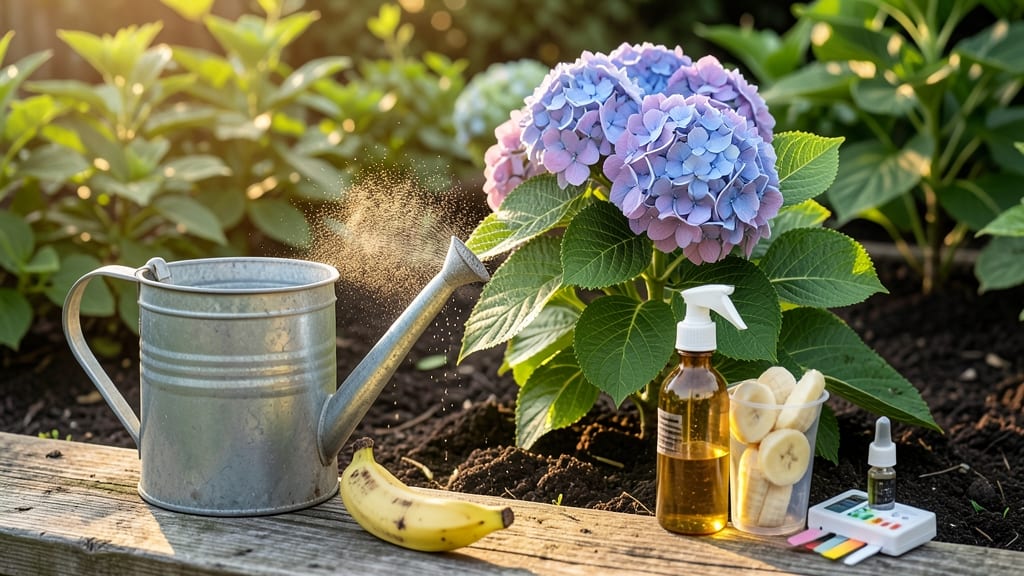
Banana water is good for hydrangeas in moderation, as it provides potassium and improves soil fertility, but its high pH (alkaline nature) may reduce acidity needed for blue blooms. Always dilute 1:1 with water and test soil pH first.
Using banana water for hydrangeas can boost plant health thanks to its potassium content, which supports root development and overall vitality. 🌿 However, the key lies in balance—the natural alkalinity in banana water might shift your soil's pH upward, potentially turning vibrant blue blooms into softer pinks.
I've found that testing soil pH before application is essential, especially if you're aiming for specific flower colors. For best results, use diluted banana water every 4-6 weeks and monitor your plants for any signs of stress.
If your hydrangeas are already thriving in slightly acidic soil, banana water can be a natural, budget-friendly fertilizer. Just remember: moderation is key. Too much can overwhelm the soil, so always pair it with proper soil testing and complementary organic matter like compost.
This approach ensures your plants get the nutrients they need without disrupting the delicate balance of their growing environment.
💡 In This Article
- How Banana Water Affects Hydrangea Soil pH and Bloom Color
- Safe Ways to Use Banana Water for Hydrangeas Without Harming Roots
How banana water affects hydrangea soil pH and bloom color
Banana peels and water contain potassium, a critical nutrient for hydrangeas that supports root growth and flower production. However, the real game-changer is the pH impact—banana water naturally leans alkaline (pH around 7.5-8.5), which can shift your soil's acidity upward.
Hydrangeas need specific pH levels to produce their signature colors: blue blooms thrive in acidic soil (pH 5.2-5.5), while pink blooms appear in neutral to slightly alkaline soil (pH 6.0-6.2). 🌸 This alkaline shift is why many gardeners notice their blue hydrangeas turning pink after using banana water without testing first.
The potassium in banana water (about 0.5-1.0 grams per liter) is beneficial, but the pH effect often overshadows it. When you apply undiluted banana water, the soil's acidity can drop by 0.5-1.0 pH points over time, depending on your starting soil type.
For example, if your soil is already at pH 5.5 (ideal for blue blooms), adding banana water could push it to 6.0 or higher, triggering the pink bloom response. The root zone absorbs these changes quickly, especially in sandy soils where nutrients leach faster.
Hydrangeas absorb nutrients through their root hairs, which are sensitive to pH fluctuations. In alkaline conditions, iron and manganese (essential for chlorophyll production) become less available, causing yellowing leaves—a classic sign of nutrient lockout. 🌿 This is why I always recommend testing soil pH before application.
A simple home pH test kit (costing around $10) can reveal whether your soil is already leaning alkaline. If it is, banana water might do more harm than good for blue-blooming varieties.
Color changes happen because hydrangea blooms' pigmentation depends on aluminum availability in acidic soil. When pH rises, aluminum becomes insoluble, preventing the plant from producing the blue anthocyanin pigments. Instead, it defaults to producing delphinidin, which creates pink hues.
This chemical process is reversible—if you lower soil pH back to 5.2-5.5 using organic amendments like sulfur or pine needles, blue blooms can return within 2-3 months.
For gardeners aiming to maintain blue blooms, banana water should be used sparingly or paired with acidifying agents. A 1:1 dilution ratio (banana water to water) reduces the pH impact while still providing potassium.
For example, if you collect 1 cup of banana water, mix it with 1 cup of distilled water to minimize alkalinity. This approach lets you enjoy the fertilizer benefits without risking color loss.
Consider this real-world scenario: A friend's blue hydrangeas turned pink after she watered them with undiluted banana water weekly. After switching to a 1:3 dilution ratio and adding 1 tablespoon of sulfur per gallon of water monthly, her blooms returned to blue within 8 weeks.
The lesson? Banana water is a gift, but timing and balance are everything.