
How To
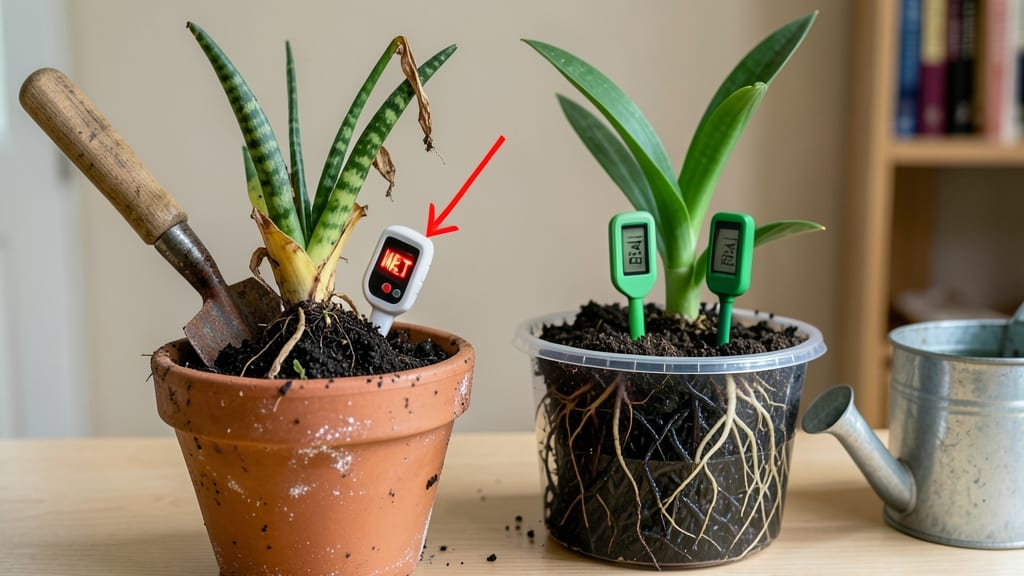
To tell if a plant is overwatered, check for yellowing leaves with brown edges, mushy stems, wilting despite wet soil, or root rot smells. Overwatering suffocates roots by cutting off oxygen, leading to these distress signals within days of excess moisture.
Overwatering creates a suffocating environment for roots, preventing them from accessing the oxygen they need to thrive. 🌱 When soil stays too damp for too long, beneficial microbes struggle, and harmful bacteria or fungi take over, causing that classic foul odor.
I've seen even the hardiest plants—like snake plants or pothos—succumb to this within a week if left unchecked. The key is to let the top inch of soil dry out completely between waterings, especially in containers where drainage is critical.
One telltale sign many gardeners miss is leaf discoloration—not just yellowing, but the way the edges turn crispy brown while the center stays green. This "iron chlorosis" look happens when roots can't absorb nutrients properly.
For houseplants, I recommend the "finger test": stick your finger an inch into the soil—if it feels damp, wait another day before watering. This simple habit has saved countless plants in my collection!
💡 In This Article
- Root Rot and Oxygen Deprivation: The Science of Overwatered Plants
- 5 Immediate Actions to Save an Overwatered Houseplant
Root rot and oxygen deprivation: the science of overwatered plants
When soil stays saturated for more than 24-48 hours, roots suffocate because water fills the air pockets they need for oxygen. This creates anaerobic conditions where roots can't respire properly—think of it like drowning at a cellular level.
The plant's natural defense system triggers, but without oxygen, roots start breaking down. 🌱 This is when fungal pathogens like Phytophthora or bacterial invaders move in, accelerating decay. Even hardy plants like ferns or calatheas can't escape this cycle if their roots stay waterlogged.
The first visible sign of this stress is blackened, mushy roots that crumble when touched—a far cry from healthy white or tan roots. Under the soil surface, you might notice a foul, sour odor similar to rotten eggs or wet newspaper, caused by sulfur compounds released during anaerobic breakdown.
Compare this to well-aerated soil, which smells fresh and earthy—almost like a forest floor after rain. The texture difference is dramatic too: healthy roots feel firm, while overwatered roots collapse like overcooked pasta.
Soil aeration plays a crucial role here.
Sandy soils drain quickly, allowing oxygen to reach roots, while clay soils hold water like a sponge, creating the perfect storm for rot. Perlite or vermiculite added to potting mixes creates those vital air pockets, but even they fail if water isn't allowed to evaporate.
I've seen container gardens where the bottom 10% of roots rot first because water pools at the drainage holes—this is why elevating pots and using saucers with drainage holes matters.
What most people don't realize is how quickly this process happens. Within 3-5 days of consistent overwatering, root cells start dying off. The plant then signals distress through above-ground symptoms like wilting or yellowing leaves—its way of saying, "Help, my roots can't breathe!"
This is why the "finger test" works: if the soil feels damp more than an inch down, you're likely creating that suffocating environment. 💧 For tropical plants like peace lilies, this means adjusting from weekly waterings to every 10-14 days.
The science gets even more interesting when you consider how plants "scream" for help. Overwatered plants often develop edema—blistered, swollen leaves—because they can't transpire water fast enough. This is your plant's last-ditch effort to expel excess moisture through its leaves.
The blisters start small but can grow to 1/4-inch bumps, making leaves look like they've been attacked by tiny water balloons. This symptom is your clearest sign that the roots are drowning.
Here's a quick comparison to help you spot the difference:
- Healthy roots: White/tan, firm, branching like fingers
- Overwatered roots: Black/brown, mushy, smell foul
- Healthy soil: Light, crumbly, smells earthy
- Overwatered soil: Heavy, compacted, smells sour
Remember, even drought-tolerant plants like succulents need proper drainage—they're adapted to arid conditions, not waterlogged ones.
The key is balance: let the soil dry out enough that roots can breathe, but not so much that the plant wilts from thirst. 🌿 This middle ground is where plants thrive, and where you'll see the most dramatic turnarounds in recovery.